Key takeaways
- Valve compression and smooth action without noise or sluggishness.
- Dents, solder joints and cracks, especially around the bell and leadpipe.
- Slides that move freely without leaks.
- Corrosion inside the leadpipe, which may signal poor care. Cleaning and hygiene are important with any used mouthpiece.
- Repair history and whether a technician has serviced the instrument.
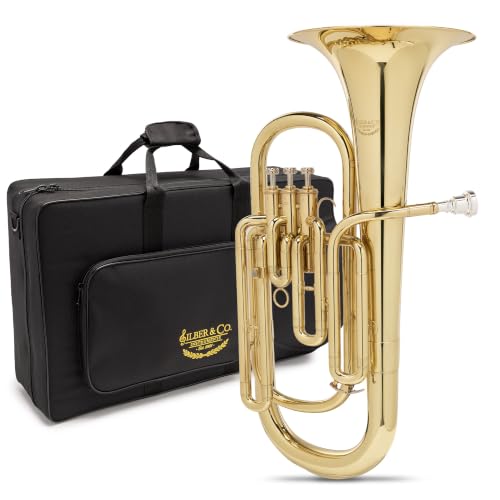
For a student or returning player who wants a reliable baritone horn, a Yamaha YBH-301 or a Jupiter student model suits most buyers; for advancing players who want a richer tone and better response, a Yamaha YBH-621 or a Besson-style professional horn is the step up. The baritone horn is a three-valve brass instrument pitched in B-flat, commonly used in brass bands, concert bands and school ensembles, and the best purchase usually comes down to budget, playing level and where you plan to play.
Our top picks


As an Amazon Associate we earn from qualifying purchases at no extra cost to you.
Baritone Horns at a Glance
| Model or brand | Best for | Key stated points | Limits |
|---|---|---|---|
| Yamaha YBH-301 | Students and beginners | Maker positions it as a student model with durable construction and a lacquered finish | Tone is simpler than that of advanced horns |
| Yamaha YBH-621 | Advancing and serious players | Maker lists it as an intermediate to advanced model with a larger tone profile | Mid to premium tier; heavier |
| Jupiter JBR700 series | School bands, budget to mid-range | Maker positions it as a student or step-up model | Resale and finish quality vary by version |
| Besson (Prestige and Sovereign style models) | Brass band players | Maker lists compensating valve options and traditional British design | Premium tier; compensating systems add maintenance |
| Wessex and Eastman-type student horns | Budget-conscious buyers | Maker lists student-focused designs at lower cost | Fit and finish vary, and support varies |
| Used or rental horns | Trial and growing students | Lower upfront cost | Condition and valve wear must be inspected |
Baritone Horn Basics
The baritone horn has a conical bore, three valves and a sound that sits between the trombone and the tuba in range. It is often confused with the euphonium. In general, the baritone horn has a narrower bore and a lighter, more compact build, while the euphonium has a wider bore, a fuller sound and often a fourth valve. In some bands, players use both; in many school settings, the euphonium is more common in concert bands and the baritone in brass bands.
Before you buy, check which instrument your ensemble or teacher expects. A band director can say whether a baritone horn or euphonium fits the ensemble, and whether the music is in bass clef or treble clef.
What to Look For
Bore and Bell Size
Makers list the bore size and bell diameter. A larger bore gives a darker, fuller sound but takes more air. Smaller bores respond more quickly and suit younger players. Student horns generally balance both.
Valves
Valves should feel smooth and move without sticking. Piston valves are standard on most baritones. Compensating systems, found on some professional models, improve intonation in the low register. They add cost, complexity and sometimes weight.
Finish
Lacquer is common on student horns and is easier to keep looking clean. Silver plating is common on higher-end instruments and is said by some makers to change the tone slightly. Both need care, but lacquer is generally more forgiving.
Weight and Ergonomics
Younger players should try the horn on for size. Some models are heavy and awkward for small frames. Check the maker’s listed weight where available and ask about shoulder support options.
Case and Mouthpiece
Most new horns include a case and a basic mouthpiece. A teacher may recommend a different mouthpiece as playing improves. Cases differ in protection and comfort, so check that the case suits how you travel.
Budget, Mid-Range and Premium Tiers
Budget baritone horns are suitable for beginners who may switch instruments later, but the finish, valve action and intonation can be less consistent. Mid-range horns from established brands such as Yamaha and Jupiter generally offer better build, a more even response and better resale. Premium models from Yamaha’s intermediate and professional lines or from Besson offer a more refined tone and tight valves, suiting serious players and those who play in demanding ensembles.
Rental is a sensible route for children who are not yet sure about continuing. Many music stores offer rental-to-own programs, so you can try the horn before buying.
Used Horns
A used horn can offer good value, but inspection matters. Ask a teacher or technician to check these points:
- Valve compression and smooth action without noise or sluggishness.
- Dents, solder joints and cracks, especially around the bell and leadpipe.
- Slides that move freely without leaks.
- Corrosion inside the leadpipe, which may signal poor care. Cleaning and hygiene are important with any used mouthpiece.
- Repair history and whether a technician has serviced the instrument.
Care and Maintenance
- Oil valves with valve oil regularly and keep slides greased as your teacher advises.
- Empty water from the instrument after playing and wipe it with a soft cloth.
- Clean the mouthpiece and body periodically with lukewarm water and mild soap; avoid hot water that can damage lacquer.
- Store the horn in its case, and keep it away from heat and direct sunlight.
- Have it checked by a technician yearly, especially after heavy use.
Pick X If You Want This
| Pick this | If you |
|---|---|
| Yamaha YBH-301 | are a student who wants a dependable first horn |
| Jupiter student model | want a school-band option at a mid-range budget |
| Yamaha YBH-621 | are progressing and want improved tone and response |
| Besson-style horn | play in a brass band and want a traditional professional instrument |
| Rental or used horn | are unsure about continuing or have a limited budget |
Alternatives to Consider
A euphonium suits players who prefer a larger sound, a fourth valve and wider ensemble use in concert bands. A trombone suits those who like slide playing and already read bass clef. A tenor horn or a trumpet suits younger players with small frames who want to start smaller. Ask your teacher which instrument fits your music.
Buying Checklist and Common Mistakes
A common mistake is buying a horn before confirming which instrument the ensemble wants. Brass bands often use baritones in treble clef, while school bands may ask for a euphonium in bass clef, and mixing them up leads to expensive returns. Ask the director first, and bring any list of approved models to the shop.
Another mistake is judging only by price. A cheaper horn with sticky valves or poor intonation frustrates beginners and can slow progress, so a short trial with a teacher present is valuable. If you buy online, check the return policy and ask whether the seller inspects and adjusts instruments before shipping.
Consider insurance as well. Brass instruments are easily dented, and a student carrying one on a bus or walking to rehearsal runs a real risk. Many music retailers and household insurers offer cover for instruments, and rental agreements often include repair terms. Finally, budget for accessories: valve oil, slide grease, a cleaning snake, a mute and a music stand are small purchases that add up, and a good case protects the main investment.
Reading Maker Descriptions
Brass listings often highlight bore size, bell diameter, valve material, finish and the number of valves. Bore and bell numbers help compare instruments from one maker, but they do not directly translate into sound across brands because leadpipe design, bracing and tubing taper also shape tone. Words such as professional or step-up usually reflect the maker’s own ladder of models, so compare instruments within a brand’s range rather than assuming equal rank across brands. Reviewers and teachers frequently stress playing the instrument over reading specifications, so when possible, try more than one horn with the same mouthpiece, and note differences in response, intonation and comfort. Ask the seller what is included, such as case, mouthpiece and warranty terms.
Frequently Asked Questions
What is the difference between a baritone horn and a euphonium?
The euphonium generally has a wider bore, a larger bell and often a fourth valve, while the baritone is narrower and lighter. Both are B-flat instruments with a conical bore. The choice depends on your ensemble and tone preference.
Which baritone horn is best for beginners?
Student models such as the Yamaha YBH-301 and Jupiter’s student horns are common starting points. Look for smooth valves and a durable finish. A teacher or band director can confirm which suits your ensemble.
Should I rent or buy?
Rent if you are unsure about continuing or are buying for a child who may grow out of the instrument. Buy once you are committed, ideally after a teacher has checked the horn. Many shops apply rental fees toward a purchase.
Is a compensating baritone worth it?
Compensating systems improve intonation in the low register, which matters for advanced brass band playing. They add weight and maintenance. Beginners usually do not need one.
How much maintenance does a baritone horn need?
Regular valve oiling, slide greasing, cleaning and drying keep it in good condition. A yearly technician check is a common recommendation. Follow the maker’s manual for details.
What mouthpiece should I use?
Start with the mouthpiece supplied with the horn unless your teacher advises otherwise. As you progress, a different size may improve comfort or tone. Always clean the mouthpiece regularly and do not share it without sanitising.
FAQ
What is the difference between a baritone horn and a euphonium?
Which baritone horn is best for beginners?
Should I rent or buy?
Is a compensating baritone worth it?
How much maintenance does a baritone horn need?
What mouthpiece should I use?
More from Amazon
Programs that pair well with the guide above. Offers and eligibility are set by Amazon and may change.
Free shipping on eligible items, Prime Video and more. Eligible new members can start with a free trial.
Start a Prime free trialAudiobooks and podcasts to listen to on the go. Eligible new members can start with a free trial.
Try Audible freeAd-free music streaming. Eligible new subscribers can start with a free trial.
Try Music Unlimited freeA free business account with business pricing and bulk-buying tools for work, shop or home office.
Create a business accountAs an Amazon Associate we earn from qualifying purchases.