Key takeaways
- Above a sofa: Leave several inches between the furniture and the bottom of the art.
- In a stairwell or hallway: Choose slimmer or lighter pieces to avoid snagging.
- In a bathroom or kitchen: Use pieces with coatings that resist humidity.
The best metal wall art for most homes is a piece sized to about two-thirds of the wall space above your furniture, finished for the room it hangs in, and mounted with hardware rated for its weight, while outdoor buyers should look for powder-coated or weather-rated steel and apartment dwellers can choose lighter aluminum or layered laser-cut panels. Decide on size, finish, and mounting first, then pick a style that suits the room.
Our top picks
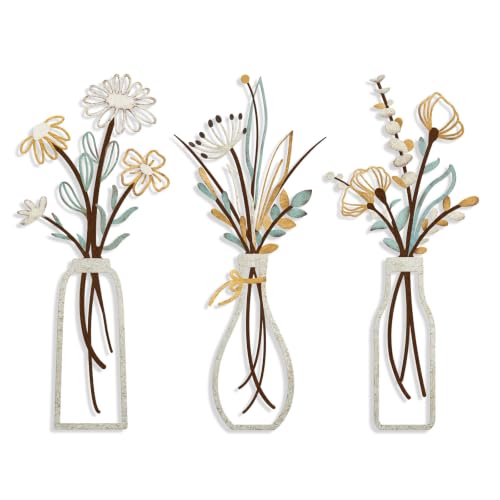


As an Amazon Associate we earn from qualifying purchases at no extra cost to you.
At a Glance: Metal Wall Art Types Compared
| Type | Best for | Typical features | Limits |
|---|---|---|---|
| Laser-cut steel panels | Modern living rooms, entryways | Makers list flat steel cut into patterns, often powder-coated | Can be heavy; edges need careful handling |
| Layered or 3D metal sculptures | Statement walls above sofas or beds | Multi-piece designs with depth and shadow | Assembly and exact spacing take patience |
| Brushed or printed aluminum art | Offices, kitchens, light-weight installs | Photographic or abstract images printed on aluminum panels | Glare under strong light; less textured than sculpted metal |
| Rustic or reclaimed-style metal | Farmhouse, cabin, industrial decor | Weathered finishes and worn textures | Finish can vary between pieces |
| Outdoor metal wall decor | Patios, fences, garden walls | Weather-rated coatings listed by maker | Needs sturdier mounting and periodic cleaning |
| Metal sun and mirror-style pieces | Entryways and dining areas | Round forms in gold or black finishes | Lighter coatings can show scratches |
Size and Placement
Interior designers commonly suggest that art above a sofa, bed, or console should span roughly two-thirds of the furniture width. A piece that is too small looks lost, while one that is too large can overwhelm the room. Hang the center of the artwork at about eye level, typically around 57 to 60 inches from the floor, though exact heights depend on the room and ceiling. For groupings, lay the pieces on the floor first to confirm spacing, and keep consistent gaps between panels.
- Above a sofa: Leave several inches between the furniture and the bottom of the art.
- In a stairwell or hallway: Choose slimmer or lighter pieces to avoid snagging.
- In a bathroom or kitchen: Use pieces with coatings that resist humidity.
Materials and Finishes
Steel is strong and often used for laser-cut and sculptural pieces; makers typically apply powder coating, paint, or a sealed patina to protect it. Aluminum is lighter and resists rust, which makes it popular for printed art and lighter installations. Iron pieces can look rustic but may need sealing in damp spaces. Brass, copper, and gold-toned finishes add warmth but can show fingerprints. Read the maker’s finish description: it indicates whether the piece is meant for indoor use only or can face weather.
Finishes also influence upkeep. Matte black hides dust and fingerprints well. Polished and mirrored surfaces show every smudge. Pieces with deep texture can collect dust in crevices, so plan for periodic dusting with a soft dry cloth.
Weight and Mounting
Metal is heavy. Makers usually specify weight and recommend suitable mounting hardware. For plasterboard walls, use anchors rated for the load, and for heavier pieces, locate studs. If a piece comes with a hanging bracket or keyhole slots, make sure it matches the mounting plan. If you are renting, consider adhesive hanging systems only if the maker’s weight limit for those systems is clearly higher than the piece weight, and ask a qualified installer if unsure.
Multi-piece art needs careful alignment. Use a level and a paper template to mark mounting points. Take care when handling sharp edges on laser-cut pieces, and wear gloves if the maker advises it.
Picks by Need
Best for a statement wall: layered 3D metal sculpture sets
Multi-piece layered designs create shadow lines and depth. Brands that sell these include Wall Sculptures-style sellers and metal-art specialists such as Hobby Lobby-style decor lines and independent makers. Makers list dimensions and weight, so confirm that the full set fits the wall.
Best for modern interiors: laser-cut steel panels
Flat panels with geometric or botanical patterns suit minimalist rooms. Powder-coated black or bronze finishes are common. They are typically lighter than sculptures but still need secure hanging hardware.
Best for offices and kitchens: printed aluminum art
Aluminum panels with printed images are lighter and easy to wipe clean. They suit spaces that need low maintenance, though some surfaces reflect glare under bright lights.
Best for rustic spaces: weathered or reclaimed-look metal
Distressed finishes suit farmhouse and cabin decor. Since finishes vary piece to piece, treat the product photos as a guide rather than an exact match.
Best for outdoors: weather-rated powder-coated pieces
For patios and garden walls, look for makers who specify outdoor use and a durable coating. Even then, wipe pieces periodically and inspect mounting hardware for rust.
Budget Tiers and Trade-offs
| Tier | What you typically get | Trade-off |
|---|---|---|
| Budget | Thin stamped or lightweight metal with basic finishes | Can dent or scratch more easily; less detail |
| Mid-range | Laser-cut steel or aluminum with powder-coated finishes | Heavier pieces need solid mounting |
| Premium | Handcrafted or artist-made pieces, thicker metal, custom sizing | Higher cost tier and longer lead times |
Pick X If You Want Y
| Pick this | If you want |
|---|---|
| Layered 3D sculpture | A bold focal point with depth |
| Laser-cut steel panel | Clean modern lines and strong contrast |
| Printed aluminum | A lighter, wipe-clean image |
| Rustic metal | A farmhouse or cabin feel |
| Outdoor-rated piece | Decor for a patio or fence |
| Metal sun or mirror piece | An entryway accent |
Alternatives Worth Considering
- Framed prints and canvas: These are lighter and easier to hang, and they offer wide variety.
- Wood wall art: A warmer look that suits similar styles with less weight than steel.
- Wall mirrors and tapestries: Mirrors add light and tapestries add softness and sound absorption.
Care and Safety Notes
Dust metal art with a soft, dry cloth. If the maker allows, wipe with a slightly damp cloth and dry immediately to prevent spotting. Avoid abrasive cleaners that can scratch a coating. Keep pieces away from steam sources, and inspect hanging hardware occasionally. Never hang heavy art above a bed or crib unless you are confident that the fasteners are rated and properly installed; a professional can help.
Frequently Asked Questions
How big should metal wall art be?
A common design guideline is about two-thirds of the width of the furniture beneath it. Large walls can handle bigger pieces or groupings. Lay a paper template on the wall to preview.
Is metal wall art too heavy for drywall?
It can be, depending on the piece. Use wall anchors rated for the load and find studs for heavy items. The maker’s listed weight tells you what hardware to use.
Can metal wall art go outside?
Only if the maker states that it is weather-rated. Indoor pieces may rust or lose finish outdoors. Even outdoor pieces benefit from occasional cleaning.
Will metal wall art rust in a bathroom?
Steel and iron can rust in damp rooms if the coating is damaged. Aluminum and well-coated pieces fare better. Ventilation also helps.
How do I clean metal wall art?
Dust with a dry microfiber cloth and wipe gently with a damp cloth if needed. Avoid harsh cleaners that could strip coatings. Follow the maker’s care notes.
What colors work with metal wall art?
Black and bronze suit modern rooms, gold and brass add warmth, and silver and brushed finishes feel cool and industrial. Match the finish to other metals in the room, such as lighting or hardware.
FAQ
How big should metal wall art be?
Is metal wall art too heavy for drywall?
Can metal wall art go outside?
Will metal wall art rust in a bathroom?
How do I clean metal wall art?
What colors work with metal wall art?
More from Amazon
Programs that pair well with the guide above. Offers and eligibility are set by Amazon and may change.
Free shipping on eligible items, Prime Video and more. Eligible new members can start with a free trial.
Start a Prime free trialAudiobooks and podcasts to listen to on the go. Eligible new members can start with a free trial.
Try Audible freeAd-free music streaming. Eligible new subscribers can start with a free trial.
Try Music Unlimited freeA free business account with business pricing and bulk-buying tools for work, shop or home office.
Create a business accountAs an Amazon Associate we earn from qualifying purchases.