
Best oil for air fryer choices come down to three things: a high smoke point, the flavor you want and how you apply it, not just the label. This roundup of the best oil for air fryer compares high-heat oils from avocado to canola so your food crisps up golden without smoking, and so a light coating protects both the taste and your basket.
As an Amazon Associate we earn from qualifying purchases.
Our top picks




As an Amazon Associate we earn from qualifying purchases at no extra cost to you.
By Daniel Foster
How to Choose the Best Oil for Air Fryer
The best oil for air fryer picks below span the highest-heat oils, flavorful options, neutral all-rounders and budget everyday choices, so any recipe and temperature can find a fit. The table compares the specs that decide the choice, and each pick adds the honest drawback cooks notice.

| Oil | Smoke Point | Flavor | Best For | Tier |
|---|---|---|---|---|
| Avocado oil | ~500-570F | Neutral | High-heat, steak, fries | Premium |
| Peanut oil | ~450F | Subtle nutty | Chicken, fries, Asian | Mid |
| Light olive oil | ~465F | Mild olive | Olive flavor at heat | Mid |
| Grapeseed oil | ~420F | Clean, neutral | Veggies, light proteins | Mid |
| Canola oil | ~400F | Mild | Everyday, budget | Budget |
| Refined coconut oil | ~450F | Light coconut | Tropical, baked goods | Budget |
Avocado oil — the best high-heat pick
Avocado oil is a top best oil for air fryer choice because its refined smoke point of roughly 500 degrees and above handles the hottest settings, with a neutral taste that lets seasoning shine and a high share of monounsaturated fats. It suits steak, wings and fries at 400 degrees or more.
The honest drawback is cost, which adds up for frequent air fryer users. For versatile, high-heat cooking that will not smoke at top temperatures, though, it is the standout pick. Its neutral taste also keeps spices and marinades tasting the way you intended.
Peanut oil — the flavor-and-heat pick
Peanut oil holds up to about 450 degrees and brings a subtle nutty note that pairs especially well with chicken, fries and Asian-inspired dishes. For a balance of heat tolerance and added taste, it is a flavorful high-heat pick.
The drawback is that it is a common allergen and its flavor is not neutral. For heat-stable cooking with a pleasant nutty character, though, it is an excellent choice. Households with a nut allergy should skip it and choose a neutral oil instead.
Light olive oil — the olive-flavor pick
Light or refined olive oil handles higher heat than extra virgin, at around 465 degrees, so you can get an olive character in the air fryer without burning. For recipes where you want olive flavor at frying temperatures, it is the pick.
The drawback is that it lacks the robust taste of extra virgin, which should be saved for finishing. For olive flavor that survives the heat, though, refined olive oil is the right call. Keep a bottle of extra virgin separately for drizzling over the finished dish.
Grapeseed oil — the neutral all-rounder
Grapeseed oil has a smoke point near 420 degrees, a clean neutral taste and a thin texture that spreads easily, making it a versatile all-rounder for vegetables and lighter proteins. For neutral, everyday air frying, it is a reliable pick.
The drawback is a mid-range smoke point that suits most, but not the very hottest, settings. For clean, neutral results at common air fryer temperatures, though, it is a strong choice. Its thin texture spreads in a light layer that will not weigh delicate foods down.
Canola oil — the budget everyday pick
Canola oil has a smoke point around 400 degrees, a mild flavor that will not overpower food and a budget-friendly, widely available price, making it a practical everyday option. For most standard air fryer recipes at moderate heat, it is the value pick.
The drawback is that its 400-degree smoke point is borderline for the hottest settings. For affordable, neutral results at typical temperatures, though, it does the job well. Its wide availability makes it the easiest oil to restock on a normal grocery run.
Refined coconut oil — the specialty pick
Refined coconut oil handles about 450 degrees and adds a light coconut note that complements tropical dishes and baked goods, unlike unrefined coconut oil, which smokes at a low 350 degrees. For recipes where coconut flavor fits, it is the specialty pick.
The drawback is that its flavor is not neutral and only the refined version tolerates high heat. For complementary flavor in the right dishes, though, it is a tasty option. Always check the label reads refined, since the unrefined version smokes far sooner.
What to Look For in an Air Fryer Oil
Choosing the best oil for air fryer means weighing four things beyond the brand: the decisive smoke point, how you apply it, the flavor, and the honest limits worth knowing. Work through these before you buy.
The decisive number: smoke point versus cook temp
For the best oil for air fryer, the smoke point is the key number, since it must sit above your cooking temperature. Air fryers typically run 350 to 400 degrees, so oils like canola, grapeseed and light olive suit that range, while avocado and peanut are best for 400 degrees and above.
An oil that passes its smoke point turns bitter, breaks down and leaves residue on the basket and heating element. Match the oil to the hottest temperature you cook at, and save low-smoke-point oils like extra virgin olive, flaxseed or butter for finishing dishes rather than frying. Cooking a little below an oil’s smoke point leaves a safe margin for hot spots.
How to apply it and protect the basket
Use a light coating, since too much oil causes smoking or soggy food, and apply it with a brush or a non-aerosol spray bottle filled with your oil of choice. A thin, even layer is all most foods need to crisp up golden without excess fat.
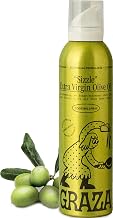
Avoid aerosol cooking sprays, since their added propellants and chemicals can damage an air fryer’s nonstick coating over time. A quick reminder: use a refillable mister designed for oil, not a canned spray, to protect the basket and keep your results clean. A fine mister also spreads far less oil than pouring, which prevents soggy food.
Flavor and matching the oil to the dish
Flavor shapes the choice: neutral oils like avocado, grapeseed and canola let seasoning lead, while peanut, refined olive and coconut add character that suits certain dishes. Pick a neutral oil for everyday cooking and a flavored one where its taste complements the food.
Match the oil to both the dish and the heat, using a high-smoke-point neutral oil for hot proteins and a milder one for delicate vegetables. Keeping one neutral high-heat oil and one flavorful option covers most air fryer cooking without a cabinet full of bottles. Storing oils away from heat and light also keeps them fresh and stable for longer.
The honest limits worth knowing
Oil improves texture and browning but is not required for every food, and using too much undermines the point of air frying. A quick reminder: a light coating of a high-smoke-point oil, applied with a mister or brush, is all most recipes need.
Air frying with a light oil coating uses far less oil than deep frying, which many see as a lighter way to cook, though results and health depend on the whole recipe. Prioritize a high smoke point and careful application over any single label, since the right oil, used sparingly, is what delivers crisp, clean results.
See More:
- Best eyeshadow blender brush
- Best frozen foods for air fryer
- Best frozen food for air fryer
- Best way to reheat steak in air fryer
- Best air fryer recipes book
The Verdict on the Best Oil for Air Fryer
The best oil for air fryer matches smoke point and flavor to your cooking: avocado oil for the hottest settings and neutral taste, peanut oil for heat plus a nutty note, grapeseed oil for a clean all-rounder, and canola oil for budget everyday use. Apply a light coating with a non-aerosol mister to protect the basket, and since prices shift with sales, confirm the live price at checkout.







Write Your Review
No reviews yet. Be the first to share your experience!