
Key takeaways
- Navigating jaw discomfort can feel overwhelming, especially with the surge of therapeutic devices flooding the wellness market in 2026. Whether you are dealing with chronic jaw fatigue, clicking, or tension from everyday stress, finding the right tool requires looking past…
What's inside
Navigating jaw discomfort can feel overwhelming, especially with the surge of therapeutic devices flooding the wellness market in 2026. Whether you are dealing with chronic jaw fatigue, clicking, or tension from everyday stress, finding the right tool requires looking past flashy marketing and focusing on clinical utility. TMJ jaw exercisers are designed to gently strengthen, stretch, or relax the masticatory muscles, but picking the wrong model can easily aggravate your symptoms rather than alleviate them.
To make an informed choice, you need to understand how different designs interact with your unique bite, jaw alignment, and pain triggers. Not all exercisers serve the same purpose; some focus on gentle myofascial release, while others provide structured resistance meant for controlled rehabilitation. This guide breaks down the critical specifications, safety factors, and design choices that actually matter when selecting a device for genuine, long-term pain relief.
As an Amazon Associate we earn from qualifying purchases at no extra cost to you. Product prices and availability are accurate as of the date shown and are subject to change.
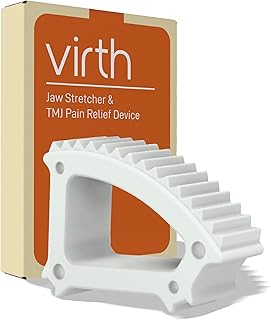
Understand Your TMJ Symptoms Before Buying
Before evaluating any jaw exerciser, you must identify the root cause of your discomfort. Temporomandibular joint disorders stem from various issues, including muscle spasms, disc displacement, or arthritic changes. If your pain is primarily driven by acute inflammation or a locked jaw, a heavy-duty resistance device will likely worsen your condition. Conversely, if your discomfort stems from muscle weakness, atrophy, or chronic clenching habits that require controlled retraining, a progressive resistance tool can be highly beneficial. Always consult a dental professional or physical therapist to pinpoint your specific trigger before purchasing a training device.
Material Safety and Food-Grade Certifications
Because a jaw exerciser spends extended periods inside your mouth under direct pressure from your teeth, material safety is non-negotiable. You should look exclusively for devices made from medical-grade, BPA-free, and phthalate-free silicone or elastomers. Cheap plastics can leach harmful chemicals or degrade quickly under repetitive biting forces, leading to micro-tears that harbor bacteria. Reputable manufacturers explicitly state their safety certifications and material testing standards. Prioritizing non-toxic, hypoallergenic materials ensures that your therapeutic routine does not introduce new health risks to your oral cavity.
Resistance Levels and Progressive Training
Effective jaw therapy relies heavily on progressive overload, meaning you should start with minimal resistance and gradually increase it as your jaw muscles adapt. Many low-quality exercisers come as a single, rigid piece that offers no customization, forcing your jaw into an unnatural range of motion right out of the box. Look for systems that offer a multi-tiered resistance kit, typically ranging from soft introductory levels up to firm conditioning levels. This tiered approach allows you to scale your workout according to your daily pain fluctuations, preventing overexertion and protecting the delicate TMJ disc from excessive strain.
Ergonomic Fit and Bite Distribution
Human jaws vary drastically in arch width, dental alignment, and bite depth. An exerciser that fits comfortably in one person’s mouth might cause uneven pressure distribution or force your jaw into an awkward lateral shift in another. The best designs feature an ergonomic, contour-fitting bite surface that evenly distributes pressure across your molars rather than concentrating all the force on your front teeth or a single localized spot. Even pressure distribution prevents dental shifting, protects tooth enamel from unnecessary wear, and ensures that the target muscles are engaged symmetrically.
Cleaning and Maintenance Practicalities
Oral hygiene is paramount when using any device that regularly enters your mouth. Saliva, bacteria, and plaque accumulate rapidly on silicone and rubber surfaces during use. When shopping for a jaw exerciser, evaluate how easy it is to clean and sterilize. Models that can be safely boiled, run through a dishwasher, or washed thoroughly with antibacterial soap and warm water save you time and prevent microbial buildup. Additionally, look for devices that come with a dedicated, ventilated storage case to keep your exerciser clean between sessions and protect it from environmental dust.
Avoiding Common Buying Mistakes
One of the most frequent mistakes buyers make is purchasing generic sports mouthguards or athletic bite pads under the assumption they act as therapeutic exercisers. Athletic guards are designed to absorb blunt impact, not to provide controlled resistance or muscle rehabilitation, and wearing them improperly can misalign your bite. Another mistake is ignoring sizing guidelines; using an exerciser that is too large forces your jaw open wider than is comfortable, triggering protective spasms in the lateral pterygoid muscles. Stick to purpose-built, adjustable therapeutic tools and always read user fitting guides carefully before your first session.
Related Guides
If you are building a comprehensive wellness routine, exploring related product categories can help manage secondary symptoms like congestion or jaw-adjacent tension. For instance, pairing your jaw therapy with options featured in our guide on the best TMJ jaw exercisers for pain relief ensures targeted muscular recovery. Additionally, upper airway and sinus pressure often exacerbate facial tension and clenching habits; you might find relief by reviewing our top picks for the best nasal saline rinse kits or exploring alternative brands in our review of nasal saline rinse kits to keep your respiratory passages clear and promote overall relaxation.
FAQ
Can a jaw exerciser cure my TMJ disorder completely?
A jaw exerciser is a management and rehabilitation tool rather than a guaranteed cure for all underlying TMJ pathologies. While it effectively strengthens weakened muscles and relieves tension, structural issues like severe disc displacement require professional medical or dental intervention.
How long should I use a jaw exerciser each day?
Most therapeutic protocols recommend starting with short sessions lasting just three to five minutes daily to gauge your muscles’ response. Overusing these devices can easily lead to muscle fatigue or acute inflammation, so always err on the side of caution.
Are jaw exercisers safe for people who grind their teeth?
If you suffer from bruxism, you should consult your dentist before using a resistance exerciser, as your jaw muscles are likely already overworked and hypertonic. Introducing more resistance can sometimes aggravate grinding habits unless paired with proper relaxation techniques.
How often should I replace my TMJ exerciser?
You should inspect your device regularly for signs of wear, tearing, or permanent deformation from your bite. Generally, silicone exercisers should be replaced every few months or sooner if you notice any structural compromise to maintain hygiene and safety.


