
Key takeaways
- Dealing with chronic congestion, allergies, or stubborn sinus pressure often leads many people to look for a reliable, drug-free solution. Nasal saline rinse kits have established themselves as a cornerstone of daily respiratory hygiene, helping to flush out microscopic irritants,…
What's inside
- Delivery Mechanism: Squeeze Bottles, Neti Pots, and Motorized Units
- Material Safety, Durability, and BPA-Free Construction
- Salt Packet Formulation: Buffered versus Unbuffered Saline
- Spout Design and Nostril Seal Compatibility
- Cleaning, Drying, and Maintenance Requirements
- Common Buying Mistakes to Avoid
- When to Spend More on Premium Kits
- Related Guides
- FAQ
Dealing with chronic congestion, allergies, or stubborn sinus pressure often leads many people to look for a reliable, drug-free solution. Nasal saline rinse kits have established themselves as a cornerstone of daily respiratory hygiene, helping to flush out microscopic irritants, pollen, dust, and excess mucus from the nasal passages. However, walking down the pharmacy aisle or browsing online storefronts reveals an overwhelming variety of options. Choices range from traditional ceramic neti pots to modern high-pressure squeeze bottles and motorized pulsatile irrigation devices, each promising optimal sinus health.
- Delivery Mechanism: Squeeze Bottles, Neti Pots, and Motorized Units
- Material Safety, Durability, and BPA-Free Construction
- Salt Packet Formulation: Buffered versus Unbuffered Saline
- Spout Design and Nostril Seal Compatibility
- Cleaning, Drying, and Maintenance Requirements
- Common Buying Mistakes to Avoid
- When to Spend More on Premium Kits
- Related Guides
- FAQ
Making the right choice requires looking past clever marketing and understanding the core mechanics that make a nasal rinse both comfortable and effective. Whether you are managing acute seasonal allergies or establishing a preventative sinus care routine for 2026, evaluating critical factors such as delivery pressure, nozzle design, and material safety will ensure you invest in a tool that suits your personal anatomy. By focusing on what truly matters rather than extra accessories, you can find a kit that delivers consistent relief without unnecessary hassle.
As an Amazon Associate we earn from qualifying purchases at no extra cost to you. Product prices and availability are accurate as of the date shown and are subject to change.
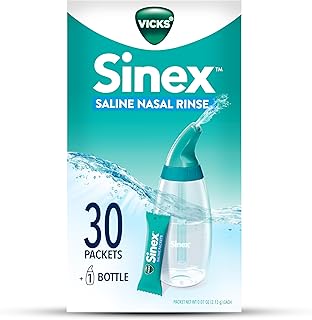
Delivery Mechanism: Squeeze Bottles, Neti Pots, and Motorized Units
The delivery mechanism is the single most important specification to evaluate when choosing a nasal saline rinse kit. Traditional neti pots rely entirely on gravity to guide the saline solution into one nostril and out the other. While gentle, they require precise head tilting and offer zero control over the flow rate. Squeeze bottles, on the other hand, allow you to manually regulate the positive pressure of the stream by squeezing the soft plastic container. This is often preferred by users who want a more thorough flush or who struggle with gravity-only methods. Motorized or battery-operated pulsatile units take this a step further by pulsing the liquid, which some users find exceptionally effective for breaking up thick, stubborn mucus, though they come at a higher price point and require regular battery changes or recharging.
Material Safety, Durability, and BPA-Free Construction
Because nasal irrigation involves introducing fluids directly into sensitive mucous membranes, the materials used to construct the rinse bottle or pot matter immensely. You should always look for kits explicitly certified as BPA-free, latex-free, and phthalate-free. Low-grade plastics can degrade over time, especially when exposed to warm water or frequent disinfecting agents, potentially leaching unwanted chemicals into your saline solution. Medical-grade silicone and high-density polyethylene are standard choices for squeeze bottles because they offer the right balance of flexibility, structural integrity, and resistance to microbial growth. For neti pots, glazed ceramic or medical-grade plastics provide smooth interior surfaces that prevent mineral and bacterial buildup.
Salt Packet Formulation: Buffered versus Unbuffered Saline
The type of salt provided in the kit greatly influences your overall comfort during the rinse. Pure, unbuffered sodium chloride can often cause a stinging or burning sensation in the delicate nasal passages because the pH is not balanced. Most quality rinse kits include pre-measured packets of pharmaceutical-grade sodium chloride and sodium bicarbonate. The baking soda acts as a buffer, neutralizing the solution’s pH to match your body’s natural fluids, which completely eliminates the sting. Additionally, look for preservative-free and iodine-free salt formulations to prevent irritation and allergic reactions, ensuring a soothing experience every time you irrigate.
Spout Design and Nostril Seal Compatibility
A poorly designed nozzle can make a nasal rinse messy, painful, or entirely ineffective. Look for kits that feature custom-designed silicone or rubber tips engineered to fit comfortably against the outer nostril without being pushed too far inside. A proper seal prevents water from leaking down your face while directing the saline flow at the correct upward and backward angle toward the nasal cavity. Some kits even offer interchangeable tips with varying widths, making it easier to accommodate different family members or sensitive nasal openings without causing micro-abrasions or pressure bruises around the rim of the nostril.
Cleaning, Drying, and Maintenance Requirements
Hygiene is non-negotiable when dealing with nasal rinse equipment, as poorly maintained bottles can easily harbor harmful bacteria or amoebas. When evaluating kits, consider how easy the interior is to access and dry. Squeeze bottles with wide mouths are significantly easier to clean with a bottle brush than narrow-necked vessels. Furthermore, check the manufacturer’s guidelines regarding sterilization; many modern bottles are top-rack dishwasher safe or can be safely microwaved for a designated duration to kill lingering pathogens. A kit that simplifies the daily drying and sanitizing process ensures you maintain a safe, sanitary routine over the long term.
Common Buying Mistakes to Avoid
One of the most frequent mistakes buyers make is purchasing a proprietary kit that locks them into buying expensive replacement salt packets from the exact same brand. Look for systems that allow you to mix your own USP-grade salt and baking soda ratios once the included packets run out, saving you significant money over time. Another common pitfall is ignoring sizing; buying a massive professional-grade irrigation bottle for daily light maintenance can be clumsy and uncomfortable. Finally, avoid kits that lack clear, illustrated instructions, as improper technique can force water into the Eustachian tubes, leading to painful ear pressure.
When to Spend More on Premium Kits
While basic neti pots and standard squeeze bottles can be purchased very affordably, certain situations justify investing in a premium kit. If you suffer from severe chronic sinusitis, post-nasal drip, or have undergone sinus surgery, spending more on a motorized pulsatile irrigation device or a kit with multi-angle directional nozzles can provide superior clearance that basic gravity cannot achieve. Premium kits also frequently include durable travel cases, anti-backflow valves that prevent contaminated water from re-entering the main reservoir, and ergonomic grips designed for individuals with arthritis or limited hand dexterity.
Related Guides
If you want to explore more options to manage your symptoms, you can check out our top nasal rinse options, read up on related comfort solutions like TMJ jaw exercisers, or browse through our tested nasal saline kits to find the exact configuration that fits your daily health routine.
FAQ
How often should I replace my nasal saline rinse bottle?
Most manufacturers recommend replacing plastic squeeze bottles and neti pots every three months to prevent bacterial buildup and material degradation. If you notice cracks, discoloration, or persistent odors that do not wash away, you should discard and replace the unit immediately.
Can I use regular table salt instead of the included packets?
You should avoid standard table salt because it often contains anti-caking agents and iodine additives that can severely irritate your sensitive nasal linings. Always use pharmaceutical-grade, pure sodium chloride or the pre-measured packets provided in your kit.
Is it safe to use tap water for my nasal rinses?
Tap water should never be used directly because it may contain low levels of microorganisms that are safe to drink but dangerous when introduced into the nasal cavity. Always use distilled, sterile, or previously boiled and cooled water to ensure a safe and infection-free irrigation process.
What causes water to get trapped in my ears after rinsing?
Water gets trapped in the ears when the squeeze pressure is too high or your head angle forces the liquid toward the Eustachian tubes. To prevent this, tilt your head forward, breathe through your mouth during the rinse, and gently blow your nose afterward without pinching the nostrils too tightly.


