
Key takeaways
- Wash before first use. Many sets recommend washing to remove manufacturing residues. Follow the care label for temperature and drying.
- Use a large machine. Oversized comforters may not clean properly in a small home washer. A laundromat’s large-capacity machine can help.
- Dry completely. Damp fill can develop odors. Tumble dry on low heat with a couple of dryer balls to restore loft, if the label allows.
- Consider a duvet cover. A cover protects the comforter and is easier to wash than the comforter itself.
- Allergies and sensitivities. Makers often describe their products as hypoallergenic, but this is a marketing description rather than a medical claim. If you have allergies or asthma, discuss bedding choices with your doctor.
- Children and infants. Follow current safe-sleep guidance from pediatric authorities, which advises against loose bedding for infants.
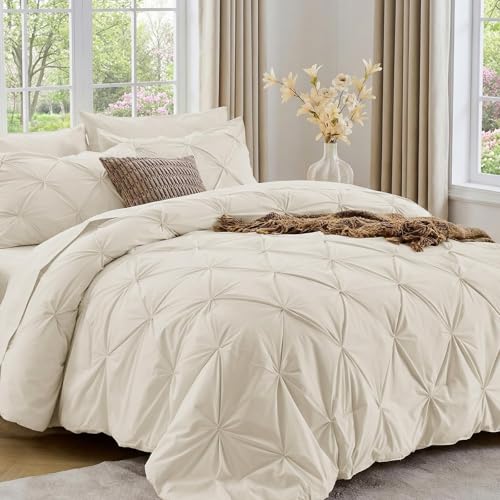
For most buyers, a mid-range microfiber or cotton-blend set from Madison Park or Bedsure covers everyday needs, Utopia Bedding suits those who want a plain budget-friendly set, Brooklinen and Parachute suit buyers who want natural-fiber, hotel-style bedding, and Nautica or Serta suit shoppers who want a coordinated, decorative look. The best choice depends on your climate, whether you sleep hot, how often you plan to wash it and which bed size you own.
Our top picks



As an Amazon Associate we earn from qualifying purchases at no extra cost to you.
Comforter Sets at a Glance
| Option | Best for | Key traits as stated by the maker | Limits |
|---|---|---|---|
| Madison Park comforter sets | Decorative, coordinated bedrooms | Polyester or cotton-blend shells with matching shams and sometimes extra pillows | Polyester fill can feel warm for hot sleepers |
| Bedsure comforter sets | Everyday budget-to-mid-range use | Microfiber shells, down-alternative fill, many colors and sizes | Microfiber is less breathable than cotton |
| Utopia Bedding comforter sets | Simple, budget-friendly basics | Down-alternative fill, plain designs, machine washable | Limited decorative options |
| Serta comforter sets | Plush, layered bed looks | Coordinated sets, often with shams and decorative pillows | Design-led; fill quality varies by line |
| Nautica comforter sets | Classic, brand-name styling | Patterned and solid sets, often cotton-rich covers | Mid-range tier; some require careful washing |
| Brooklinen / Parachute down alternative comforters | Natural-fiber, hotel-style bedding | Cotton shells, down-alternative or down fill, sold as separate pieces or bundles | Premium tier; matching sheets or covers sold separately |
What to Look for in a Comforter Set
Fill type
The fill determines warmth, weight and washability. Polyester or microfiber fill, often called down-alternative, is lightweight, usually hypoallergenic according to makers and easy to launder at home. Natural down and feather fills trap warmth with less weight but cost more and need careful care. If you are sensitive to allergens, check the maker’s materials list, and speak with a doctor if you have a medical concern about bedding.
Shell fabric and thread count
Cotton shells are generally more breathable than microfiber, which suits warmer sleepers. Microfiber is smooth and budget-friendly but can trap heat. Thread count is a rough guide only; weave and fiber quality matter as much, so rely on fabric descriptions and care instructions rather than the number alone.
Construction
Box stitching or channel stitching keeps fill from shifting into clumps. Look for baffle-box or tight quilting if you plan to wash the comforter often. Some sets use sewn-through stitching, which is cheaper but can create cold spots in down fills.
What is included
Sets vary widely. Some include only a comforter and shams, while others add bed skirts, decorative pillows and sheets. Check what is included before comparing sets, since a larger piece count does not always mean better quality.
Size and fit
Standard bed sizes include twin, full, queen and king, but mattress depths vary. If you have a deep or pillow-top mattress, check the maker’s dimensions for drop length. An oversized comforter gives more drape but needs a larger washing machine.
Detailed Notes on the Main Picks
Madison Park
Madison Park is known for coordinated decorative sets. Many bundles include a comforter, shams and sometimes a bed skirt and accent pillows. The maker uses a mix of cotton-blend and polyester fabrics across its lines. It fits buyers who want a finished look without buying pieces separately. Hot sleepers should check the fabric description for breathability.
Bedsure
Bedsure sells many microfiber comforter sets in numerous sizes and colors, typically in the budget to mid-range tier. Reviewers often cite the soft hand feel and easy care. Because microfiber retains heat, it is better for cooler bedrooms or for people who like a cozy feel.
Utopia Bedding
Utopia Bedding focuses on straightforward bedding at an approachable tier. Its down-alternative comforters are generally machine washable and come in plain colors, making them easy to pair with existing sheets. It is a practical option for guest rooms and dorms.
Serta
Serta, better known as a mattress brand, also licenses comforter sets that emphasize plush, layered looks. These are design-led and often include multiple decorative pieces. Check care labels, since decorative elements may need gentler washing.
Nautica
Nautica offers classic coastal and tailored patterns, often with cotton-rich fabrics. The sets sit in the mid-range tier and appeal to buyers who prefer a brand-name aesthetic. Verify the care instructions for washing and drying temperatures.
Brooklinen and Parachute
Both brands focus on natural-fiber, hotel-style bedding. Parachute and Brooklinen list down-alternative and down options with cotton shells, usually sold as separate comforters, covers and sheets. It sits in the premium tier but suits buyers who value breathable fabrics and a clean, minimalist look.
Care, Safety and Allergy Notes
- Wash before first use. Many sets recommend washing to remove manufacturing residues. Follow the care label for temperature and drying.
- Use a large machine. Oversized comforters may not clean properly in a small home washer. A laundromat’s large-capacity machine can help.
- Dry completely. Damp fill can develop odors. Tumble dry on low heat with a couple of dryer balls to restore loft, if the label allows.
- Consider a duvet cover. A cover protects the comforter and is easier to wash than the comforter itself.
- Allergies and sensitivities. Makers often describe their products as hypoallergenic, but this is a marketing description rather than a medical claim. If you have allergies or asthma, discuss bedding choices with your doctor.
- Children and infants. Follow current safe-sleep guidance from pediatric authorities, which advises against loose bedding for infants.
Budget Tiers
Budget sets typically use polyester or microfiber with simple stitching and come with shams. Mid-range sets add better coordination, thicker fills and often more pieces. Premium options use cotton shells and better construction, but you may need to buy matching sheets separately. Expect to pay more for natural fibers and finer finishing, while heavy decorative sets can look luxurious at a lower tier.
Pick X If…
| Pick this | If you want |
|---|---|
| Madison Park | A coordinated bedroom look with shams and accents |
| Bedsure | A soft, easy-care microfiber set in many sizes |
| Utopia Bedding | A plain, practical comforter for guest rooms or dorms |
| Serta | A plush, layered decorative bed |
| Nautica | A classic patterned set with brand styling |
| Brooklinen or Parachute | A breathable natural-fiber comforter with a minimalist look |
Alternatives
- Duvet insert plus cover. Lets you change the look easily and wash the cover frequently.
- Quilt or coverlet sets. Lighter than comforters and well suited to warm climates.
- Weighted blankets. Some people find them comfortable, though they are a different product and not a replacement for a standard bed set. Follow the maker’s body-weight guidance.
Matching a Comforter to Climate and Sleep Style
Warm climates and hot sleepers
Choose a lightweight fill and a cotton or cotton-blend shell. Many makers sell lighter all-season or summer weights, and you can layer a quilt or a sheet if the night turns cool.
Cold climates
Heavier fills and tighter stitching hold warmth. Down-alternative with a higher fill weight can be warm without the cost of natural down, though it can feel heavier. A flannel sheet set underneath adds comfort without changing the comforter.
Shared beds
Couples with different temperature preferences sometimes use two lighter covers rather than one heavy comforter. This also lets each person adjust without disturbing the other.
Guest rooms and kids’ rooms
Machine-washable, plain-colored sets are practical because they tolerate frequent laundering. For children, check the maker’s age guidance and follow safe-sleep recommendations from pediatric authorities.
Getting the most from a set
Rotate bedding with a spare set to reduce wear, and air the comforter periodically on a dry day. Avoid storing it compressed for long periods, as that can flatten the fill. Use breathable storage bags rather than sealed plastic if you store it for the season.
Frequently Asked Questions
What is the difference between a comforter and a duvet?
A comforter is a stitched, pre-filled blanket used on its own or with a top sheet. A duvet is an insert that goes inside a removable cover. Duvets are easier to restyle and wash, while comforters are simpler to use.
How do I choose the right comforter size?
Match it to your mattress size, then check the maker’s dimensions for drop length, especially with thick mattresses. Many people choose the next size up for extra coverage, particularly on shared beds.
Are down-alternative comforters warm enough?
Yes for most climates, although warmth depends on fill weight. Makers sometimes describe all-season and warm-weight versions. If you sleep cold, choose a heavier fill or add layers.
Can I machine wash a comforter set?
Most polyester and microfiber sets are machine washable, but check the label. Some decorative pieces or dry-clean-only items need special care. Use a large washer and a gentle cycle.
How often should I replace a comforter?
There is no fixed rule. Replace it when the fill is clumped, flat or no longer warm, or when the shell is worn. Regular washing and using a duvet cover can extend its life.
Which comforter is best for hot sleepers?
Cotton shells with lighter fills tend to breathe better than microfiber with heavy fill. Look for lightweight or summer-weight descriptions from the maker and consider layering rather than relying on one thick piece.
FAQ
What is the difference between a comforter and a duvet?
How do I choose the right comforter size?
Are down-alternative comforters warm enough?
Can I machine wash a comforter set?
How often should I replace a comforter?
Which comforter is best for hot sleepers?
More from Amazon
Programs that pair well with the guide above. Offers and eligibility are set by Amazon and may change.
Free shipping on eligible items, Prime Video and more. Eligible new members can start with a free trial.
Start a Prime free trialAudiobooks and podcasts to listen to on the go. Eligible new members can start with a free trial.
Try Audible freeAd-free music streaming. Eligible new subscribers can start with a free trial.
Try Music Unlimited freeA free business account with business pricing and bulk-buying tools for work, shop or home office.
Create a business accountAs an Amazon Associate we earn from qualifying purchases.







