
Key takeaways
- Odor-sealing disposal bags. Special bags designed to contain smells can be used with any bin and let you take diapers outside quickly.
- Outdoor bin routine. Taking diapers straight to an outside lidded bin after each change avoids indoor odor entirely.
- Cloth diapers. Cloth systems use a wet bag or lidded pail, with different cleaning routines. Follow the diaper maker’s laundering instructions.
For parents who want the lowest running cost and the freedom to use ordinary trash bags, a steel pail such as the Ubbi suits best, while those who prefer a foot pedal and sealed refill system tend to look at the Dekor Plus or Diaper Genie, and anyone on a tight budget with a simple routine can consider a Munchkin Step or a drop-in design like the Diaper Champ. The right pail depends on how often you empty it, how much you care about odor control, whether you want proprietary refills, and how much floor space you have. This guide compares the main types and models using the makers’ stated features and what reviewers commonly report.
Our top picks



As an Amazon Associate we earn from qualifying purchases at no extra cost to you.
At a Glance: Diaper Pails Compared
| Pail | Best for | Key stated features | Limits |
|---|---|---|---|
| Ubbi Steel Diaper Pail | Standard trash bags, low running cost | Steel body, lid that closes over the opening, works with regular bags | Odor control depends on the bag and how often you empty it |
| Dekor Plus | Hands-free use with sealed refills | Foot pedal, sealed disposal system, uses Dekor refills | Refills cost more over time, proprietary |
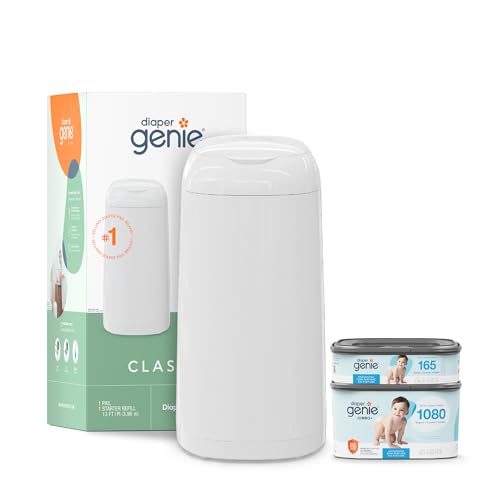
| Diaper Genie Complete | Twist-and-seal bagging | Twists each diaper into a sealed bag; uses Genie refills | Refill cost and occasional jams reported |
| Munchkin Step | Simple foot-pedal operation | Step pedal, baking soda odor feature according to the maker | Uses specific refills or bag options listed by the maker |
| Baby Trend Diaper Champ | Drop-in design, standard bags | Drop-in top, works with regular bags | Can be less sealed than other designs |
| Regular lidded trash can | Budget solution, older babies | Uses any bag, easy to find | No dedicated odor features |
What Matters Most When Choosing
Odor control
Odor control is the main reason parents buy a dedicated pail. Designs vary: some twist each diaper into a sealed bag, some use a tight lid and gasket, and some rely on a charcoal or baking soda filter. Reviewers commonly say that how well a pail contains odor depends on how often it is emptied and whether the lid is closed fully, so a pail that is emptied every few days will usually smell less than one left for a week. Sealing the bag before you take it out also helps.
Ease of use
If you often hold a baby in one arm, a foot pedal or one-handed opening is a real benefit. Pedal designs such as the Dekor Plus and Munchkin Step let you drop a diaper in without touching the pail. Drop-in designs such as the Diaper Champ are also one-handed, though they may require pushing the diaper through a flap.
Refill system and running cost
Some pails use proprietary refills, which can add up over time. Others, such as the Ubbi, work with standard trash bags, making ongoing costs more predictable. Check the maker’s refill details and think about how many diapers you change each day. If you want to avoid hunting for specific refills, choose a pail that accepts ordinary bags.
Capacity and emptying frequency
Makers list capacity in diapers or liters. A larger pail needs emptying less often, but it also holds odors longer if you leave it. For newborns, who produce many diapers, a larger pail can be convenient. As your child grows and you change fewer diapers, a smaller one may suffice.
Cleaning
Pails with removable lids, smooth interiors and few crevices are easier to clean. Steel pails resist stains and odors, though plastic pails with sealing systems may require more detailed cleaning. Follow the maker’s care instructions and use mild cleaners.
Pail Types in Detail
Steel pails with standard bags
The Ubbi is the best-known example. It uses a steel body and a lid that closes over the opening, and you line it with ordinary trash bags. Parents like the low running cost and the choice of colors. The trade-off is that it relies on the bag and lid for odor control, so frequent emptying matters.
Twist-and-seal systems
The Diaper Genie uses a mechanism that twists each diaper into a continuous bag. When the bag is full, you cut it and tie it off. This keeps each diaper separately wrapped. The drawback is that refills are specific to the system, and some parents report jams if diapers are bulky.
Foot-pedal sealed pails
The Dekor Plus and Munchkin Step use foot pedals and a closed system. The Dekor’s maker states it uses a sealed disposal system with its own refills. The Munchkin’s maker describes a baking soda feature that helps to reduce odor. Both are easy to use one-handed.
Drop-in designs
The Diaper Champ lets you drop diapers straight through the top, with a flap that closes behind. It works with regular bags, keeps costs down, and is simple. It may not seal odors as tightly as twist-style pails, according to reviewers.
Safety and Placement Notes
Place the pail out of reach of toddlers and pets, since soiled diapers can contain bacteria and some pails have lids that a child could open. Many pails have child-resistant lids or latches; check the maker’s instructions. Wash your hands after changing diapers and handling the pail. Do not overfill, and empty the bag before it is stretched or heavy. If your local rules require specific disposal methods, follow them. If your baby has a health concern that affects stools or skin, speak to your pediatrician for advice.
Budget Tiers
Budget tier
A standard lidded trash can or a simple drop-in pail keeps costs down and works with ordinary bags. It may not control odor as well, but frequent emptying helps.
Mid-range tier
Pedal pails such as the Munchkin Step and the Diaper Champ fall here according to typical retail positioning. They give one-handed convenience and decent odor control for most households.
Premium tier
Steel pails such as the Ubbi and sealed systems such as the Dekor Plus carry a higher initial cost. Parents choose them for durability, design and stronger odor containment, though running costs differ by system.
Pick X If… Decision Table
| If you want… | Pick | Why |
|---|---|---|
| Standard trash bags and low running cost | Ubbi Steel Diaper Pail | Works with ordinary bags |
| Hands-free pedal with a sealed system | Dekor Plus | Pedal and sealed disposal, maker-specific refills |
| Each diaper wrapped separately | Diaper Genie Complete | Twist-and-seal bag mechanism |
| Easy pedal, straightforward design | Munchkin Step | Step pedal and odor feature listed by the maker |
| Drop-in simplicity with standard bags | Baby Trend Diaper Champ | Simple top with regular bags |
| A very tight budget | Lidded trash can | Uses any bag, no special parts |
Alternatives
- Odor-sealing disposal bags. Special bags designed to contain smells can be used with any bin and let you take diapers outside quickly.
- Outdoor bin routine. Taking diapers straight to an outside lidded bin after each change avoids indoor odor entirely.
- Cloth diapers. Cloth systems use a wet bag or lidded pail, with different cleaning routines. Follow the diaper maker’s laundering instructions.
Tips to Reduce Odor
- Empty the pail every few days, not just when it is full.
- Make sure the lid is fully closed after each use.
- Wipe the lid and rim with a mild cleaner regularly.
- Tie off bags tightly before removing them.
- Keep the pail in a cool place away from direct sun.
How Many Diapers Will You Go Through?
Newborns typically need many changes in a day, so a pail that holds a large number of diapers saves trips outside. As babies grow, the number falls, and a smaller pail or a regular bin may suffice. If you have twins, a larger capacity and a tight seal matter more. If you use cloth diapers for part of the week, a combination approach with a wet bag for cloth and a pail for disposables works for some families.
Think about where the pail will live. A nursery, a hallway and a garage each have different needs. In a warm room, odors build up faster, so a tighter seal and more frequent emptying are useful. A pail with a small footprint fits beside a changing table, while a taller model can sit in a corner. Measure the space and read the dimensions the maker lists, including the clearance needed to open the lid or press the pedal.
Finally, consider the bags themselves. Scented or odor-sealing bags can help in any pail, but strong fragrance can bother some people, so try a small pack first. If you have a sensitive nose or a baby with skin concerns, unscented options are generally the gentler choice, and your pediatrician can advise on any skin reactions.
Frequently Asked Questions
Do I need a special diaper pail?
No, a lidded trash can works, but a dedicated pail is built to hold odors and be used with one hand. Many parents find the convenience worth it, especially in the newborn months.
Can I use regular trash bags in a diaper pail?
Some pails, such as the Ubbi and the Diaper Champ, are made to work with regular bags. Others, like the Dekor and Diaper Genie, use specific refills, so check the maker’s instructions.
How often should I empty a diaper pail?
Many parents empty every few days, and reviewers say this helps most with odor. Empty it sooner if you notice a smell or if the pail is full.
Which pail is best for odor control?
Sealed and twist-style designs are generally described as better at containing smells, but results depend on how often you empty the pail and how well the lid closes. Steel pails with tight lids also have a good reputation among reviewers.
How do I clean a diaper pail?
Empty it, remove the bag, and wash the inside and lid with warm water and a mild cleaner, following the maker’s instructions. Let it dry fully before relining it.
Are diaper pails safe around toddlers?
Place the pail out of reach, and check whether the lid is child-resistant. Soiled diapers should not be accessible to young children or pets.
FAQ
How Many Diapers Will You Go Through?
Do I need a special diaper pail?
Can I use regular trash bags in a diaper pail?
How often should I empty a diaper pail?
Which pail is best for odor control?
How do I clean a diaper pail?
Are diaper pails safe around toddlers?
More from Amazon
Programs that pair well with the guide above. Offers and eligibility are set by Amazon and may change.
Free shipping on eligible items, Prime Video and more. Eligible new members can start with a free trial.
Start a Prime free trialAudiobooks and podcasts to listen to on the go. Eligible new members can start with a free trial.
Try Audible freeAd-free music streaming. Eligible new subscribers can start with a free trial.
Try Music Unlimited freeA free business account with business pricing and bulk-buying tools for work, shop or home office.
Create a business accountAs an Amazon Associate we earn from qualifying purchases.







