For most living rooms and bedrooms, a full-length leaning mirror with a slim metal or wood frame is the safest all-round choice, while a freestanding cheval mirror suits buyers who want to tilt the glass and a very large wall-lean piece suits dressing areas and entryways. The right pick depends on ceiling height, wall strength, how many people share the space and whether children or pets are in the home.
Our top picks


As an Amazon Associate we earn from qualifying purchases at no extra cost to you.
Floor Mirrors at a Glance
| Type | Examples of makers and lines | Best for | Key trade-offs |
|---|---|---|---|
| Leaning rectangular mirror, slim frame | IKEA Stave and Hovet style frames, Umbra Hubba | Bedrooms, hallways, renters | Needs anti-tip hardware; can slide on smooth floors |
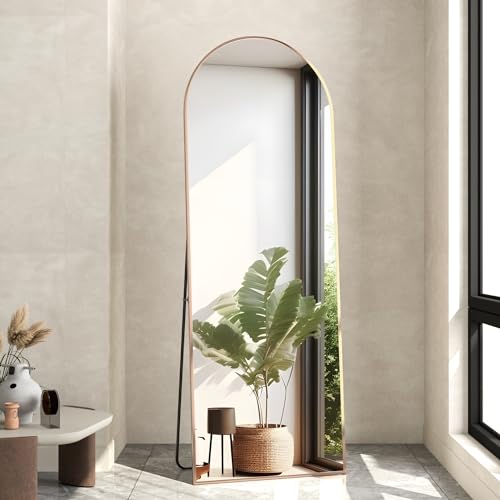
| Arched leaning mirror | Many home brands sell metal-framed arches | Modern or boho rooms, softer look | Curved top wastes a little reflective height |
| Cheval (swivel stand) mirror | Wood and metal stands from several furniture brands | Dressing rooms, adjustable angle | Larger footprint, more parts to assemble |
| Oversize wall-lean mirror | Large framed or frameless sheets | Dance corners, home gyms, walk-in closets | Heavy, hard to move, needs wall anchoring |
| Full-length mirror with built-in lights | LED-edge models from several brands | Dark rooms, makeup and outfit checks | Needs a power source; lighting claims vary by maker |
The table lists categories and example lines rather than rankings. Specifications change between production runs, so use the maker’s dimension and weight table for the exact model you shortlist.
How to Choose Size and Proportion
A full-length mirror should let an adult see head to toe without stepping back across the room. Many makers list heights around 150 to 180 cm for this purpose, and the tallest slim models run beyond that. Measure the wall space and the ceiling height first, then add a margin so the top edge does not touch the ceiling or crown molding.
Width matters as much as height. A narrow mirror is easier to place beside a wardrobe or door, but a wider one reflects more of the room and makes small spaces feel larger. If two people need to check an outfit at once, look for a width in the broader range the maker lists.
- Height: choose a mirror at least as tall as the shortest person in the household, and consider one a little taller for convenience.
- Depth of the leaning angle: a leaning mirror sits at a slight angle, and the base needs enough floor clearance to stay stable.
- Doorways and stairs: measure the narrowest route to the room. Large mirrors often ship in long, flat cartons.
Frame Material and Style
Metal frames
Thin aluminum or steel frames are common on contemporary mirrors. They keep the glass light visually and tend to sit lower in the budget and mid-range tiers than solid wood frames. Check the corner joints and finish, since reviewers often point to chipped powder coat or loose corners on lower-cost models.
Wood frames
Solid or veneered wood frames suit traditional and warm interiors. They are usually heavier than metal frames, which can help stability but makes wall anchoring more important. Wood can react to humidity, so keep it away from steam-heavy bathrooms unless the maker states it is suitable.
Frameless and beveled glass
Frameless mirrors have a clean look but expose the glass edges to chips. A bevel adds a decorative line at the edge. Both styles leave less protection around the glass, so handle them carefully during delivery and placement.
Safety and Anchoring
A tall mirror is a tipping and breakage hazard, especially around children and pets. Use the anti-tip strap, bracket or wall anchor that comes with the mirror, and fix it into a stud or use anchors rated for the wall type, following the maker’s manual. If the mirror ships without hardware, buy anchors suited to your wall and the mirror’s stated weight.
- Place the mirror away from doors that swing hard and from busy walkways.
- Look for mirrors that state a safety-backed or shatter-contained glass construction. If the maker does not state it, ask or choose a model that does.
- Keep leaning mirrors off slick floors or add a non-slip pad under the base.
- If the glass cracks, stop using the mirror and handle the pieces carefully.
Glass Quality and Distortion
Cheaper mirrors can show a waviness that stretches reflections, most visible at the edges and in tall panels. Reviewers often suggest looking at a mirror in daylight right after unpacking and returning it within the seller’s window if the distortion bothers you. Thicker glass and a rigid backing board tend to reduce flex, though the maker’s own description is the only reliable source for glass thickness.
Look for descriptions of copper-free or silver-backed glass if you place the mirror in a humid space, since edge corrosion shows up as dark spots at the border over time. These terms vary by brand, so treat them as questions to ask rather than guarantees.
Budget Tiers
| Tier | What you typically get | What to watch |
|---|---|---|
| Budget | Thin metal or composite frame, basic glass, simple stand or leaning design | Distortion, frame finish, wobble, limited hardware |
| Mid-range | Sturdier frames, better backing, clearer glass, included anti-tip kit | Assembly quality, shipping damage |
| Premium | Solid wood or heavier metal, thicker glass, handcrafted or designer finish | Weight, lead time, whether the cost reflects glass or only the frame |
Pick X If You Have This Need
| Pick | If you want |
|---|---|
| Slim leaning metal-frame mirror | A simple everyday outfit mirror for a bedroom or hallway |
| Arched leaning mirror | A softer shape that suits modern or boho decor |
| Cheval mirror with swivel | To tilt the glass for the right angle and to move it between rooms |
| Oversize heavy mirror | A statement piece, dance or workout reflection |
| Mirror with lights | Good lighting in a dim corner and easier makeup work |
| Wall-mounted full-length mirror | To free floor space and avoid tipping risk, if your wall allows drilling |
Placement and Care
Placing a mirror opposite a window brings in daylight and brightens a room, but direct sun can cause glare and, in some cases, concentrate light into a hot spot, so avoid aiming reflections at flammable materials. Clean the glass with a soft cloth and a glass cleaner sprayed on the cloth rather than the mirror, so liquid does not run behind the glass edge and attack the backing.
Dust frames regularly. For wood frames, follow the maker’s finish instructions. Keep the mirror out of constant direct steam, and wipe splashes quickly.
Alternatives to a Standard Floor Mirror
- Over-the-door full-length mirror: uses no floor space and is easy to remove for renters, though door-hanging hooks must suit your door thickness.
- Wall-mounted full-length mirror: the most stable option when properly anchored, but it requires drilling.
- Stick-on or panel mirrors: light and inexpensive, but the reflection quality can vary and adhesives can mark walls.
Questions to Ask Before You Order
- What are the exact outer dimensions and the glass dimensions? The frame can take several centimeters from the visible reflective area.
- How heavy is the mirror, and does the wall type in the room suit the supplied anchors?
- Is the glass described as safety backed, and what is the backing material?
- Does the maker offer a return or replacement policy for glass damaged in transit?
- Can the mirror be hung on the wall later if you decide to stop leaning it?
Room-by-Room Placement Notes
In a bedroom, a mirror near the wardrobe is convenient for outfit checks, but avoid facing it directly at the bed if the reflection bothers your sleep. In an entryway, a tall mirror helps with a last look before leaving and reflects light into a dark hall. In a dressing room or walk-in closet, a wide mirror with even lighting shows colors more accurately than one in a dim corner.
Home gyms and dance corners benefit from larger panels, but mount these on the wall using the maker hardware rather than leaning them, because movement near the glass raises the chance of an impact. Leave a clear zone around the mirror and keep weights and equipment from swinging toward it.
In a child room, choose acrylic or shatter-contained mirrors where the maker offers them, fix the mirror to the wall and keep it away from play areas. In rental homes, read the lease before drilling, and consider a model with a freestanding stand or an over-the-door option.
Finally, think about reflections at night. A mirror opposite a bright window or lamp can bounce glare into the room, and one that faces a doorway can surprise people walking in. Move it a few centimeters or change the angle until the reflection feels natural.
Frequently Asked Questions
How tall should a full-length floor mirror be?
Choose one at least as tall as the shortest adult who will use it, and ideally a bit taller. Many makers list heights between about 150 and 180 cm for full-length models. Measure your wall and ceiling before you buy.
Do leaning mirrors need to be secured to the wall?
Yes, anchoring is the safe approach. A tall mirror can tip or slide, especially around children and pets. Use the anti-tip hardware the maker supplies and follow the manual for your wall type.
Can a floor mirror make a small room look larger?
It can reflect light and extend the visual depth of a room, particularly when placed opposite or beside a window. It does not change the real floor space, so avoid positions that make the area feel cluttered or that reflect a messy corner.
Is a frameless mirror better than a framed one?
Neither is better for everyone. Frameless suits a minimalist look but leaves the edges exposed to chips. Framed mirrors protect the edges and add style, but a weak frame can show loose corners or a poor finish.
How do I stop a leaning mirror from sliding?
Use a non-slip pad or rubber feet under the base and fix the top to the wall with the supplied bracket. Avoid very smooth, polished floors unless you add grip, and look over the placement now and then.
How do I clean a large mirror without damaging it?
Spray glass cleaner on a soft, lint-free cloth instead of the glass and wipe in one direction. This keeps liquid from running behind the edges, which can harm the backing over time.
FAQ
How tall should a full-length floor mirror be?
Do leaning mirrors need to be secured to the wall?
Can a floor mirror make a small room look larger?
Is a frameless mirror better than a framed one?
How do I stop a leaning mirror from sliding?
How do I clean a large mirror without damaging it?
More from Amazon
Programs that pair well with the guide above. Offers and eligibility are set by Amazon and may change.
Free shipping on eligible items, Prime Video and more. Eligible new members can start with a free trial.
Start a Prime free trialAudiobooks and podcasts to listen to on the go. Eligible new members can start with a free trial.
Try Audible freeAd-free music streaming. Eligible new subscribers can start with a free trial.
Try Music Unlimited freeA free business account with business pricing and bulk-buying tools for work, shop or home office.
Create a business accountAs an Amazon Associate we earn from qualifying purchases.