Key takeaways
- Bowl diameter commonly ranges from around twelve to eighteen inches; rectangular and oval shapes are also sold. Leave comfortable counter space on either side for soap and a toothbrush.
- Check the vanity top depth. Narrow counters can leave the faucet too close to the bowl edge.
- Confirm whether the counter needs a drilled hole for the drain and whether the faucet hole should be drilled for deck mounting.
- Stone and thick glass can weigh a lot. Make sure the cabinet is solid and level.
- Use the sealant and mounting ring the maker specifies, so water does not run under the bowl.
- If you are not confident with plumbing, hire a licensed plumber. A leak behind a vanity can cause hidden damage.
For most bathrooms, a ceramic or vitreous china vessel sink from an established maker such as Kohler, Kraus or Ruvati is the safest choice, while buyers who want a handmade look should consider stone, copper or glass bowls from specialists like Native Trails or Sinkology. The right bowl depends less on style than on matching three things: the height of the vanity, the faucet that will sit beside it, and the drain hardware the bowl needs. This guide walks through each material, explains the measurements that cause most returns, and sets out which kind of buyer each option suits.
Our top picks



As an Amazon Associate we earn from qualifying purchases at no extra cost to you.
Vessel Sinks at a Glance
| Type | Example makers | Best for | Key points from makers and reviewers | Limits |
|---|---|---|---|---|
| Vitreous china / ceramic bowl | Kohler, Kraus, Ruvati | Everyday family bathrooms | Makers describe glazed, non-porous surfaces that wipe clean | Can chip if a heavy object is dropped |
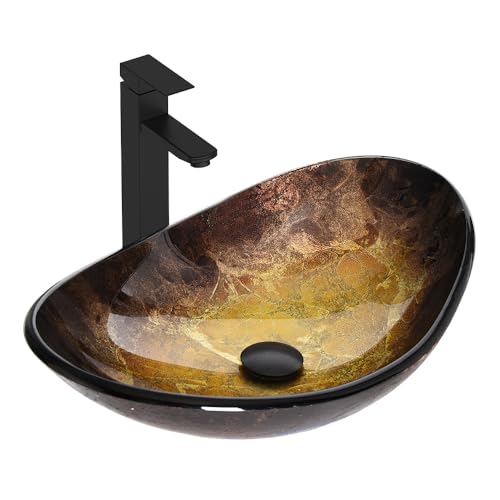
| Tempered glass bowl | Kraus, Sinkology, Miligore | Powder rooms and modern styling | Makers state tempered glass construction in several colours | Shows water spots and soap film quickly |
| Natural stone or marble bowl | Native Trails, Ruvati, various stone specialists | Spa-style or rustic looks | Each piece varies in veining and tone | Heavy; some stone needs sealing as the maker directs |
| Copper or hammered metal bowl | Native Trails, Sinkology | Warm, traditional or farmhouse rooms | Makers note a living finish that changes with use | Finish care is specific; harsh cleaners can damage it |
| Stainless or solid surface bowl | Ruvati, Kraus | Busy kids’ bathrooms | Durable, lighter weight, easy to replace | Less decorative range |
How to Choose a Vessel Sink
A vessel sink sits on top of the counter instead of being set into it, so the finished rim height is the counter height plus the bowl height. A standard vanity counter is usually around thirty-two to thirty-six inches high. Add a bowl that rises five or six inches above the counter and the rim can end up higher than is comfortable, especially for children and shorter adults. Many buyers pair a taller bowl with a lower vanity, sometimes called a vessel-ready vanity, for exactly this reason. Measure the height from the floor to the intended rim before ordering and compare it with what feels natural at your current sink.
Next, check the faucet. A vessel bowl needs either a tall deck-mounted faucet whose spout clears the rim, or a wall-mounted faucet. A standard short bathroom faucet will drop water onto the outer edge of the bowl and splash badly. Makers such as Kohler, Delta and Moen list vessel-height faucets, and the spout should reach well past the inside edge of the bowl so water lands near the drain. If the vanity has a shallow back deck, confirm that the faucet base and the bowl both fit without crowding.
Finally, check the drain. Many vessel bowls have no overflow hole, which means a pop-up drain that matches the bowl and is made for non-overflow designs is required. Some bowls sold without a drain assume you buy the matching ring and hardware separately. Read the product sheet to see whether the drain and mounting ring are included, and pay attention to the finish so that the faucet, drain and any other hardware match.
Material Trade-offs
Vitreous china and ceramic
This is the most common and the most forgiving choice. Makers describe a fired, glazed surface that resists staining and wipes clean with ordinary non-abrasive bathroom cleaners. Reviewers frequently point to the wide range of shapes, from round bowls to rectangular troughs, and to the fact that replacement is simple if one ever cracks. The drawback is that a heavy impact, such as a dropped bottle, can chip the glaze. For a family bathroom with a limited budget, this is generally the sensible starting point.
Tempered glass
Glass bowls are popular in powder rooms where the sink is a decorative feature. Makers such as Kraus and Sinkology state that their bowls are made from tempered glass and sold in many colours and textures. Reviewers commonly note that clear and dark glass shows water spots, toothpaste and soap residue, so a quick wipe after use is part of owning one. Textured or frosted glass hides marks better. Glass is not the best fit for a bathroom used by several people every day unless you are willing to wipe it often.
Natural stone
Marble, travertine, granite and river stone bowls give a spa-like feel, and Native Trails is one of the better known brands in this area, alongside stone specialists. No two bowls look exactly alike. Stone is heavy, so check that the vanity top can support it, and ask the seller whether the stone requires periodic sealing and which cleaners are safe. Some stones can etch from acidic products. Follow the care instructions from the maker rather than general advice.
Copper and metal
Copper bowls, often hammered, give a warm and traditional look. Makers describe the finish as one that develops character with use, which some buyers love and others find inconsistent. Cleaning requires gentler products than ceramic, and the maker’s care sheet should be followed closely, because abrasive cleaners can strip a protective coating. Metal bowls can also be louder when water hits them.
Solid surface and stainless steel
These are the practical, hard-wearing options. They are lighter than stone and less likely to chip than ceramic or glass. The trade-off is a narrower choice of designs. They suit households that want something durable and easy to maintain over decoration.
Sizing and Installation Notes
- Bowl diameter commonly ranges from around twelve to eighteen inches; rectangular and oval shapes are also sold. Leave comfortable counter space on either side for soap and a toothbrush.
- Check the vanity top depth. Narrow counters can leave the faucet too close to the bowl edge.
- Confirm whether the counter needs a drilled hole for the drain and whether the faucet hole should be drilled for deck mounting.
- Stone and thick glass can weigh a lot. Make sure the cabinet is solid and level.
- Use the sealant and mounting ring the maker specifies, so water does not run under the bowl.
- If you are not confident with plumbing, hire a licensed plumber. A leak behind a vanity can cause hidden damage.
Budget Tiers
At the budget tier, expect basic vitreous china or glass bowls with a limited choice of finishes, with drain hardware sometimes sold separately. In the mid-range, you find better-glazed ceramic, thicker glass and entry-level stone or metal, often with matching drains included. At the premium tier, buyers pay for natural stone, hand-finished copper, designer shapes and larger makers’ warranties. Higher cost does not always mean better daily performance; a plain ceramic bowl from a respected maker is often easier to live with than a delicate premium material.
Pick the Right Sink: Decision Table
| Pick this if you want | Choose | Watch out for |
|---|---|---|
| Low-maintenance daily use | Vitreous china bowl | Chips from hard impacts |
| A bold statement in a powder room | Tempered glass bowl | Visible spots and residue |
| Natural, one-of-a-kind appearance | Stone bowl from a specialist | Weight and sealing requirements |
| Warm, traditional character | Copper bowl | Finish care and louder water sound |
| Durable choice for kids | Stainless or solid surface | Fewer styles |
| A lower-profile look | Semi-recessed or shallow bowl | Counter cut-out needed |
Alternatives to Consider
If vessel height is a worry, a drop-in or undermount sink gives a flush look and a lower rim, and it is easier for children and for anyone with limited reach. A semi-recessed sink sits partly into the counter and reduces the height while keeping a visible bowl. A wall-mounted or console sink suits very small bathrooms because it frees floor space. Each alternative has different installation needs, so check the manufacturer’s template before choosing.
Care and Cleaning
Wipe the bowl dry after use to cut down on mineral spots, especially if your water is hard. Use the cleaner the maker names for your material and avoid scouring pads on glass, copper or sealed stone. Check the drain and mounting ring joint occasionally for loosening or seepage, because a slow leak around the base can go unnoticed. If you see water damage in the vanity, contact a plumber.
Frequently Asked Questions
Do vessel sinks need a special faucet?
Yes, in most cases. A tall deck-mounted faucet or a wall-mounted faucet is needed so the spout clears the rim and the water lands inside the bowl. Check the spout reach and height against the bowl dimensions before buying.
How high will a vessel sink sit?
The rim height is the counter height plus the bowl height. Many buyers choose a lower vanity or a shallower bowl to keep the rim at a comfortable level. Measure from the floor to the planned rim before ordering.
Are vessel sinks harder to clean?
The bowl itself is simple to wipe, but the base where it meets the counter can collect water and soap if it is not sealed well. Wiping that edge regularly keeps it tidy. Choose a bowl with a smooth base ring to make this easier.
Can I fit a vessel sink on my existing vanity?
Often yes, but you may need to drill a drain hole and consider whether the faucet and counter depth suit a vessel bowl. If the counter is thin or a laminate, check the weight limits and the maker’s installation guide. A licensed plumber or carpenter can confirm.
Does a vessel sink need an overflow?
Many vessel bowls do not have an overflow hole, so they use a drain designed for non-overflow bowls. Check the product sheet to see which drain the bowl needs and whether it is included. Using the wrong drain can cause leaks.
Which material lasts longest?
Makers generally position vitreous china, solid surface and stainless steel as durable options with simple care. Stone and copper can also last a long time but need the maker’s care steps. Glass is durable under normal use but shows marks and can chip at the rim if struck.