Recovering from a hand, wrist, or finger injury requires targeted rehabilitation that safely rebuilds strength without re-injuring delicate tendons, ligaments, and bones. Whether you are bouncing back from a distal radius fracture, a carpal tunnel release, or a tendon repair, hand therapy putty remains one of the most effective, low-cost tools prescribed by occupational and physical therapists. However, walking into the selection process blindly can lead to buying products that are too sticky, too stiff, or entirely unsuited for your specific stage of healing.
As we navigate through 2026, the market for rehabilitation putty features diverse formulations designed to address everything from post-surgical stiffness to chronic arthritis management. Knowing how to evaluate these materials ensures your home exercise program is both comfortable and progressive, helping you regain functional dexterity safely and efficiently.
As an Amazon Associate we earn from qualifying purchases at no extra cost to you.
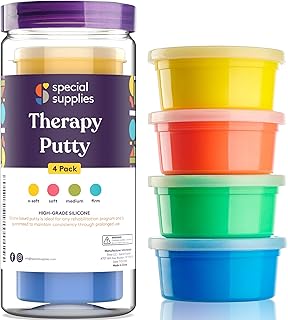
Understanding Resistance Levels and Color Coding
The single most important factor in choosing therapy putty is resistance level. Most manufacturers use a standardized color-coded system to indicate firmness, ranging from extra-soft (often tan or yellow) to extra-firm (such as blue or black). Choosing the right starting point depends entirely on your medical clearance and current recovery phase.
If you are in the immediate post-operative or acute injury phase, starting with an extra-soft or soft putty is mandatory. Forcing your hands to squeeze a medium or firm resistance too early can cause inflammation, tendon strain, or micro-tears in healing tissue. As your strength improves over several weeks, you can gradually transition up the color spectrum under the guidance of your therapist.
Material Composition: Clean Silicone vs. Oily Compounds
Not all therapy putties are manufactured using the same base materials. High-quality therapeutic putties are typically made from silicone-based polymers that maintain their structural integrity, elasticity, and resistance profile over months of repeated use. Cheaper alternatives may rely on inferior compounds that break down, crumble, or leave an unpleasant oily residue on your hands and furniture.
When selecting a product, look for non-toxic, latex-free, and bleed-resistant formulations. Latex-free is especially critical for clinical and home environments where skin sensitivities may be heightened due to trauma, scarring, or prolonged immobilization in casts or braces.
Tackiness and Skin Feel
Tackiness refers to how sticky the putty feels to the touch. While a small amount of grip is necessary so the material conforms to your fingers during exercises like pinch-grips and finger-extension stretches, overly tacky putty can be a nightmare to handle. It sticks to dry skin, hair, clothing, and jewelry, making the exercise experience frustrating.
The best recovery putties offer a smooth, clean-release surface texture. They should conform seamlessly to your hand shape during a fist squeeze or web-space squeeze, yet release cleanly from your skin when you open your hand, preventing unnecessary skin irritation during long rehabilitation sessions.
Container Portability and Volume
Consistency is the secret to successful hand therapy recovery. Performing your prescribed exercises three to five times a day yields significantly better results than doing one long, exhausting session a week. Therefore, the container and volume of the putty matter immensely for your daily compliance.
Standard recovery kits usually come in plastic twist-off containers ranging from two to three ounces for home use, with larger tubs available for clinics. Ensure your container seals tightly to prevent the putty from drying out or collecting household dust, pet hair, and lint. A portable container also allows you to slip your rehabilitation tool into a bag or desk drawer for convenient use throughout your day.
Avoiding Common Sizing and Resistance Mistakes
A frequent mistake during injury recovery is buying a single tub of medium-firm putty and attempting to power through the stiffness. This approach frequently backfires, leading to tendonitis flare-ups or joint pain that halts your recovery progress entirely. Hand recovery is a marathon, not a sprint.
Another pitfall is purchasing too little volume. If you have larger hands or require specific multi-finger isolation exercises, a tiny two-ounce container might not provide enough material to wrap comfortably around your palm or web spaces. Conversely, buying a massive clinical tub can take up too much space and increase the risk of contamination over months of home use.
When to Spend More on Premium Therapeutic Putties
While basic therapy putty is relatively inexpensive, you might wonder if premium brands are worth the extra cost. Premium formulations often feature advanced antimicrobial properties, superior resistance stability over time, and advanced scent-free or hypoallergenic characteristics.
Investing a few extra dollars in a reputable, medically-tested brand is generally worth it if you have sensitive skin, require precise and consistent resistance progression, or plan to use the putty heavily over a six-to-twelve-month recovery timeline. Inferior putties degrade quickly, losing their resistance elasticity and forcing you to buy replacement tubs much sooner.
Related Guides
To explore top-rated choices currently available, check out our comprehensive expert product roundup for detailed performance breakdowns and testing insights.
FAQ
How long does hand therapy putty last before losing its resistance?
With daily use and proper storage in a sealed container, high-quality silicone therapy putty typically maintains its resistance properties for several months. However, if it begins to feel sticky, loses its elasticity, or accumulates persistent dirt, it is time to replace it.
Can I wash my hand therapy putty if it gets dirty?
Most commercial therapy putties cannot be effectively washed with soap and water because moisture alters their chemical composition and makes them overly sticky or ruined. The best prevention is washing and thoroughly drying your hands before every use to keep the material clean.
What resistance level should I start with after wrist surgery?
You should almost always start with extra-soft or soft resistance following wrist surgery or major trauma. Always consult your orthopedic surgeon or physical therapist before beginning any resistance exercises to ensure your bones and soft tissues are sufficiently healed.
How many times a day should I use therapy putty?
Most therapists recommend short, frequent sessions—such as five to ten minutes, two to three times daily—rather than one long, fatiguing session. This approach builds endurance and flexibility safely while minimizing the risk of overuse strain.