Buying a pottery kiln is the single biggest investment a ceramic artist can make, shifting your practice from studio rental dependency to true independence. Whether you are upgrading your home setup in 2026 or outfitting a community workspace, understanding the core mechanics of electric and gas kilns prevents costly purchasing mistakes.
Too many buyers get distracted by flashy digital controllers or excessive brand prestige, overlooking the fundamental specifications that dictate firing success. This guide cuts through the marketing noise to focus on what actually matters—from electrical requirements and chamber geometry to temperature ratings and element configuration.
As an Amazon Associate we earn from qualifying purchases at no extra cost to you.
Electrical Requirements and Power Supply
Before you even look at kiln dimensions, you must evaluate your studio’s electrical capacity. Most hobby and semi-professional electric kilns require dedicated circuits, often 240 volts, drawing anywhere from 30 to 60 amps. Ignoring your home’s breaker panel limits or failing to account for wire gauge requirements can result in tripped breakers, damaged equipment, or severe fire hazards.
Consult with a licensed electrician before purchasing your equipment to confirm whether your space can support a heavy-duty continuous load. Remember that upgrading a subpanel or running a dedicated line is a necessary secondary cost that must be factored into your total budget, as operating a kiln on an inadequate circuit is simply not an option.
Chamber Size and Loading Capacity
Kiln capacity is measured in cubic feet, but the actual usable space depends heavily on the interior shape and furniture layout. A tall, narrow oval kiln accommodates different vessels than a wide, shallow round chamber. Consider the scale of your typical work: if you throw large floor vases, a standard top-loader might leave you frustrated by vertical clearance limits.
It is also wise to buy slightly larger than you think you need. Packing a kiln too tightly restricts airflow and leads to uneven heat distribution, warped pieces, and glazes running into one another. Leaving adequate space between greenware and glaze ware ensures consistent results and extends the lifespan of your kiln shelves and posts.
Temperature Ratings: Cone 6 vs. Cone 10
Pyrometric cones measure heat work—the combined effect of temperature and time on ceramic materials. Most potters fall into one of two camps: mid-range (Cone 6) or high-fire (Cone 10). While Cone 10 stoneware and porcelain require heavy-duty kilns with robust brick insulation and specialized elements, Cone 6 offers vibrant glaze palettes with significantly less wear and tear on the equipment.
Evaluate your artistic goals rather than defaulting to the highest temperature rating available. If your preferred clay bodies and commercial glazes mature at Cone 6, purchasing a massive industrial kiln built for Cone 10 is an unnecessary expense that will drive up your monthly electricity bill without providing any tangible benefit.
Element Placement and Heat Distribution
The positioning of heating elements inside the kiln chamber directly dictates temperature uniformity. Top-loaders typically feature elements embedded in grooves around the walls, while some advanced models include elements in the floor or lid to combat heat loss. Sidewall elements ensure heat surrounds your work evenly, reducing cold spots that cause glaze defects.
Look for kilns with multi-zone control configurations if you are purchasing a larger chamber. Multi-zone programming allows the kiln to monitor and adjust temperatures at the top, middle, and bottom independently, compensating for the natural tendency of heat to rise and keeping your entire load firing at a uniform rate.
Digital Controllers vs. Manual Switches
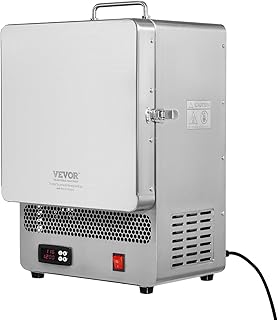
Modern kilns predominantly feature digital touchpads or computerized controllers that automate complex firing schedules, ramp rates, and holds. These controllers eliminate the guesswork of manual pyrometric cone-sitting and provide repeatable results batch after batch. They allow you to program precise slow-cool schedules for crystalline glazes or delicate reductions.
While manual infinite switches are cheaper and appeal to purists, digital controllers are vastly superior for consistency. A digital system protects against over-firing and gives you real-time diagnostic data if an element fails mid-cycle, making it an essential feature for both production potters and busy hobbyists.
Venting and Studio Ventilation Needs
Kilns off-gas binder burn-offs, sulfur, fluorine, and metal vapors during firing, making proper ventilation non-negotiable for indoor setups. Relying solely on open windows is insufficient for studio safety. Downdraft ventilation systems, which pull fumes directly from the bottom of the kiln chamber and vent them outside, are the gold standard for maintaining air quality.
When selecting your kiln, factor in the cost and installation requirements of an auxiliary ventilation hood or downdraft kit. Protecting your respiratory health and preventing corrosive gases from damaging your studio environment is just as important as choosing the right brick thickness.
When to Invest in a Premium Model
Entry-level hobby kilns are fantastic for occasional use, but they often feature thinner firebrick insulation, which allows more heat to escape into your studio and increases electricity consumption. Premium models typically feature thicker brick walls, heavy-duty relays, and superior stainless steel jackets that prevent structural warping over years of high-temperature cycles.
If you plan on running multiple firings a week, investing in a commercial-grade or heavy-duty studio kiln pays for itself through energy efficiency, longer element life, and reduced maintenance downtime. Pay close attention to warranty coverage as well; reputable manufacturers stand behind their build quality with multi-year guarantees on parts and labor.
Related Guides
To explore specific manufacturer lineups and find the right model for your workspace, check out our comprehensive best pottery kilns roundup for detailed performance breakdowns.
FAQ
Do I need special wiring for a pottery kiln?
Yes, virtually all hobby and studio kilns require a dedicated 240-volt circuit and heavy-duty wiring installed by a licensed electrician. Standard household outlets cannot handle the continuous high amperage drawn by heating elements, which would quickly trip breakers or melt wiring.
What is the difference between Cone 6 and Cone 10 kilns?
Cone 6 kilns operate at lower temperatures and experience less element wear, making them ideal for modern mid-range studios. Cone 10 kilns reach higher temperatures and require thicker insulation and heavy-duty components to withstand extreme heat.
How much space do I need around a kiln?
Most manufacturers recommend a minimum of 12 to 18 inches of clearance between the outer walls of the kiln and any combustible surfaces, walls, or shelving. Adequate ventilation space is also crucial to prevent heat buildup and ensure safe operation in your studio.
Are front-loading or top-loading kilns better?
Top-loading kilns are more common, generally more affordable, and easier to load for smaller vessels, though they require bending over. Front-loading cabinets offer superior ergonomic loading and allow you to stack complex shelving configurations with ease, but they occupy a larger footprint and carry a higher price tag.