Organizing a growing collection of periodicals can quickly become a frustrating endeavor if you choose the wrong containment system. As we navigate through 2026, print media enthusiasts, collectors, and interior designers are looking beyond flimsy cardboard boxes and embracing structured, durable storage solutions. Magazine storage cans offer a sleek, upright approach to preserving your favorite reads, keeping them free of dust, warping, and edge-creasing while maintaining a clean aesthetic on your shelves or desktop.
However, not all storage cans are engineered to the same standard. Factors ranging from material thickness to dimensional clearance can make the difference between a pristine collection and ruined paper. This guide breaks down the critical specifications, common pitfalls, and functional differences you need to consider before making your purchase, ensuring your investment protects your collection for years to come.
As an Amazon Associate we earn from qualifying purchases at no extra cost to you.

Material Composition: Plastic, Metal, and Cardboard
The material of your magazine storage can dictates its longevity, weight capacity, and environmental resistance. Polypropylene and acrylic plastics dominate the market because they offer a rigid structure that resists moisture and wipes clean easily. They are ideal for high-traffic areas or spaces prone to humidity, such as basements or home offices.
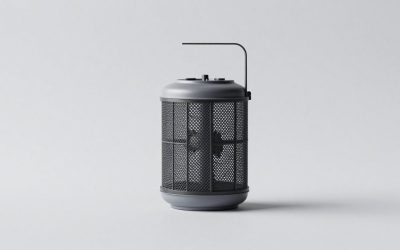
Metal options, typically constructed from powder-coated steel or aluminum mesh, provide exceptional durability and a modern industrial look. They will not crack under pressure and offer superior fire and pest resistance compared to polymer alternatives. Heavy-duty corrugated cardboard remains a budget-friendly choice, but it should only be considered for short-term storage or low-humidity environments, as moisture absorption will eventually cause sagging and structural collapse.
Sizing, Dimensions, and Magazine Format Compatibility
One of the most frequent mistakes buyers make is assuming all magazines share standard dimensions. Standard digest-sized publications, traditional glossy lifestyle magazines, and oversized art folios require entirely different interior clearances. Before selecting a storage can, measure the height, width, and spine thickness of your largest target publication.
You must also evaluate the height of the container’s front lip. A low front cutout makes it easy to read titles and pull issues out without tipping the entire can, but it offers less lower-spine support. Conversely, a full-height front panel provides maximum dust protection and keeps oversized pages from curling outward, though retrieval requires lifting the can or sliding the publication entirely upward.
Load-Bearing Capacity and Structural Integrity
Magazines are deceptively heavy. A fully packed storage can filled with thick, glossy paper stock can easily weigh several pounds, placing immense strain on the base and side walls. When evaluating options, look for reinforced bases and double-walled construction if you are purchasing plastic or cardboard models.
For metal mesh or wire configurations, check the gauge of the wire and the weld points at the corners. Flimsy joints will buckle outward when compressed tightly by heavy publications. A properly engineered storage can should maintain its rigid rectangular shape even when filled to capacity, without bowing outward or causing the bottom panel to drop.
Ventilation and Moisture Protection for Archiving
If you are archiving vintage or collectible print issues, airflow and humidity control are paramount. Trapped humidity can cause mold growth, foxing, and acid migration between pages. While solid plastic and acrylic cans keep out dust completely, they can also trap residual moisture if items are stored in damp conditions.
Look for containers that feature subtle back ventilation slots or choose wire-mesh styles if your archiving environment lacks climate control. For highly valuable collections, pairing a solid-walled storage can with internal acid-free backing boards or archival sleeves provides an extra layer of defense against environmental degradation.
Common Mistakes to Avoid When Buying Storage Cans
Shoppers often fall into the trap of prioritizing aesthetic finishes over functional utility. A minimalist wire container might look stunning on a mood board, but if the wire spacing is too wide, the spines of thinner saddle-stitched magazines will slip through the gaps and warp.
Another major oversight is ignoring shelf clearance. Many buyers purchase tall storage cans only to discover they cannot fit them onto standard bookshelf tiers because they forgot to account for the vertical clearance needed to lift the magazines out of the top. Always measure your shelf height and depth before ordering oversized units.
When It Pays to Spend More on Premium Storage
Budget multi-packs are widely available, but they often utilize thin, brittle plastics that yellow under UV exposure or crack under moderate pressure. Investing in premium-tier storage cans is generally worthwhile if your collection holds financial or deep sentimental value.
Higher-end models usually feature injection-molded thick-walled polymers, anti-scratch rubber feet to protect furniture surfaces, integrated label holders for efficient cataloging, and UV-resistant treatments that prevent your magazine covers from fading under ambient sunlight. Spending a bit more upfront prevents the need to replace warped or broken containers every couple of years.
Related Guides
To explore top-rated picks and side-by-side performance comparisons, take a look at our comprehensive roundup of the best magazine storage cans to find options tailored to your specific collection size and display preferences.
FAQ
Do magazine storage cans fit oversized art and fashion publications?
Standard storage cans are typically designed for regular-sized periodicals, so oversized art and fashion folios will usually require wide-format or extra-depth specialty bins. Always check the interior width and height measurements against your largest issues before buying.
Should I choose open-front or enclosed magazine holders?
Open-front holders provide quick, easy access and work best for frequently read magazines in active workspaces. Enclosed or high-wall holders offer superior dust protection and structural support, making them the better choice for long-term archiving.
How can I prevent magazines from slumping inside a partially filled can?
You can prevent slumping by using acrylic shelf dividers, bookends, or simply pairing your collection with backing boards that add rigidity. Keeping the can tightly packed or utilizing adjustable internal supports also helps maintain an upright posture.
Are plastic storage cans safe for vintage or collectible magazines?
Most modern food-safe plastics are chemically stable, but archival-sensitive collectors should ensure the plastic is acid-free and lignin-free. For high-value vintage items, placing individual issues inside archival bags before sliding them into the storage can is strongly recommended.