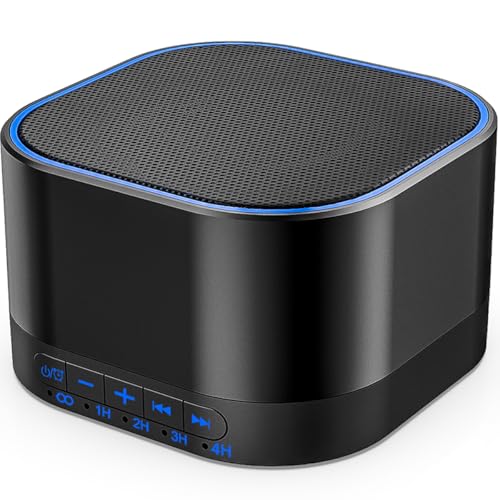
Upgrading your vessel’s audio system requires looking far beyond standard consumer electronics. Water, salt, extreme ultraviolet exposure, and constant vibration mean your audio equipment must be engineered specifically for the harsh marine environment. Selecting the right audio hub ensures your entertainment setup survives season after season without sudden distortion, electrical failure, or premature corrosion.
Navigating the specifications can feel overwhelming when manufacturers throw around high wattage numbers and proprietary terminology. This decision guide breaks down the critical metrics, common sizing pitfalls, and essential features you need to evaluate so you can invest wisely in a reliable sound system for your boat.
As an Amazon Associate we earn from qualifying purchases at no extra cost to you.

Decoding Marine IP Ratings and Weatherproofing
The single most important factor separating a marine stereo from a standard car stereo is its ability to withstand moisture. When browsing units, look closely at the Ingress Protection (IP) rating. An IPX5 or IPX6 rating indicates that the unit can handle powerful water jets from any direction, which is essential when taking waves or washing down the deck. Beyond the outer chassis, inspect internal components for conformal coating. This specialized clear seal protects sensitive circuit boards from salt air and condensation, preventing the microscopic corrosion that leads to permanent electrical failure.
RMS Power Versus Peak Wattage: Looking Past the Marketing
Manufacturers love to print massive peak wattage numbers on the box, but these figures are largely meaningless for real-world performance. Peak wattage represents the absolute maximum output a stereo can handle for a split second before distorting. Instead, focus strictly on continuous RMS (Root Mean Square) power. RMS wattage tells you how much clean, continuous power the internal amplifier can deliver to your speakers. If your RMS ratings are too low, you will have to turn the volume up into heavy distortion just to hear music over engine and wind noise, which quickly damages speakers.
Source Inputs and Connectivity Beyond Basic Bluetooth
While wireless streaming is the standard way most people play music, a great marine stereo offers versatile connectivity options. Look for units featuring stable Bluetooth modules that maintain connection range across open water without dropping out. Additionally, integrated USB ports are vital for charging mobile devices and playing uncompressed audio files directly from a flash drive. If you frequent areas with poor cellular service, having a reliable AM/FM tuner or satellite radio readiness (such as SiriusXM compatibility) ensures you never lose access to weather alerts, news, and entertainment.
Chassis Dimensions and Dashboard Compatibility
Before falling in love with a specific faceplate design, you must measure your available dash space carefully. Marine stereos generally come in two primary physical formats: traditional rectangular DIN chassis and compact round gauge-style designs. If you are replacing an older analog radio, a gauge-style unit can often drop right into an existing tachometer or accessory cutout without requiring major fiberglass modification. If you are installing a standard rectangular DIN unit, ensure you have adequate mounting depth behind the dash so the wiring harness does not get pinched or compressed against the bulkhead.
Sunlight Readability and Display Technology
A brilliant display indoors can become completely invisible when mounted on an open center console under glaring midday sunlight. When evaluating units, examine the screen technology. High-contrast monochrome LCD displays with deep black backgrounds and bright backlighting often offer superior visibility in direct sun compared to cheap color screens that wash out entirely. Some modern marine stereos also feature dimming controls or automatic night modes, ensuring the display does not blind you or ruin your night vision when you are navigating after dusk.
Multi-Zone Audio Control for Larger Vessels
If your boat features distinct areas—such as the bow seating, helm station, and transom swim platform—multi-zone audio capability is non-negotiable. Quality marine stereos allow you to divide your output into separate zones with independent volume control. This means you can keep the music loud and clear near the rear swim platform while turning down the volume near the helm so the captain can clearly communicate with passengers or monitor navigation equipment without screaming over the audio.
Related Guides
To see how top-performing hardware compares in real-world testing conditions, read our comprehensive roundup of the Best Marine Bluetooth Stereos in 2026: Compared and Ranked to find detailed evaluations of durability, audio fidelity, and user interface design.
FAQ
Can I install a standard car stereo in my boat to save money?
Installing a car stereo in a marine environment is a poor long-term choice because automotive units lack moisture seals, UV-resistant plastics, and conformal circuit board coatings. Humidity, salt air, and occasional splashes will quickly rust internal components and ruin the unit. Investing in a true marine-rated stereo ensures long-term reliability where moisture is present.
Do I need to buy an external amplifier for my marine speakers?
While most marine stereos feature built-in internal amplifiers that can power two to four standard speakers, an external amplifier is recommended if you are running large speaker setups, subwoofers, or playing music at high speeds. An external amplifier provides cleaner, distortion-free power that keeps your audio sounding crisp over wind and engine noise. Without it, pushing the internal amp to its limits can cause clipping that permanently damages your speakers.
How can I prevent Bluetooth dropouts while out on the water?
Bluetooth signal range can be heavily impacted by physical obstructions like fiberglass bulkheads, metal dash frames, and your own body blocking the receiver. To minimize dropouts, keep your paired smartphone or tablet relatively close to the head unit and ensure the stereo’s internal or wired antenna has a clear line of sight. Updating your phone’s operating system and the stereo’s firmware can also resolve connection handshake issues.
What does NMEA 2000 compatibility mean for a marine stereo?
NMEA 2000 is a plug-and-play marine communication network protocol that allows various electronic devices on your boat to share data. When a stereo is NMEA 2000 compatible, you can connect it directly to your compatible multi-function display (MFD) chartplotter. This allows you to control your audio tracks, source selection, and volume directly from your primary navigation screen at the helm.