Upgrading your home bathroom into a personal spa involves careful planning, and selecting the right steam shower generator is the single most important decision you will make. In 2026, modern generators offer advanced diagnostic features, faster heating times, and seamless smartphone integrations that elevate your daily routine. However, buying a steam generator is not like purchasing a standard bathroom fixture; you cannot simply pick a model based on brand name or aesthetic appeal alone. The wrong unit will either leave you shivering in a lukewarm mist or burning out prematurely due to excessive load.
To make a confident investment, you need to understand how technical specifications translate into real-world performance. Factors such as room volume, wall materials, and electrical infrastructure dictate which unit will run efficiently for years to come. This guide cuts through the marketing noise to highlight what genuinely matters when shopping for a steam shower generator, helping you avoid costly remodeling errors and secure the ultimate relaxation experience for your home.
As an Amazon Associate we earn from qualifying purchases at no extra cost to you.

Calculating the Correct Kilowatt (kW) Size
The most common mistake homeowners make is buying a generator based solely on the square footage of the bathroom floor. Steam generators are rated by kilowatt capacity, which correlates directly to the total cubic footage of the enclosure. To find your number, multiply the length, width, and ceiling height of the shower stall. However, you must also factor in construction materials. If your shower features natural stone, porcelain tile, or glass blocks, these materials absorb thermal energy much faster than acrylic or fiberglass, meaning you will need to step up to the next higher kilowatt rating to maintain a comfortable temperature.
Material Matters: Generator Tank Construction
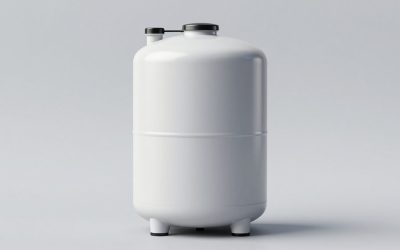
Inside the metal housing, the construction quality of the water tank dictates the lifespan of the appliance. Lower-end models often use coated carbon steel or inferior metals that degrade rapidly when exposed to constant heat and moisture. Look for generators built with heavy-gauge stainless steel tanks and heating elements. Stainless steel resists rust, handles high mineral content water much better, and reduces the risk of premature tank failure. While units with premium internal construction carry a higher upfront price tag, they save you from expensive replacement labor down the road.
Understanding Plumbing and Electrical Requirements
Steam generators demand serious electrical and water infrastructure that must be verified before purchasing. Nearly all residential units require a dedicated circuit with a heavy-gauge copper wire and a specific amperage breaker. Do not assume your existing bathroom wiring can handle the load without an upgrade. On the plumbing side, you need a reliable hot or cold water supply line, a dedicated steam line running from the generator to the steam head, and a proper drainage slope. Ensuring these utilities are correctly mapped out prevents catastrophic water damage and electrical hazards.
Control Panels and Smart Integration
The control panel is your primary interface with the system, making its placement and technology critical. Traditional digital keypads mounted outside the shower allow you to preheat the space before stepping inside, while inside controls let you adjust temperature and time on the fly. Many current models incorporate digital thermostats with precise temperature regulation rather than simple high-low switches. Look for intuitive interfaces with programmable presets for different household members, and consider whether you want Wi-Fi connectivity to manage steam sessions via a smartphone app or voice assistant.
Avoiding Common Sizing and Installation Mistakes
Even a top-tier generator will underperform if installed incorrectly. A frequent error is running the steam pipe with too many horizontal sections or sharp 90-degree angles, which traps condensation and causes sputtering instead of a smooth vapor flow. Additionally, placing the steam head too close to the seating area can result in scalding steam hitting the user directly; it should always be positioned near the floor away from where bathers sit. Finally, never undersize your unit to save money, as running a small generator continuously at maximum capacity will drastically shorten its operational life.
When It Actually Pays to Spend More
Mid-range generators generally handle basic daily steaming effectively, but premium models introduce features that significantly reduce maintenance overhead. Units equipped with automatic flush systems drain the water tank after every use, purging mineral sediment before it can calcify on the heating elements. This feature is particularly valuable if you live in an area with hard water. Furthermore, higher-end systems often include dual-tank configurations that generate steam almost instantaneously, eliminating the frustrating warm-up lag associated with traditional single-tank boilers.
Related Guides
If you want to compare specific models currently leading the market, take a look at our roundup of the best steam shower generators for home bathrooms to find tested recommendations. To ensure your bare feet stay comfortable after stepping out of a warm vapor session, consider integrating one of the top-rated heated flooring systems for bathrooms into your renovation plans.
FAQ
How long does a steam shower generator take to produce steam?
Most residential steam generators begin producing usable steam within one to five minutes after activation. The exact duration depends on the wattage of the unit, the incoming water temperature, and the total cubic volume of the shower enclosure.
Can the generator be installed outside the bathroom?
Yes, generators can typically be installed up to a considerable distance away from the shower stall, such as in a dedicated closet, attic, basement, or utility room. This keeps any operational noise hidden and frees up valuable space inside the actual bathroom enclosure.
Do steam generators require special maintenance?
Routine maintenance largely depends on your local water hardness. Units without auto-flush features require periodic descaling using specialized cleaning solutions to prevent mineral buildup on the internal heating elements and maintain optimal efficiency.
Does the type of tile on my shower walls affect generator selection?
Tile material plays a massive role in sizing calculations because dense, porous materials like marble, granite, or heavy stone absorb ambient heat rapidly. If your shower features extensive natural stone, you must select a higher kilowatt generator to compensate for the thermal loss.