Bringing a longarm quilting system into a home studio is a massive milestone for any serious quilter. In 2026, the market offers an impressive array of compact and modular setups designed to fit residential spaces without sacrificing professional performance. However, evaluating these heavy-duty investments requires looking past flashy marketing and focusing on how the machine interacts with your physical space, your quilting style, and your long-term output goals.
Choosing the right system means balancing throat depth, frame rigidity, stitch regulation reliability, and available floor space. Making an informed choice prevents buyer’s remorse and ensures your home studio remains a functional, inspiring workspace rather than a cramped obstacle course. Let us break down the core specifications and considerations that genuinely matter when shopping for a home longarm setup.
As an Amazon Associate we earn from qualifying purchases at no extra cost to you.

Space, Frame Sizing, and Room Layout
The single most common constraint in a home studio is not budget; it is physical square footage. Longarm frames typically come in modular lengths ranging from eight to twelve feet. Before purchasing, map out your room with painter’s tape, accounting not just for the frame’s footprint, but also for the clearance required to walk around both ends, access power outlets, and pull out cutting tables or storage bins. A twelve-foot frame provides generous working width for king-size quilts, but if your studio is a converted spare bedroom, an eight- or ten-foot frame paired with manageable leader cloths will save your sanity and keep your workflow fluid.
Stitch Regulation: The Core of Free-Motion Consistency
Stitch regulation ensures that regardless of how fast or slow you move the machine head across the quilt sandwich, the machine matches the needle speed to your hand movement to create uniform stitches. When evaluating home systems, test the stitch regulator’s responsiveness during micro-stutters, curves, and sudden directional changes. Look for systems offering multiple regulation modes—such as cruise mode, where the needle keeps moving at a baseline speed while you pause, and precision mode, where the needle stops completely when your hand stops. Reliable stitch regulation transforms free-motion quilting from a stressful exercise into an intuitive, rhythmic experience.
Evaluating Throat Space and Vertical Clearance
Throat space—the distance from the needle to the back of the machine’s arm—determines how much of the quilt design you can see and stitch at one time without advancing the fabric. Home studio longarms typically feature throat depths ranging from fifteen to twenty inches. A larger throat space gives you more room to maneuver bulky pantograph patterns and dense custom fills, but it also increases the overall weight of the machine head. Ensure the carriage glides smoothly across the tracks without requiring excessive upper-body exertion, as heavy machine heads can cause fatigue during long quilting sessions.
Frame Rigidity and Material Quality
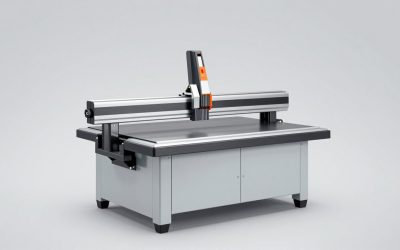
A longarm machine is only as good as the frame it rides on. Flimsy aluminum or poorly welded steel frames will flex, vibrate, and bounce while you quilt, leading to skipped stitches, uneven tension, and premature mechanical wear. Prioritize heavy-duty steel or extruded aluminum frames with adjustable leveling feet to compensate for uneven home flooring. The carriage tracks must remain perfectly parallel and clean. A rigid, well-engineered table absorbs the kinetic energy of the moving machine head, providing a stable, quiet platform that protects your investment for years.
Avoiding Common Home Studio Setup Mistakes
Many quilters rush into a purchase without considering electrical requirements, ceiling height, or lighting. High-powered longarm motors and integrated lighting arrays draw significant electrical current; ensure your studio circuit can handle the load without tripping breakers. Additionally, check your ceiling height, especially if you plan to use overhead lighting fixtures or heavy-duty pantograph laser lights. Finally, do not overlook the importance of ergonomic chair placement and comfortable anti-fatigue mats positioned strategically along the front and back rails of the frame.
When to Upgrade and Spend More on Professional Features
Entry-level home systems are fantastic for hobbyists who quilt a few projects a year, but certain features justify a higher price tag if you plan to scale up. Investing in commercial-grade bobbin systems, larger capacity bobbin winders, and automated computer-guided quilting software can drastically improve efficiency if you intend to take on commission work. If you find yourself constantly fighting thread breakage or struggling with tedious tension adjustments on complex thread types, stepping up to a mid-arm or heavy-duty home system with advanced tension management will pay for itself in saved time and reduced frustration.
Related Guides
To round out your creative studio upgrades this year, explore our detailed resource roundups. Compare top-performing models in our Best Longarm Quilting Systems for Home Studios in 2026: Compared and Ranked. If you also manage a creative side hustle or content creation space, check out the Best Backdrop Stands for Home Photography Studios in 2026: Compared and Ranked. Crafters exploring mixed-media dimensions will also love the insights found within the Best Professional Pottery Wheels for Ceramic Artists and Studios in 2026: Compared and Ranked.
FAQ
How much space do I actually need for a home longarm quilting system?
Most home studios require at least a twelve-by-twelve-foot area to comfortably accommodate a ten-foot frame, allowing enough clearance to walk around all sides, load quilts, and access accessory tables. If space is tight, consider modular eight-foot frames that still handle queen-sized projects with smart fabric management.
Do I need computer-guided automation right away?
Not necessarily. Many quilters prefer starting with manual free-motion quilting and a stitch regulator to master machine control before investing in computerized pantograph software. You can often upgrade modular systems later by adding automation packages when your budget and workflow demand it.
How difficult is it to assemble a longarm frame myself?
Frame assembly typically takes a few hours and requires basic tools like wrenches and a level, best handled by two people. Taking your time to ensure the tracks are perfectly straight and level is critical to preventing alignment issues and uneven carriage glide.
What causes thread breakage on a home longarm system?
Thread breakage is usually caused by incorrect needle size, improper top or bobbin tension, burrs on the hook assembly, or using low-quality thread unsuited for high-speed quilting. Systematic troubleshooting—starting with a fresh needle and rethreading the machine completely—usually resolves the issue.