Navigating the expansive world of outdoor cooking can feel overwhelming, especially with the sheer variety of heating methods, fuel sources, and physical build styles available to backyard chefs today. Whether you are aiming for competition-level brisket with a deep mahogany bark or a simple weekend batch of tender pork shoulder, finding the right equipment requires cutting through marketing noise and focusing on how you actually like to spend your weekends. Equipment that demands constant babysitting might thrill a die-hard purist, but it will quickly frustrate a busy parent who wants dinner ready without standing guard by a firebox for twelve hours.
The single biggest mistake most buyers make is choosing a smoker based entirely on initial upfront price or flashy aesthetic design rather than factoring in local climate, fuel availability, and how much time they can realistically dedicate to temperature management. In this comprehensive 2026 master hub, we pull together every specialized review we publish so you can match your lifestyle, cooking frequency, and flavor preferences to a dedicated cooking machine without second-guessing your investment.
Our top picks


As an Amazon Associate we earn from qualifying purchases at no extra cost to you.
Start Here: Which Smokers Guide Do You Need?
| Guide | Best for | Typical Budget |
|---|---|---|
| Best Charcoal Smokers | Purists wanting authentic smoke flavor and high-heat versatility | Mid |
| Best Electric Smokers | Set-and-forget convenience for beginners and cold smoking | Budget |
| Best Vertical Propane Smokers | High-capacity smoking with precise gas control and great portability | Budget to Mid |
| Best Vertical Pellet Smokers | Maximum hanging and rack capacity with automated wood smoke | Mid to Premium |
| Best Offset Smokers | Traditional pitmasters seeking ultimate smoke quality and large cooking chambers | Premium |
| Best Pellet Smokers | Versatile wood-fired cooking, grilling, and baking with digital control | Mid to Premium |
Traditional Craft and Purist Fire Management
For purists who believe true barbecue requires real wood, charcoal, and hands-on fire tending, traditional designs remain unmatched. When you want deep, complex smoke rings and total control over your fuel source, exploring our curated roundup of the Best Charcoal Smokers will point you toward units that excel at heat retention and efficient airflow management. The decisive specification here is wall thickness and insulation material; ceramic or heavy-gauge steel traps heat effortlessly, allowing you to maintain stable cooking temperatures even when ambient winter weather tries to crash your cookout.
If you want to take your craft even further into authentic southern-style pitmaster territory, you need a heavy-duty side-firebox setup. Our deep dive into the Best Offset Smokers showcases massive cooking chambers designed to separate the fire from the meat completely. The crucial specification to evaluate when shopping for an offset rig is steel thickness, measured in gauge or fractions of an inch. Thinner metal bleeds heat and requires constant wood splitting, whereas heavy plate steel provides the thermal mass necessary for long, clean burns and minimal babysitting.
Automated Wood-Fired Convenience
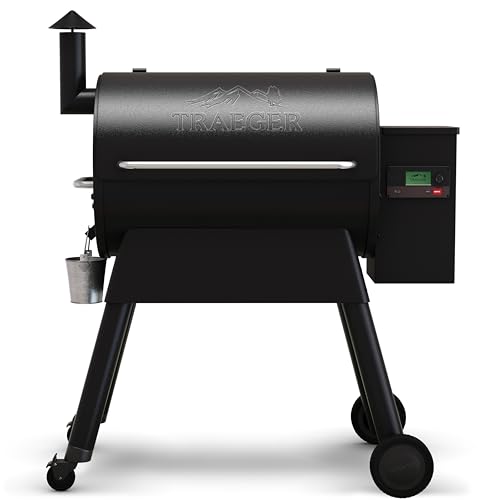
If your ideal weekend involves rich wood-fired flavor without the hassle of manually tending coals every hour, automated wood-feed systems are the gold standard. For traditional horizontal grill-style configurations that can also handle searing, roasting, and baking, check out our comprehensive analysis of the Best Pellet Smokers. The decisive specification to watch here is the auger feed motor reliability and the sophistication of the digital PID controller, which ensures your cooking chamber stays within a few degrees of your target temperature regardless of sudden wind gusts outside.
When you need massive vertical capacity—such as hanging multiple racks of ribs or sausages simultaneously—without eating up all your patio square footage, footprint-efficient towers are the way to go. Our evaluation of the Best Vertical Pellet Smokers covers units built specifically to maximize vertical hanging space while utilizing the same automated wood pellet technology. Look closely at rack spacing and grease management systems here, as vertical grease runoff can easily cause flare-ups if not channeled properly away from the fire pot.
Electric Simplicity and Gas Versatility
For cooks who prioritize absolute ease of use, indoor-adjacent placement, or specialized cold-smoking capabilities like cheese and fish, plugging in a reliable unit is hard to beat. Our breakdown of the Best Electric Smokers highlights plug-and-play appliances that require virtually zero learning curve. The most decisive specification in this category is heating element wattage and insulation quality; higher wattage ensures the unit can bounce back quickly after you open the door to spritz your brisket, while good insulation keeps energy consumption low.
Alternatively, if you want quick-starting convenience paired with higher temperature ceilings and easy transportability to tailgates or campsites, gas-powered towers offer an exceptional middle ground. Our specialized review of the Best Vertical Propane Smokers details how liquid petroleum burner systems deliver steady, adjustable heat with minimal maintenance. The critical specification to inspect in this category is the burner BTU output relative to cabinet volume, ensuring the smoker can reach high enough temperatures for poultry skin to crisp nicely rather than rubberize.
How to Choose Smokers: 5 Rules
- Match fuel to your lifestyle: Be honest about how much time you have to spare. If you cannot check a fire every hour, avoid manual offsets and choose a pellet or electric model instead.
- Evaluate build quality and metal thickness: Thin metals lose heat instantly in cold climates. Look for heavy-gauge steel, double-walled construction, or ceramic bodies for year-round reliability.
- Calculate your capacity needs: Buying too small forces you to cram meat together, blocking essential airflow. Always choose a cooking surface larger than what you think your average weekend cook requires.
- Inspect temperature control mechanisms: Precise digital controllers or high-grade adjustable dampers make maintaining stable cooking environments infinitely easier, resulting in better bark and juicier meat.
- Consider maintenance and cleanup: Look for easily removable ash pans, accessible grease traps, and porcelain-coated grates that cut post-cook cleaning time down to just a few minutes.
FAQ
Which type of smoker gives the best smoke flavor?
Traditional wood-burning offset models and high-grade charcoal cookers generally produce the most authentic, rich smoke flavor because they burn actual wood logs and lump charcoal. Pellet models offer a fantastic balance of clean wood flavor with minimal effort, while electric and propane units rely on wood chips for smoke flavor, which is milder.
Can I use a pellet grill or smoker in cold winter weather?
Yes, but you will burn significantly more fuel as ambient temperatures drop. Investing in an insulated thermal blanket or choosing a heavy-gauge or double-walled model prevents excessive heat loss during winter months.
Are electric models good for beginners?
Electric units are widely considered the absolute easiest option for beginners because they remove the learning curve of fire management. You simply plug the unit in, set your desired temperature, add wood chips for smoke, and let the heating element do the work.
How do I prevent my meat from drying out during long cooks?
Keeping your cooking temperatures stable, using a water pan inside the chamber to maintain humidity, and wrapping your meat in butcher paper or foil during the stall phase are the most effective ways to retain moisture.