Key takeaways
- A four-year-old sits in an interesting spot: old enough for rules, turns, and simple building.
A four-year-old sits in an interesting spot: old enough for rules, turns, and simple building, still young enough that a toy has to work within about ten minutes of unwrapping or it gets ignored. The best toys for 4 year olds tend to do one of three jobs. They burn energy, they invite pretend play, or they quietly teach letters, counting, and fine motor control. A good shopping list covers at least two of those jobs so the birthday pile does not turn into one noisy gadget.
This guide is for parents, grandparents, and gift-givers who want a short list of toys with clear age labels and obvious play patterns. It covers eight picks, from a foam pogo jumper to a water-painting book, with advice on matching each to a child’s temperament. For 2026 gift seasons, the point is variety: one active toy, one creative toy, one game the family can play together. Everything below is based on what each product title states, so check the full listing for safety details and exact contents.
Quick Picks
Our top picks





As an Amazon Associate we earn from qualifying purchases at no extra cost to you.
| Product | Best for | Key spec from the title |
|---|---|---|
| Flybar My First Foam Pogo Jumper | High-energy kids | Foam and bungee, ages 3 and up, supports up to 250 lb |
| iPlay, iLearn Rocket Space Toy | Builders and space fans | STEM playset with electric drill, 2 astronauts |
| Liberry Toddlers Doctor Kit | Pretend play | Ages 2 to 5, cart, costume, stethoscope |
| TOMY Pop Up Super Mario Family Action Game | Family game night | 2 to 4 players, ages 4+, 3 ways to play |
| Magnetic Wooden Fishing Game | Early learners | Alphabet, counting, numbers and letters |
| Fuwidvia 3 Pack Airplane Launcher | Outdoor play | 13.2 in LED foam gliders, 2 flight modes |
| Diamond Magnetic Building Blocks | Open-ended building | Princess Castle magnetic tiles, ages 3 to 8 |
| JoyCat Paint with Water Coloring Books | Quiet, mess-free art | Ages 3 to 5 and 4 to 8, watercolor-style |
How to Choose
Read the age range literally
Look at the minimum age printed in the title. A toy labeled for ages 3 and up is generally designed for small hands and short attention spans, while a game labeled for ages 4+ may include rules and turn-taking. A range like 3 to 8 means the toy should grow with the child, which is helpful if you are buying early. Be cautious with anything that carries small parts and has no clear age label, because small pieces are a real concern for younger siblings in the house.
Balance active, creative, and quiet toys
A four-year-old needs all three modes. Active toys such as a pogo jumper or foam gliders handle the afternoon energy. Creative toys such as magnetic tiles, a doctor kit, or a water-painting book handle imagination. Quiet toys such as a fishing game with letters and numbers handle the wind-down hour. If you are buying just one, choose the mode that matches how the child plays most days, not the one you wish they would play.
Look for multiplayer and sharing potential
A game that supports two to four players turns a toy into a family activity, and building sets with many pieces let two children work together. Solo toys are fine, but a toy that invites a parent or sibling to join tends to stay in rotation longer. Check the player count in the title where it is listed. Think also about frustration tolerance: a four-year-old who melts down when a tower falls will do better with forgiving, open-ended toys than with a game that has a single winner. Cooperative play, like fishing for letters together, can take the sting out of losing.
Where cheaper toys cut corners
Budget toys often skimp on materials and packaging details. Look for sturdy materials named in the title, such as foam and bungee or wood, and for stated weight limits on ride-on or jumping items. Ignore vague claims like “educational” without a named skill, and ignore long lists of keywords stuffed into a title, which say nothing about how the toy plays. Also keep the household in mind: toys with many tiny pieces, lights, or sound effects are fine for some families and a headache for others, so weigh cleanup and noise before you buy. A good title says what the child actually does: catch fish, build a castle, paint with water, launch a glider.
The 8 Best Options
Flybar My First Foam Pogo Jumper
This foam and bungee jumper is labeled for ages 3 and up and supports up to 250 lb, which tells you it is designed to last. It targets children with energy to burn, and it works indoors and out. For a four-year-old who is always bouncing on the couch, this gives that urge a safer outlet.
- Strength: foam construction with a bungee design built for beginners.
- Strength: a high weight limit suggests it can grow with the child and handle older siblings.
- Trade-off: it needs open floor space, and balance takes practice.
Skip it if the child is cautious or you have little room to bounce.
iPlay, iLearn Rocket Space Toy
The listing describes a spaceship building playset with an electric drill and two astronauts, framed as a STEM and educational toy. It suits a child who likes screwing things together, pretending to be an astronaut, and engineering simple structures.
- Strength: the electric drill makes building feel like real work.
- Strength: two astronaut figures encourage storytelling.
- Trade-off: the drill requires batteries, and small parts need supervision.
Skip it if the child gets frustrated by multi-step assembly.
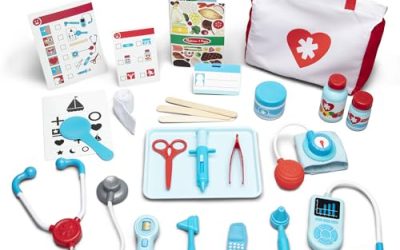
Liberry Toddlers Doctor Kit
This pink doctor playset covers ages 2 to 5 and comes with a cart, costume, and stethoscope for role play. It is a classic imaginative toy: it lets a child practice caring for stuffed animals, siblings, or parents, and it can help with nerves about checkups.
- Strength: the costume and cart make the role play more immersive.
- Strength: it covers a wide age range, from 2 to 5.
- Trade-off: the pink color scheme may not appeal to every child.
Skip it if you want something active or screen-free building.
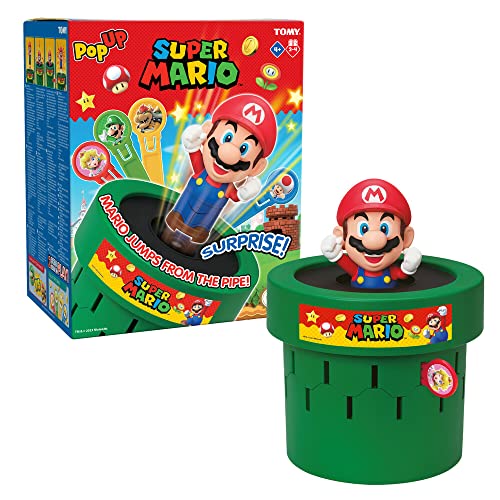
TOMY Pop Up Super Mario Family Action Game
An officially licensed Nintendo game for two to four players, ages 4 and up, with three ways to play. This is the group-play pick: it suits family game night and gets children practicing turn-taking and a bit of suspense.
- Strength: three ways to play keeps it fresh across several sessions.
- Strength: an official character license is a draw for fans of the franchise.
- Trade-off: it needs other players, so it is less suited to solo play.
Skip it if the child is not interested in the characters.
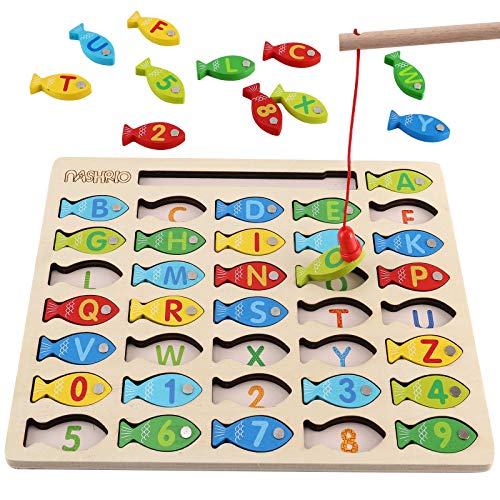
Magnetic Wooden Fishing Game
Built for preschoolers, this wooden game features alphabet fish with numbers and letters, so catching a fish doubles as counting and letter practice. It fits kids who enjoy quiet, tactile activities, and it works for a parent teaching early literacy without a screen.
- Strength: letters and numbers build early-learning skills during play.
- Strength: wooden construction suggests a durable, classic feel.
- Trade-off: it is a modest activity that some kids finish quickly.
Skip it if the child needs constant stimulation or action.
Fuwidvia 3 Pack Airplane Launcher Toys
Three 13.2 in LED foam gliders with two flight modes, labeled for kids 4 to 12. This is the outdoor pick: it pairs with a yard or park and gets a child running, aiming, and chasing. The number of gliders means siblings or friends can play together.
- Strength: a three-pack means everyone gets a turn.
- Strength: foam construction fits the age range 4 to 12, so it lasts.
- Trade-off: it depends on outdoor space and good weather.
Skip it if you need an indoor toy for winter.
Diamond Magnetic Building Blocks Princess Castle
Magnetic tiles for ages 3 to 8, themed around a princess castle. They support open-ended building, so a child can make towers, houses, and castles. The wide age range suggests the set can keep up as skills develop.
- Strength: open-ended play rewards creativity rather than one right answer.
- Strength: the age range of 3 to 8 means it keeps being useful for years.
- Trade-off: tiles can scatter across a room, so a storage bin helps.
Skip it if the home has toddlers who might put small items in their mouths.
JoyCat Paint with Water Coloring Books
A water-painting book with a magical pony theme, labeled for ages 3 to 5 and 4 to 8. This is a calm, low-mess activity suited to car rides and quiet afternoons, and it lets a child practice brush control without paint spills.
- Strength: the paint-with-water format keeps cleanup minimal.
- Strength: it suits a broad range of ages.
- Trade-off: once the pages are used, the book is done.
Skip it if the child prefers building or running over drawing.
Which One Fits Your Situation
Your child never sits still
Pick the Flybar foam pogo jumper for indoor energy or the Fuwidvia airplane launcher set for the backyard. Both give movement a purpose.
You want a family activity
The TOMY Pop Up Super Mario game supports two to four players and has three ways to play, which makes it the strongest choice for an evening with parents and siblings.
Your child loves pretending and building
The Liberry doctor kit suits role play, the iPlay, iLearn rocket playset suits space fans who like tools, and the magnetic castle blocks offer unlimited building.
You need a calm, mess-free gift
Choose the JoyCat paint-with-water book or the magnetic wooden fishing game. Both are quiet and work without special setup, which makes them handy for restaurants, waiting rooms, and long car rides, or as a gentle wind-down activity after a busy day.
Common Mistakes
- Choosing by theme only. A character on the box does not guarantee the toy fits the child’s skills.
- Skipping the age label. Small parts and complicated rules can be a poor match for a younger sibling or a child who is not ready.
- Buying only one type of toy. A mix of active, creative, and quiet options keeps play balanced.
- Forgetting batteries. Toys with lights or drills often need them, so keep a spare set ready.
- Overlooking storage. Magnetic tiles and multi-piece sets are only fun if they stay organized.
Safety and Label Terms Explained
The small-parts warning
Toys for children under three carry a warning because small pieces are a choking hazard. A four-year-old has usually passed that stage, but a younger sibling may still be around, so keep tiny pieces like the airplane launchers and doctor kit tools in a closed bin.
Magnets
Loose magnets are dangerous if swallowed. Magnetic blocks like the Diamond Magnetic Building Blocks should have magnets fully enclosed in the plastic, and magnetic fishing games should have their magnets sealed too. Check for cracks and retire any piece that opens.
Weight limits and supervision
Active toys, including the Flybar My First Foam Pogo Jumper, list a maximum user weight. Follow it, use the toy on a flat, clear floor, and stay nearby while a child learns.
Which One Should You Buy?
| If your child… | Choose |
|---|---|
| Needs to burn energy indoors | Flybar My First Foam Pogo Jumper |
| Loves space and pretend play | iPlay, iLearn Rocket Space Toy |
| Likes playing doctor | Liberry Toddlers Doctor Kit |
| Enjoys a game with siblings or parents | TOMY Pop Up Super Mario Family Action Game |
| Is building fine motor skills quietly | Magnetic Wooden Fishing Game |
| Likes outdoor play | Fuwidvia 3 Pack Airplane Launcher Toys |
| Loves building and castles | Diamond Magnetic Building Blocks Princess Castle |
| Wants a mess-free creative activity | JoyCat Paint with Water Coloring Books |
Who Should Skip These
The pogo jumper and launcher toys are poor choices for a small apartment with downstairs neighbors or fragile furniture, so lean toward the quieter picks like the fishing game and the water-coloring books. Children who dislike loud noises may not enjoy a pop-up action game. And if your four-year-old is still putting objects in the mouth, hold off on magnetic blocks and small-piece kits until that habit passes.
Matching the Toy to the Child’s Mood
Four-year-olds swing between high-energy and calm modes in a single afternoon, so one toy rarely covers both. Keep an active option, such as the pogo jumper or launchers, for the hour before dinner, and a quiet one, such as coloring or the fishing game, for the wind-down. Games with turns teach waiting and sharing, but expect a few arguments about who goes first. A good routine is to introduce one new toy at a time and sit with the child for the first few minutes to show how it works.
Setup and Care Tips
- Rotate toys: keep a few out and store the rest, then swap weekly to keep interest high.
- Replace batteries only with an adult, and check that compartments are secured with a screw.
- Store magnetic sets in a lidded container and count the pieces after play.
- Wipe plastic toys with a damp cloth and let paper-based items dry flat.
Related guides
- Rechargeable Electric Toothbrush With Travel Case
- Countertop Water Filters Without Installation
- Nsf Certifications For Water Filters Explained
Frequently Asked Questions
What types of toys suit a four-year-old best?
A mix works best: something active, something creative, and something that teaches early skills. Four-year-olds enjoy pretend play, simple games with rules, and building, so choose one from each group.
Are STEM toys appropriate at this age?
Yes, when they are simple and tactile. A building playset with a drill and figures lets a child practice fine motor skills and cause and effect while pretending to explore space.
How do I know if a toy is safe?
Read the age label, look for stated weight limits on active toys, and check for small parts if younger children share the home. When in doubt, supervise the first play session.
Should I buy a game or an open-ended toy?
Open-ended toys like magnetic tiles stay interesting longer, while games bring the family together. If you can only choose one, pick whichever fits how the child usually plays.