Key takeaways
- Flatweave. No pile, thin and easy to vacuum. Good under dining tables and in doorways.
- Low pile. Short fibres that hold up well in traffic and slide under doors more easily.
- Medium and high pile (shag). Soft and cozy, but they trap more dust and need careful vacuuming. Hard-to-clean for homes with allergies or pets, according to many reviewers.
- Machine-made vs hand-made. Machine-made rugs offer broad pricing and design choice. Hand-knotted and hand-tufted rugs are typically more expensive and are often valued for durability and craftsmanship.
For most homes, a low-pile or flatweave rug in a durable fibre such as wool or polypropylene is the safest all-round choice, while washable rugs from Ruggable suit households with pets and kids, and hand-knotted or wool-blend rugs from makers like Safavieh, Nourison and Loloi suit living rooms where looks and longevity matter. This guide compares materials, construction and sizes, with trade-offs by budget tier.
Our top picks


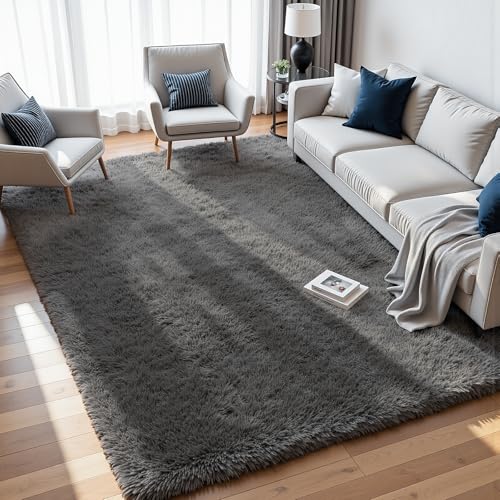 8x10 Fluffy Shag Area Rugs for Living
- [Ultra Soft Fluffy Area Rugs for Living Room]…
- [Memory Foam Comfort & Long-Lasting Softness] Sink into…
- [Improved Stability for Everyday Living] Designed for daily…

As an Amazon Associate we earn from qualifying purchases at no extra cost to you.
Start with the room, not the rug
The best rug depends on foot traffic, furniture layout and cleaning needs. A hallway or entry needs a tough, low-pile rug that resists soil and crushing. A bedroom can take softer, deeper pile. A dining room needs a flat surface that chairs slide over, and a living room works well with a mid-pile blend that feels good underfoot and hides daily wear.
At a glance
| Rug type | Example makers | Best for | Limits |
|---|---|---|---|
| Washable rug | Ruggable | Pets, kids, kitchens, entryways | Two-piece system; thinner feel underfoot |
| Machine-made synthetic | Safavieh, Nourison, Loloi, others | Budget to mid-range buyers wanting lots of styles | May flatten or shed over time depending on construction |
| Wool or wool-blend | Safavieh, Nourison, Loloi, many specialty makers | Living rooms, bedrooms, long-term use | Initial shedding; more care for stains |
| Hand-knotted or hand-tufted | Specialty makers and boutique brands | Statement rooms and long-term investment | Premium tier; professional cleaning advised |
| Jute and natural fibre | Various makers | Relaxed, textured look | Rougher underfoot; sensitive to moisture |
| Outdoor rug | Various makers | Patios and covered porches | Less plush; follow the maker’s weather notes |
Materials explained
Wool
Wool is a traditional choice known for resilience and comfort. Reviewers often note that wool rugs can shed loose fibres in the first weeks and need gentle vacuuming. Many makers advise against harsh cleaning agents, so follow the label.
Polypropylene and polyester
These synthetic fibres are common in budget and mid-range rugs. Makers highlight stain resistance and easier cleaning. Texture and softness vary by weave, and some low-cost versions may crush or show wear faster in heavy traffic areas.
Cotton and cotton blends
Cotton flatweaves and braided rugs can be machine-washable if the maker states it. They are soft but usually thinner and may need a pad.
Jute, sisal and seagrass
Natural-fibre rugs offer texture and a casual look. They are usually less soft and can stain or discolor with water, so they suit dry, lower-spill spaces.
Nylon and viscose blends
Nylon is resilient and often used in high-traffic rugs. Viscose or similar fibres add sheen but can be sensitive to moisture and staining, so makers often give specific care instructions.
Pile height and construction
- Flatweave. No pile, thin and easy to vacuum. Good under dining tables and in doorways.
- Low pile. Short fibres that hold up well in traffic and slide under doors more easily.
- Medium and high pile (shag). Soft and cozy, but they trap more dust and need careful vacuuming. Hard-to-clean for homes with allergies or pets, according to many reviewers.
- Machine-made vs hand-made. Machine-made rugs offer broad pricing and design choice. Hand-knotted and hand-tufted rugs are typically more expensive and are often valued for durability and craftsmanship.
Sizing guide
| Room | Common approach |
|---|---|
| Living room | Large enough that at least the front legs of seating sit on the rug |
| Dining room | Extends beyond the table so chairs stay on the rug when pulled out |
| Bedroom | Under the lower two-thirds of the bed, extending to each side |
| Hallway | Runner that leaves a few inches of floor visible on each side |
| Entry | Smaller, washable or easy-clean rug that can take mud and moisture |
Measure the space and use painter’s tape on the floor to preview the rug’s footprint before choosing a size.
Rug pads and floor safety
A pad prevents slipping, adds cushioning and can protect the floor. Choose a pad that the rug maker or pad maker says is compatible with your floor type, since some rubber or PVC pads can mark certain finishes. Keep rug corners flat and replace curling edges to reduce trip risk, especially where children or older adults walk.
Care and cleaning
- Vacuum regularly, using the setting that suits the pile. Turn off beater bars for delicate or high-pile rugs.
- Blot spills rather than rubbing, and follow the label’s cleaning guidance.
- Rotate the rug periodically to even out wear and sun exposure.
- For wool or hand-knotted rugs, consider professional cleaning at intervals the maker suggests.
- Washable systems such as Ruggable use a removable cover that is machine-washed according to the maker’s instructions.
Budget tiers
| Tier | What you typically get | Trade-offs |
|---|---|---|
| Budget | Machine-made synthetic rugs, thinner washable covers | Less cushioning; may wear sooner in heavy traffic |
| Mid-range | Wool blends, better synthetic construction, washable systems with pads | Good balance; some shedding or flattening over time |
| Premium | Hand-knotted or hand-tufted wool, specialty weaves | Highest cost; professional cleaning often recommended |
Pick X if
| Pick this | If you |
|---|---|
| Washable rug (Ruggable-style) | have pets, kids or a messy entryway |
| Low-pile synthetic | need a budget-friendly rug for high traffic |
| Wool or wool blend | want a comfortable, longer-lasting living room rug |
| Jute or natural fibre | like a textured look and keep the space dry |
| Hand-knotted | want a long-term statement piece and accept the cost |
Alternatives
- Carpet tiles. Modular squares that you can replace individually, useful for basements and offices.
- Layered rugs. Combine a large neutral base with a smaller accent rug for depth.
- Runner rugs. If a full room rug does not fit, runners protect high-traffic paths.
Colour, pattern and room feel
Pattern and colour affect how a rug ages. Busy patterns and mid-tone colours hide crumbs, dust and pet hair better than solid light shades. A solid pale rug looks clean and calm, but shows every mark and may need more frequent care. Distressed or vintage-style patterns have become popular partly because they mask wear. If you are choosing between two similar rugs, consider where the sun hits the floor, since strong direct light can fade some dyes over the years.
Think too about scale. A small pattern on a very large rug can look flat, while a bold pattern in a compact room can feel crowded. Look at product photos in room settings and compare them with your own space and furniture colours.
Allergies, shedding and indoor air
High-pile rugs can hold more dust and pet dander. If anyone in the home has allergies or asthma, a low-pile or flatweave rug that you can vacuum or wash easily is often a more practical choice, and a doctor can advise on specific health concerns. New rugs may have a faint smell at first, which many makers say fades after airing the rug in a ventilated room. Check the maker’s statements about materials and certifications if this matters to you.
Buying checklist
- Measure the room and tape out the footprint.
- Choose pile height by traffic and cleaning habits.
- Check fibre content and the maker’s care label.
- Decide on a pad and check it suits your floor.
- Check the return policy for large or custom sizes.
Where each rug type tends to work best
Entryways reward washable or easy-clean synthetic rugs, since mud, water and grit arrive there first. Kitchens do well with flatweave or washable runners that tolerate spills. Living rooms can take wool or wool blends, where comfort and appearance matter, and bedrooms are the place for softer, deeper pile that you step onto barefoot. Home offices with rolling chairs suit low-pile or flatweave rugs, since high pile makes chairs hard to move and wears quickly under casters. Outdoor spaces need rugs the maker explicitly rates for outdoor use.
Frequently Asked Questions
What size area rug should I buy?
Measure your furniture layout. Most guidance suggests the rug should be large enough to anchor the main seating or table, with at least the front legs of seating on it. Taping the floor helps visualise the size.
Are washable rugs worth it?
They suit homes with pets, children or frequent spills because the cover can be machine-washed per the maker’s instructions. They are generally thinner, so many buyers pair them with a pad for comfort.
Do wool rugs shed?
Many wool rugs release loose fibres at first. Regular, gentle vacuuming usually reduces shedding over time, though it varies by construction.
What rug is best for pets?
Low-pile, tightly woven rugs or washable covers are easier to clean. Avoid loops that can snag claws, and follow the maker’s cleaning guidance after accidents.
Do I need a rug pad?
Usually yes. A compatible pad improves grip and comfort and can protect floors. Check that the pad is safe for your floor finish.
How long does an area rug last?
It depends on fibre, construction, traffic and care. Tough wool and well-made hand-knotted rugs are often valued for long life, while light synthetics in high-traffic spaces may show wear sooner.
FAQ
What size area rug should I buy?
Are washable rugs worth it?
Do wool rugs shed?
What rug is best for pets?
Do I need a rug pad?
How long does an area rug last?
More from Amazon
Programs that pair well with the guide above. Offers and eligibility are set by Amazon and may change.
Free shipping on eligible items, Prime Video and more. Eligible new members can start with a free trial.
Start a Prime free trialAudiobooks and podcasts to listen to on the go. Eligible new members can start with a free trial.
Try Audible freeAd-free music streaming. Eligible new subscribers can start with a free trial.
Try Music Unlimited freeA free business account with business pricing and bulk-buying tools for work, shop or home office.
Create a business accountAs an Amazon Associate we earn from qualifying purchases.