
Key takeaways
- Combustion appliances: if a gas furnace or water heater vents near the attic, an attic fan can cause backdrafting of exhaust gases. Have a qualified professional evaluate this and install carbon monoxide alarms as local codes and the manuals direct.
- Electrical work: hardwired fans require correct wiring and circuit protection. Use a licensed electrician if you are unsure.
- Roof work: installing a roof fan involves cutting a hole and flashing it properly. Poor flashing causes leaks. Hire a roofing professional if you are not experienced.
- Fire safety: follow the maker’s clearance instructions and turn off power before service.
- Ladders and heat: attics are hot and cramped. Work in cooler hours and take breaks.
The best attic fan for most homes is a thermostat-controlled, hardwired gable or roof-mounted power vent sized to the attic’s floor area, a solar-powered unit suits sunny roofs when you want to avoid wiring, and a whole-house fan is a different product altogether for homeowners who want to pull cooler outside air through living spaces. The right choice depends on attic size, existing vents, roof type and, critically, whether any fuel-burning appliances share the air space.
Our top picks



As an Amazon Associate we earn from qualifying purchases at no extra cost to you.
Attic Fans at a Glance
| Type | Best for | Key features (as makers describe them) | Limits |
|---|---|---|---|
| Hardwired roof-mounted power vent (e.g. Master Flow, Lomanco) | Most pitched roofs with shingles | Electric motor, adjustable thermostat, listed CFM ratings | Requires wiring and roof penetration |
| Gable-mounted fan (Master Flow, Broan-type) | Homes with a gable end wall and enough free wall space | Mounts in the gable opening; thermostat optional | Pulls air best in line with intake vents; needs enough gable space |
| Solar attic fan (Attic Breeze, Natural Light, Solatube-type) | Sunny roofs, owners avoiding wiring | Solar panel powers the fan; no electricity bill | Output depends on sun; may not run on cloudy days |
| Hybrid solar / AC fan | Owners wanting sun plus a power backup | Solar panel plus an electric supply | More cost and complexity |
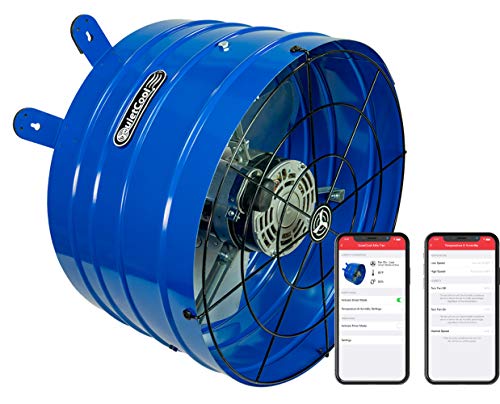
| Whole-house fan (QuietCool-type) | Homes with cool evenings and a need to cool living areas | Large fan mounted in the ceiling to move air through the house | Not an attic vent; needs open windows and proper attic venting |
What an Attic Fan Does
An attic fan exhausts hot air from an attic to reduce heat buildup. Makers and building-science sources say that in summer, attics can reach very high temperatures, which can add to cooling demand and stress shingles and insulation. The benefit varies, however, and some energy-efficiency experts note that powered attic ventilators can pull conditioned air out of the house through ceiling leaks if the attic is not well sealed. Air sealing, insulation and balanced intake and exhaust venting often matter as much as the fan itself. A roofing contractor, energy auditor or HVAC professional can advise on your house.
Sizing the Fan
CFM rating
Makers rate attic fans in cubic feet per minute. A commonly cited rule of thumb is to multiply the attic floor area by about 0.7 to get a target CFM, with adjustments for roof pitch, color and climate. Treat that as a starting point and compare it with the maker’s sizing guidance.
Intake ventilation
A fan needs replacement air. Many makers state that each fan requires a certain amount of net free intake vent area, often expressed as about one square foot per 300 CFM. Without enough soffit or other intake vents, the fan can strain or pull air from the living space instead.
Number of fans
Larger attics may need more than one fan or a different style. Do not simply install the biggest model you can find, because oversized fans can worsen depressurization.
Safety First
- Combustion appliances: if a gas furnace or water heater vents near the attic, an attic fan can cause backdrafting of exhaust gases. Have a qualified professional evaluate this and install carbon monoxide alarms as local codes and the manuals direct.
- Electrical work: hardwired fans require correct wiring and circuit protection. Use a licensed electrician if you are unsure.
- Roof work: installing a roof fan involves cutting a hole and flashing it properly. Poor flashing causes leaks. Hire a roofing professional if you are not experienced.
- Fire safety: follow the maker’s clearance instructions and turn off power before service.
- Ladders and heat: attics are hot and cramped. Work in cooler hours and take breaks.
Features to Compare
- Thermostat and humidistat: the thermostat starts the fan at a set temperature. A humidistat can help in damp climates.
- Motor type: brushless or high-efficiency motors may be quieter and last longer. Makers list motor details.
- Housing material: galvanized steel, aluminum or plastic. Coastal homes benefit from corrosion-resistant finishes.
- Flashing and curb: a flat or pitch-matched flange makes installation easier.
- Warranty: compare the motor and panel warranty lengths each maker lists.
- Noise: reviewers say that most attic fans are quiet from inside the house, but poorly balanced units can hum or rattle.
Budget Tiers
| Tier | What you usually get | Trade-offs |
|---|---|---|
| Budget | Basic hardwired roof or gable fan with a thermostat | Plain housing, shorter warranties, may be louder |
| Mid-range | Solar or hardwired fans with better motors and corrosion-resistant housings | Good value for most homes |
| Premium | High-output solar, hybrid fans or whole-house fans with controls | More capability, more installation work |
Pick X If… Decision Table
| Pick this | If you… |
|---|---|
| Hardwired roof-mounted fan | Have a shingle roof, a nearby power source and typical attic size |
| Gable-mounted fan | Have a gable wall with open space and want simpler installation |
| Solar attic fan | Have a sunny roof and want to avoid wiring |
| Hybrid fan | Want solar operation with a backup power option |
| Whole-house fan | Want to cool the home with evening air and have a suitable ceiling and venting |
| Passive vents (ridge, soffit) | Have no strong need for powered ventilation and want a low-maintenance solution |
Alternatives
- Ridge and soffit vents: passive ventilation that needs no power.
- Attic insulation and air sealing: reduces heat transfer and air leakage.
- Radiant barrier or reflective roofing: reduces heat gain at the roof.
- Whole-house fan: a different approach to cooling living space.
Common Mistakes
- Installing a fan without enough intake vents.
- Ignoring combustion appliance risks.
- Placing a roof fan too close to a ridge or gable vent that can short-circuit airflow.
- Skipping professional flashing and creating leaks.
- Assuming a fan alone can fix a poorly insulated attic.
Roof Type, Climate and Installation Notes
Shingle roofs
Roof-mounted fans with a flange are designed for standard asphalt shingles, and installers flash the base under upper shingles so water sheds correctly. Position the fan high on the roof slope, but keep it away from the ridge vent if one exists so the two do not draw air from each other.
Metal, tile and low-slope roofs
These roofs often need specific curbs or flashing kits. Follow the fan maker’s compatibility list and use an installer familiar with the roof type.
Hot and humid climates
Humid climates can be tricky because pulling humid outside air through the attic can add moisture. A humidistat and good air sealing can help, and a professional can advise on whether a powered unit makes sense in your area.
Cold climates
Attic ventilation helps prevent moisture buildup and ice dams, but a fan that runs in winter can waste heat. Thermostat settings matter, and many owners choose passive ventilation or switch off the fan in cold months, following the maker’s guidance.
Maintenance
- Inspect the fan each season for debris, bird nests and loose screws.
- Turn off power before cleaning or servicing a hardwired unit.
- Clean solar panels with a soft cloth and water as the maker allows.
- Listen for noisy bearings, which can indicate that the motor needs service or replacement.
- Inspect the roof flashing and sealant for cracks, which are a common leak source.
If the fan stops, runs constantly or trips a breaker, stop using it and call a qualified electrician or technician rather than bypassing the thermostat or controls.
Buying Notes
Compare the stated CFM, the recommended attic area, the thermostat range and the warranty on the motor and panel. Read the installation manual before purchase to see what roof flashing, wiring and clearance the model requires. Ask a local roofer or energy auditor whether your attic needs more intake venting or air sealing first, since those fixes sometimes deliver more benefit than a fan. Reviewers frequently mention noise, thermostat accuracy and leaks around the flashing, so look for comments on those points for the exact model.
Frequently Asked Questions
Do attic fans really save energy?
Results vary. A properly sized fan with enough intake vents can reduce attic temperatures, but some energy experts caution that fans can draw conditioned air from the house. Sealing ceiling leaks and adding insulation often matter as much.
Are solar attic fans effective?
They run when the panel gets enough sun, which is also when attics are hottest. Output depends on the panel size and weather, and makers list CFM ratings under test conditions, so treat them as a guide.
Can I install an attic fan myself?
Gable and solar fans can be manageable for experienced DIYers, but roof flashing and electrical wiring carry risks. If you are unsure, hire a roofer or electrician.
How many attic fans do I need?
It depends on attic size, roof design and the fan’s rating. Follow the maker’s sizing chart and consider a professional assessment.
Will an attic fan cause backdrafting?
It can if the attic is leaky and gas appliances vent nearby. Have a qualified HVAC technician evaluate your setup and use carbon monoxide alarms.
What is the difference between an attic fan and a whole-house fan?
An attic fan vents the attic space to reduce heat buildup, while a whole-house fan pulls air through the living area and out through the attic. They serve different goals and need different venting.
FAQ
Do attic fans really save energy?
Are solar attic fans effective?
Can I install an attic fan myself?
How many attic fans do I need?
Will an attic fan cause backdrafting?
What is the difference between an attic fan and a whole-house fan?
More from Amazon
Programs that pair well with the guide above. Offers and eligibility are set by Amazon and may change.
Free shipping on eligible items, Prime Video and more. Eligible new members can start with a free trial.
Start a Prime free trialAudiobooks and podcasts to listen to on the go. Eligible new members can start with a free trial.
Try Audible freeAd-free music streaming. Eligible new subscribers can start with a free trial.
Try Music Unlimited freeA free business account with business pricing and bulk-buying tools for work, shop or home office.
Create a business accountAs an Amazon Associate we earn from qualifying purchases.







