
Key takeaways
- Under one inch: Suited for pixie cuts, short bobs, bangs and small touch-ups. Also easier to pack in a travel bag.
- One inch: The most versatile size, good for straightening and for curling or waving by twisting the iron.
- 1.25 to 1.5 inches: A good middle for shoulder-length to long hair.
- Two inches or wider: Aimed at very long, thick hair. Bulky for curls and less accurate near the scalp.
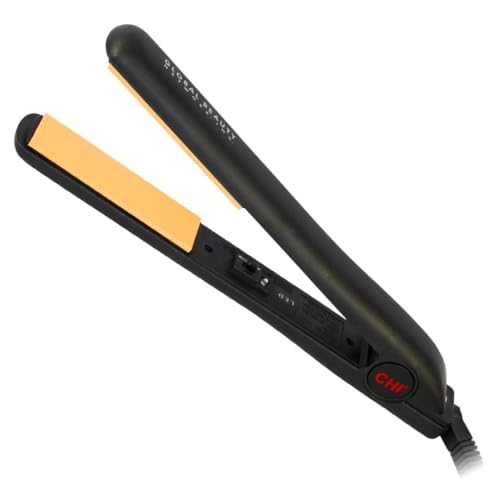
For most people, a ceramic or titanium flat iron with adjustable temperature and plates around one inch wide suits everyday straightening and light waves; a wider plate suits long, thick hair; a narrow plate suits short hair, bangs and close-to-the-root work; and a premium cordless or smart-sensor model suits buyers who want extra convenience and heat control. This guide compares plate materials, temperature features and size, and notes how well-known brands such as GHD, Dyson, T3, BaBylissPro, CHI and Remington position their lines, based on what the makers state.
Our top picks



As an Amazon Associate we earn from qualifying purchases at no extra cost to you.
Flat Irons at a Glance
| Type | Best for | Features makers state | Limits |
|---|---|---|---|
| Ceramic plate iron | Fine to medium hair, daily use | Smooth plates, adjustable heat | Coatings can wear with age |
| Titanium plate iron | Thick, coarse or resistant hair | Fast heat-up, higher maximum temperatures | Easy to overheat fine hair |
| Tourmaline-ceramic iron | Frizz-prone hair | Ion-generating mineral in the plate coating | Claims vary; results depend on technique |
| Wide plate (1.5 to 2 inches) | Long, thick hair | Larger plate covers more hair per pass | Less control near roots; bulky |
| Narrow plate (about half to three-quarter inch) | Short hair, bangs, travel | Compact size, precise placement | Slower on long hair |
| Cordless or smart-sensor iron | Heat-conscious buyers, travelers | Battery operation or heat sensors that adjust temperature | Premium tier; limited run time on battery |
| Steam flat iron | Some hair types seeking convenience | Water tank and steam vents | Needs distilled water; extra upkeep |
Plate Material: Ceramic, Titanium, Tourmaline
Plate material shapes how heat is delivered. Ceramic plates are widely described as delivering even heat and glide well, which is why they are common on mid-range irons. Titanium plates heat quickly and can reach high temperatures, so reviewers and makers often position them for thick or coarse hair. Tourmaline is a mineral added to coatings and is marketed as helping reduce static and frizz; different makers phrase this differently and results vary by hair type and technique. A plate that is described as floating or spring-loaded is designed to flex slightly, which can help reduce snagging.
Whatever the material, look for smooth plate edges. Sharp or poorly finished edges can catch hair and make styling uncomfortable. Plates that are removed or swapped are rare, so plate quality at purchase is what you live with.
Temperature Control and Hair Care
Adjustable temperature is the single most useful feature for hair health. Fine, bleached or damaged hair generally does better at lower settings, while thick or coarse hair may need more heat. Many stylists suggest starting low and increasing only as needed, and to avoid repeated passes over the same section. A digital display that shows the exact temperature is easier to repeat than a simple dial with low, medium and high.
Use a heat protectant spray, and let hair be fully dry before straightening. If you notice breakage, burning smell from hair, or scalp discomfort, stop using the tool and consider speaking with a licensed stylist or your doctor if scalp irritation persists. A flat iron is not appropriate on wet hair unless the maker states it is designed for that use.
Some premium irons, such as Dyson’s cordless Corrale line, are described by the maker as using flexible plates and sensors to manage heat. GHD describes its irons as using a sensor-controlled temperature at a fixed setting to simplify choices. T3 markets its irons with ceramic plates and adjustable settings. These are the makers’ own descriptions, and independent reviewers generally treat them as premium products with good build quality; actual results depend on your hair.
Plate Size and Hair Length
- Under one inch: Suited for pixie cuts, short bobs, bangs and small touch-ups. Also easier to pack in a travel bag.
- One inch: The most versatile size, good for straightening and for curling or waving by twisting the iron.
- 1.25 to 1.5 inches: A good middle for shoulder-length to long hair.
- Two inches or wider: Aimed at very long, thick hair. Bulky for curls and less accurate near the scalp.
Plate shape also matters. Slim, rounded-edge plates make it easier to add waves or flips. Flat, squared edges are better for pin-straight styles.
Safety and Handling
- Choose a model with an auto shut-off only if the maker states it; many do after a stated period of inactivity, and it is a useful feature.
- Keep the iron away from water, towels, bathroom sinks and flammable products such as hairspray cans.
- Place the iron on a heat-resistant surface or stand to cool. Never leave it on a bed or couch.
- Use a swivel cord to avoid tangling, and keep cords away from sinks and bathtubs.
- Keep out of reach of children and pets while hot, and allow the iron to cool fully before storing.
- Follow the manual for voltage and plug requirements, especially if traveling abroad. Dual-voltage models state compatibility, but a plug adapter may still be required.
Budget Tiers
- Budget: Ceramic or ceramic-coated plates with a few heat settings. Works for occasional use, though heat distribution and long-term plate durability may be weaker. Brands like Remington sit in this and the mid tier.
- Mid-range: Digital temperature, wider setting range, better plate coatings and longer cords. BaBylissPro and CHI are commonly cited in this territory by reviewers.
- Premium: Sensor-controlled or cordless designs, higher build quality, longer warranties and heat-up features. GHD, T3 and Dyson are typical brands. The added value is mostly convenience and consistency rather than a guaranteed healthier result.
Care and Maintenance
Unplug and let the iron cool before cleaning. Wipe plates with a soft damp cloth to remove product buildup; avoid abrasive pads, which can scratch coatings. Remove styling product residue regularly so it does not bake on. Store the iron in a heat-resistant pouch only when fully cool. Check the cord for kinks or cracks, and replace the iron if it shows damage.
Pick X If …
| Pick this | If you … |
|---|---|
| Ceramic one-inch iron with adjustable heat | want a safe all-rounder for daily use |
| Titanium iron | have thick, coarse hair that resists straightening |
| Wide plate iron | have long, thick hair and want to save time |
| Narrow plate iron | have short hair or bangs, or travel often |
| Premium sensor or cordless model | value heat control, portability and long warranties |
| Budget ceramic iron | style occasionally and want low commitment |
Alternatives
- Heated straightening brush: Easier for beginners and less likely to leave crease marks, though results are generally softer.
- Blow dryer with a smoothing attachment: Lower risk of high-heat damage.
- Professional smoothing treatments: Discuss with a licensed stylist, and follow aftercare directions.
Buying Checklist
Start by deciding how often you will style your hair and what result you want. Daily users benefit from adjustable temperature, a swivel cord of about eight feet or more, and a heat-up time that fits a busy morning; makers usually state heat-up in seconds or minutes. Look at the weight of the iron, since a heavy tool is tiring in the hand, and check the hinge feel: a firm, even clamp is easier to use than one that slips or pinches. Review the warranty length and what it covers, and read the manual’s guidance on temperature ranges for different hair types. Consider whether the product lists dual voltage if you travel. Think about the finishing details too, such as a lock switch that holds the plates closed for storage and a hang loop for easy hanging. If you have a sensitive scalp, a model with a longer plate edge helps you keep the plates away from the skin, and you can use a comb guard to separate hair from the scalp. Reviewers also advise sectioning hair into thin layers, which can reduce the number of passes needed and so reduce total heat exposure. Replace the iron if the plates become scratched or the temperature seems inconsistent, and never use a tool with a damaged cord.
Frequently Asked Questions
What temperature should I use?
Fine or damaged hair usually does better at lower settings, while thick or coarse hair may need more. Start low and raise it only if needed. Follow your iron’s manual and ask a licensed stylist if you are unsure.
Ceramic or titanium: which is better?
Ceramic is a common choice for fine to medium hair because it is often described as giving even heat. Titanium heats quickly and suits thicker hair. Neither guarantees damage-free results, so temperature control matters more than material.
Do I need a heat protectant?
It is widely advised by stylists. A heat protectant spray creates a barrier between the plate and hair and can reduce dryness. Apply it to dry hair before you start.
Can I curl hair with a flat iron?
Yes, models with rounded edges and a slim plate work best. Twist the iron as you slide down a section. Wide, squared plates make curling harder.
How long does a flat iron last?
Lifespan depends on use and build quality. Premium irons often come with longer warranties. Replace any iron with damaged plates, loose hinges or a frayed cord.
Can I travel with a flat iron?
Many people do. Let it cool completely before packing, and check that it is dual-voltage if you will use it abroad. A plug adapter may be needed, and cordless models should be packed following airline battery rules.
FAQ
What temperature should I use?
Ceramic or titanium: which is better?
Do I need a heat protectant?
Can I curl hair with a flat iron?
How long does a flat iron last?
Can I travel with a flat iron?
More from Amazon
Programs that pair well with the guide above. Offers and eligibility are set by Amazon and may change.
Free shipping on eligible items, Prime Video and more. Eligible new members can start with a free trial.
Start a Prime free trialAudiobooks and podcasts to listen to on the go. Eligible new members can start with a free trial.
Try Audible freeAd-free music streaming. Eligible new subscribers can start with a free trial.
Try Music Unlimited freeA free business account with business pricing and bulk-buying tools for work, shop or home office.
Create a business accountAs an Amazon Associate we earn from qualifying purchases.







