Key takeaways
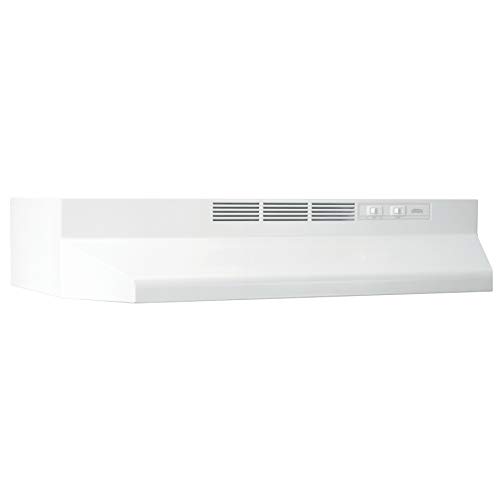
- Budget: Basic under-cabinet hoods from Broan-NuTone and similar makers. Adequate for lighter cooking, with simple controls and filters.
- Mid-range: Stainless steel wall-mount hoods from makers like Cosmo, Hauslane and XO with better filters and quieter blowers.
- Premium: Hoods from Zephyr, Faber, Vent-A-Hood and Kobe with quieter motors, custom finishes and advanced filtration options.
For most kitchens, a ducted wall-mount or under-cabinet range hood sized to your cooktop width and rated for adequate airflow is the best choice, while renters and kitchens without an outside vent are better served by a ductless recirculating hood or an over-the-range microwave with a filter. Pick the hood by venting method and airflow before you look at style.
A range hood captures heat, grease, smoke and moisture from cooking. How well it does so depends on capture area, airflow, ducting and installation. Brands such as Broan-NuTone, Zephyr, Cosmo, Vent-A-Hood, Faber, Hauslane, XO and Kobe offer products across all price levels, so the main task is matching the type to your kitchen.
Our top picks



As an Amazon Associate we earn from qualifying purchases at no extra cost to you.
At a Glance
| Hood type | Best for | Key points | Limits |
|---|---|---|---|
| Wall-mount chimney hood | Ranges against a wall, strong capture | Large capture area, wide design range | Needs ducting; visual presence |
| Under-cabinet hood | Standard kitchens with cabinets above | Compact, easy to fit, budget-friendly options from Broan-NuTone and others | Smaller capture area than chimney hoods |
| Island hood | Cooktops on kitchen islands | Ceiling-mounted, needs long duct run | More expensive; installation is more complex |
| Insert or liner | Custom cabinetry or wood hoods | Blower and filters fit inside a custom shell (Vent-A-Hood and Zephyr offer these) | Needs a cabinet maker or carpenter |
| Downdraft | Cooktops where overhead hoods are impractical | Rises from the counter behind the cooktop | Weaker capture for tall pots; many reviewers rank them lower |
| Ductless / recirculating | Apartments with no outside vent | Charcoal filters recirculate air | Does not remove moisture or heat, filters need replacing |
| Over-the-range microwave | Small kitchens | Two appliances in one | Typically weaker airflow than a dedicated hood |
The Specs That Matter
Airflow (CFM)
Airflow is listed in cubic feet per minute. Many ventilation guides use rules of thumb tied to cooktop width or to the heat output of burners, and makers often publish their own sizing guidance. Gas ranges with high-output burners and heavy frying generally call for more airflow than electric cooktops used for simmering. Building codes in many areas place requirements on makeup air when a hood moves a large volume of air, so ask your local building department or an HVAC professional before choosing a very powerful unit.
Noise (sones)
Noise is rated in sones, with lower numbers meaning quieter operation. Makers sometimes list sones at a low setting and CFM at the highest setting, which can make comparisons misleading. Compare both at the same speed where possible. Independent reviewers frequently note that a hood too loud to run is a hood that does not get used.
Width and height
Hoods are commonly selected to be as wide as the cooktop, and many guides suggest going wider for better capture. Mounting height over the cooktop is specified by the maker, and it varies depending on the cooktop fuel type. Follow the installation manual, and do not mount lower than the stated minimum.
Filters
Baffle filters (stainless steel) and mesh filters trap grease. Baffle filters are widely preferred because they are sturdy and can be washed, with many being dishwasher safe if the maker says so. Ductless units add carbon filters that need regular replacement.
Ducting
Performance depends heavily on duct size, length and bends. A short, straight run of correct diameter works best, and every elbow reduces airflow. Duct to the outdoors, not into an attic or soffit. This is one of the most common installation mistakes, so follow the manual and local code.
Lighting and controls
LED lights, multi-speed fans and delay-off timers are common. Touch controls look neat, but physical buttons are easier to use with greasy hands.
Budget Tiers
- Budget: Basic under-cabinet hoods from Broan-NuTone and similar makers. Adequate for lighter cooking, with simple controls and filters.
- Mid-range: Stainless steel wall-mount hoods from makers like Cosmo, Hauslane and XO with better filters and quieter blowers.
- Premium: Hoods from Zephyr, Faber, Vent-A-Hood and Kobe with quieter motors, custom finishes and advanced filtration options.
Installation and Safety
- Hire a licensed electrician for hardwiring or new circuits.
- Follow the maker’s clearances above combustible surfaces and cooktops.
- Use rigid metal duct where the manual calls for it and seal joints per code.
- Clean grease filters regularly to reduce fire risk from grease buildup.
- If you use a gas range, ask a professional whether your home needs makeup air for the hood you plan to install.
Cleaning and Care
Wash filters with warm soapy water on the schedule recommended by the maker, and wipe the hood exterior with a non-abrasive cleaner appropriate to the finish. Stainless steel should be cleaned along the grain. Replace carbon filters on ductless hoods as directed, because they stop absorbing odors once saturated.
Pick X If… Decision Table
| Pick this | If you… |
|---|---|
| Wall-mount chimney hood | Have a wall range and a duct path outside |
| Under-cabinet hood | Have cabinets above the range and light-to-moderate cooking |
| Island hood | Cook on an island and can run ducting through the ceiling |
| Insert with custom hood | Are building cabinetry or a custom surround |
| Ductless hood | Cannot vent outdoors, accepting reduced performance |
| Over-the-range microwave | Need to save space in a small kitchen |
What Reviewers Commonly Say
Independent appliance reviewers tend to agree that capture area, installation and ducting often matter more than raw CFM numbers. A powerful fan with poor ducting can underperform, and a quiet hood is more likely to be used. They also point out that stated CFM values are measured under laboratory conditions that differ from real kitchens. Use the numbers as a guide, not a promise.
Alternatives
- Window or wall exhaust fan: A simpler way to move air out in a small kitchen.
- Portable air purifier: May reduce odors and particles but does not remove heat or moisture like a ducted hood.
- Induction cooktop: Produces less heat and fewer combustion byproducts than gas, though a hood is still helpful.
Planning the Installation
Before buying, trace the path the air will take. Where will the duct exit the house, how long is the run, and how many turns does it make? A hood that looks perfect but requires a complicated duct path may cost more to install than the hood itself. Wall exits are usually simplest, roof exits require flashing and weatherproofing, and island hoods need a vertical run through the ceiling.
Measure the cooktop width, the distance to the ceiling and any cabinets on either side. Chimney hoods often come with extension kits for different ceiling heights, so look at the range of heights the maker supports. Make sure the electrical supply is where the hood needs it, as some models plug in and others are hardwired.
Cooking Habits and Hood Choice
- Frequent wok or high-heat cooking: look for strong capture, deep canopy and powerful but quiet motors.
- Light everyday cooking: a modest under-cabinet hood with good filters may be enough.
- Baking and simmering: moisture removal matters more than raw power.
- Open-plan living: noise levels matter, since the hood runs in the same space where you relax.
Smart and Convenience Features
Some hoods offer sensors that adjust fan speed, app control or filter-cleaning reminders. These can be handy, though they add cost and complexity. Basic controls that are simple and reliable are often preferable to a long list of features you may never use. Consider the warranty and the availability of replacement filters and lights.
Finally, set a realistic total budget that includes the hood, ducting, wall or roof caps, electrical work and installation labor. Buyers often focus on the hood price alone and are surprised by the extras, so list every item before you commit and compare complete quotes.
Frequently Asked Questions
How many CFM do I need for a range hood?
It depends on your cooktop size, fuel type and cooking style. Makers and ventilation guides publish sizing rules, and very high airflow may require makeup air. Ask a local professional if you are unsure.
Is a ductless hood any good?
It can reduce some odors and smoke but does not exhaust heat or moisture outside. It is a fallback when ducting is impossible. Replace the filters as the maker directs.
Should the hood be wider than my cooktop?
Many guides suggest matching or slightly exceeding the cooktop width, as it improves capture. Follow the maker’s recommendations for your model.
How high should I mount a range hood?
The maker’s manual gives a minimum and often a recommended range above the cooking surface. Gas and electric ranges can differ, so follow the instructions and local code.
Can I install a hood myself?
Some homeowners handle it, but electrical work and ducting have code requirements. A licensed electrician and an experienced installer reduce the risk of errors and fire hazards.
How often should I clean the filters?
Cleaning frequency depends on how often you cook and how greasy the food is. Many makers suggest monthly cleaning for heavy use, so follow the manual and clean sooner if you see buildup.