Key takeaways
- Removing the old head: Turn the head counterclockwise by hand or with a cloth-wrapped wrench to avoid scratching.
- Thread tape: Wrap plumber’s tape clockwise around the shower arm threads, then hand-tighten the new head and give a gentle final turn with a wrench.
- Leaks: Persistent drips usually mean tape or washer issues rather than the head itself.
- Cleaning: Rub nozzles regularly. For mineral deposits, many makers suggest soaking in diluted white vinegar for the time they recommend, depending on finish. Some finishes can be damaged by vinegar, so follow the manual.
- Flow restrictors: Do not remove built-in flow restrictors where local rules require them. Removing them may breach local regulations and affect warranty.
- Hot water safety: Test water temperature before stepping in, especially with children, older adults or anyone with reduced sensation.
The best shower head for most people is a 2.0 gallons-per-minute (gpm) or lower model with a mix of spray settings from a trusted maker like Moen, Delta, Hansgrohe or Kohler, while those who want a rainfall feel should look at a wide fixed head, and those who want flexibility should choose a handheld combo. Decide by water pressure, spray style, mounting, and any limits on flow set by your region.
Our top picks


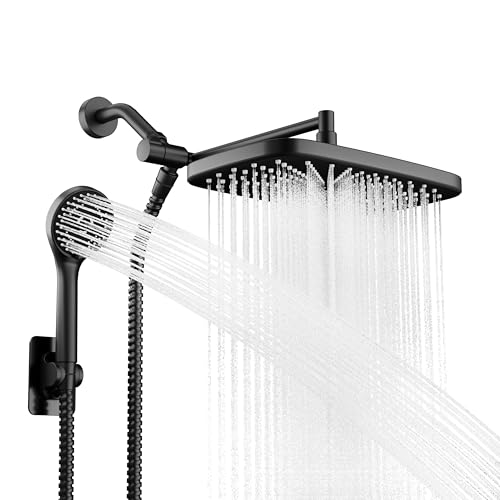
As an Amazon Associate we earn from qualifying purchases at no extra cost to you.
Shower Head Types at a Glance
| Type | Best for | Key traits | Limits |
|---|---|---|---|
| Delta H2Okinetic fixed heads | Strong, consistent spray at lower flow | Maker describes a design that shapes droplets for a fuller feel | Mid-range tier |
| Moen Engage and Magnetix | Multi-spray and handheld flexibility | Several spray patterns, magnetic dock on some models | More parts to maintain |
| Hansgrohe Raindance and Croma | Premium feel, wide coverage | Multiple spray modes, anti-limescale nozzles per maker | Premium tier |
| Kohler fixed and handheld | Matching Kohler fixtures | Wide choice of finishes and sizes | Mid-range to premium |
| Speakman and High Sierra | Strong feel with water-saving flow | Marketed for good performance on low flow | Fewer styles |
| Rainfall (large fixed) heads | Spa-like drizzle | Large faceplate, gentle coverage | Weaker rinse; needs adequate pressure |
| Filtered shower heads (Aquasana, Jolie, others) | Chlorine-sensitive users | Replaceable cartridge | Cartridges need replacing; claims vary |
Flow rates, finishes and spray modes are the maker’s stated features; they vary by model and year, so confirm them on the maker’s page for the exact model.
How to Choose a Shower Head
Flow rate
US federal rules limit new shower heads to 2.5 gpm at 80 psi. Models carrying the EPA WaterSense label are limited to 2.0 gpm and must meet performance criteria. Many makers sell 1.75 gpm or even 1.5 gpm heads for areas with strict water-saving requirements. Lower flow cuts water and heating use, but how it feels depends on the design.
Water pressure
Low household pressure makes some heads, especially large rainfall types, feel weak. In that case, look for designs the maker describes as pressure-boosting or choose a smaller head with a concentrated spray. High-pressure homes may prefer aerated or multi-hole heads that soften the spray.
Spray patterns
Common patterns include full-body, rain, massage, mist and pulse. More modes mean more parts to clean and may mean more places for mineral buildup. Many people use two or three modes regularly.
Fixed, handheld or combo
Fixed heads attach directly to the shower arm. Handheld heads on a hose are useful for rinsing the tub, washing pets and accessibility. Combos offer both, with a diverter to switch.
Size and installation
Most heads use standard half-inch threading and attach to a standard shower arm. You usually need pipe tape and a wrench. Extension arms raise a head for taller users. Rainfall heads may need an overhead mount, which can involve plumbing work.
Finish and material
Chrome, brushed nickel and matte black are common finishes. Metal bodies tend to feel more solid, while plastic faceplates resist heat and are lighter. Rubber nozzles help wipe off scale.
Water quality
Hard water leads to mineral buildup. Silicone or rubber nozzles that you can rub clean help. Filtered heads claim to reduce chlorine, but independent performance varies and they require cartridge replacement. If you have skin or health concerns, consult a doctor rather than relying on a shower head.
Budget tiers
Budget tier: Basic fixed or handheld heads with a few settings. They are fine for most homes if water pressure is decent.
Mid-range tier: Delta H2Okinetic, Moen Engage and similar. This is the best balance of performance and durability for most buyers.
Premium tier: Hansgrohe, Kohler and designer rainfall systems with large faceplates and sophisticated nozzle designs.
Our Picks by Situation
Best all-rounder: Delta H2Okinetic or Moen Engage
These two lines are frequently mentioned in reviews for strong, comfortable spray at moderate flow rates. Delta emphasizes its droplet design, and Moen offers multiple spray modes and handheld options. They suit most households.
Best for premium feel: Hansgrohe Raindance
Hansgrohe offers a range of spray modes with large faceplates and easy-clean nozzles, according to the maker. Their price tier is higher.
Best for matching fixtures: Kohler
Kohler provides heads, arms and valves in coordinating finishes, handy for a bathroom remodel.
Best for low flow with good feel: Speakman or High Sierra
These makers market low-flow heads designed to maintain pressure. If your local rules cap flow, they are worth a look.
Best for flexibility: handheld combo
A combo lets you use a fixed head for showering and a handheld for cleaning or hair washing. It also helps people who prefer to sit or have limited mobility.
Best for rainfall lovers: large fixed head
These give a gentle drizzle. They can feel less powerful for rinsing shampoo, and low-pressure homes may find them disappointing.
Pick X If …
| Pick this | If you … |
|---|---|
| Delta H2Okinetic | want strong feel at moderate flow |
| Moen Engage / Magnetix | want multiple spray modes or a handheld option |
| Hansgrohe Raindance | want premium feel and wide coverage |
| Kohler | are matching a bathroom fixture suite |
| Speakman or High Sierra | need strong feel under tight flow limits |
| Large rainfall head | want a gentle drizzle and have good pressure |
| Handheld combo | need flexibility for cleaning, kids or mobility |
Installation and Care
- Removing the old head: Turn the head counterclockwise by hand or with a cloth-wrapped wrench to avoid scratching.
- Thread tape: Wrap plumber’s tape clockwise around the shower arm threads, then hand-tighten the new head and give a gentle final turn with a wrench.
- Leaks: Persistent drips usually mean tape or washer issues rather than the head itself.
- Cleaning: Rub nozzles regularly. For mineral deposits, many makers suggest soaking in diluted white vinegar for the time they recommend, depending on finish. Some finishes can be damaged by vinegar, so follow the manual.
- Flow restrictors: Do not remove built-in flow restrictors where local rules require them. Removing them may breach local regulations and affect warranty.
- Hot water safety: Test water temperature before stepping in, especially with children, older adults or anyone with reduced sensation.
Alternatives to Consider
- Dual shower head systems: A fixed head plus a handheld on a single arm.
- Filtered shower heads: Attach a filter to your existing head if you have concerns about chlorine. Cartridge claims vary, so read what the maker says it removes.
- Shower systems with body sprays: More involved plumbing, typically installed during a remodel.
- Pressure-boosting pumps: A plumber can advise if low pressure is a house-wide issue.
Common Mistakes to Avoid
- Judging by faceplate size: A bigger head is not always a stronger shower. Nozzle design and pressure matter more than diameter.
- Overtightening the connection: Excess force can crack plastic fittings or damage the arm. Hand-tighten, then use a gentle wrench turn.
- Skipping thread tape: A missing wrap is a common reason for drips at the arm.
- Removing the flow restrictor: It may be against local rules and can void warranty. Pick a head with a feel you like at the allowed flow instead.
- Neglecting cleaning: Mineral buildup narrows nozzles and changes the spray. Regular rubbing of the nozzles keeps the pattern even.
- Choosing too many modes: Extra settings add moving parts. Many people end up using one or two, so prioritize a main pattern you enjoy.
It also helps to know your home’s pressure before shopping. A simple pressure gauge that screws onto a hose bib gives a rough reading, and a plumber can advise if the number is unusually low or high.
Frequently Asked Questions
What flow rate should I look for?
US rules cap new shower heads at 2.5 gpm, and WaterSense-labeled models use 2.0 gpm or less. Many people are comfortable at 1.75 to 2.0 gpm with a well-designed head. Local rules may be stricter in some places.
Will a low-flow shower head feel weak?
It depends on the design. Models that mix air or shape droplets are made to feel fuller at lower flow, but individual preference varies. If you are unhappy with a head, try a smaller faceplate or a different spray pattern.
Do rainfall shower heads need high water pressure?
Large rainfall heads spread water over a wider area, so they can feel gentle even at normal pressure. In low-pressure homes they may feel weak. A smaller head or one designed for low pressure can help.
How do I remove mineral buildup?
Soak the head in diluted white vinegar if the maker approves for your finish, then rub the nozzles with a soft brush. Rinse thoroughly. Some finishes such as brass or matte black can be damaged by acid, so follow the care instructions.
Are filtered shower heads worth it?
They may reduce chlorine, according to makers, but independent evidence on benefits varies and cartridges need replacement. They are optional, and anyone with a skin condition should talk to a doctor.
Can I install a shower head myself?
Most fixed and handheld heads attach to the existing arm and take a few minutes with tape and a wrench. Overhead rain systems or changes to the plumbing may need a plumber.