Key takeaways
- AFUE: Annual Fuel Utilization Efficiency shows how much fuel becomes heat. Mid-efficiency furnaces are around the 80 percent range and condensing furnaces are 90 percent and above, according to the makers’ stated ratings.
- Stages: Single-stage furnaces run at full output, two-stage run at low and high, and modulating furnaces adjust output more finely for steadier comfort.
- Blower motor: Variable-speed blowers move air more quietly and can improve evenness of temperature. They also help with continuous fan operation and air filtration.
- Venting: Condensing furnaces typically vent through plastic pipe (PVC) and drain condensate, while 80 percent furnaces vent through a flue.
- Heat output: Furnaces come in input sizes measured in BTU per hour. A larger unit is not automatically better, and oversizing can cause short-cycling.
For most homeowners in cold climates, a high-efficiency condensing gas furnace with a variable-speed blower from Carrier, Trane, Lennox, Rheem or a similar maker is the best long-term fit, while a mid-efficiency or builder-grade model such as Goodman suits a tight budget or a milder climate. The right choice depends mainly on your climate, ductwork, home size and the quality of the installer, which matters as much as the brand.
Our top picks

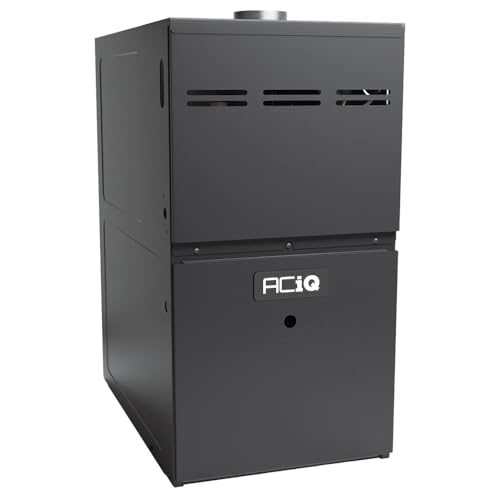

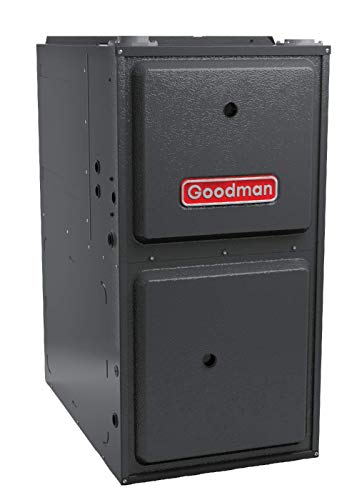
As an Amazon Associate we earn from qualifying purchases at no extra cost to you.
Professional sizing and installation are essential
A gas furnace is a combustion appliance. It must be sized by a qualified heating contractor using a load calculation for your home, installed per the maker’s instructions and local codes, and vented correctly. A carbon monoxide alarm should be installed on each level and near sleeping areas, and a gas smell means leaving the building and calling the gas supplier or emergency services. This guide gives general information, not installation instructions.
Key terms
- AFUE: Annual Fuel Utilization Efficiency shows how much fuel becomes heat. Mid-efficiency furnaces are around the 80 percent range and condensing furnaces are 90 percent and above, according to the makers’ stated ratings.
- Stages: Single-stage furnaces run at full output, two-stage run at low and high, and modulating furnaces adjust output more finely for steadier comfort.
- Blower motor: Variable-speed blowers move air more quietly and can improve evenness of temperature. They also help with continuous fan operation and air filtration.
- Venting: Condensing furnaces typically vent through plastic pipe (PVC) and drain condensate, while 80 percent furnaces vent through a flue.
- Heat output: Furnaces come in input sizes measured in BTU per hour. A larger unit is not automatically better, and oversizing can cause short-cycling.
At a glance
| Brand and line | Best for | Key stated features | Limits |
|---|---|---|---|
| Carrier (Performance and Infinity series) | Buyers wanting a broad range and a strong dealer network | The maker lists single-stage through modulating models and 80 to 98 percent AFUE ranges | Premium lines cost more; availability depends on local dealers |
| Trane (S9 and XC/XR series) | Reliability-minded buyers | Two-stage and variable-speed options, with condensing models | Higher installed cost |
| Lennox (Dave Lennox Signature and Merit) | Quiet, high-efficiency performance | Modulating and variable-capacity models in the higher tier | Premium; sold through dealers |
| Rheem and Ruud | Mid-range efficiency and value | Several efficiency levels, two-stage and modulating options | Features vary by line |
| Goodman and Amana | Budget to mid-range | Wide range of efficiencies at accessible tiers | Warranty terms and quality depend on the line and installer |
| York and American Standard | Mainstream replacement | Single and two-stage models with different AFUE ratings | Fewer premium features in basic lines |
Premium: modulating, variable-speed models
Lines such as Carrier Infinity, Trane’s top-tier S9V2 and Lennox Signature are positioned at the high end. Makers describe modulating gas valves and variable-speed blowers that adjust output in small steps, aiming to reduce temperature swings and noise. Reviewers who compare furnaces generally say these benefits are most noticeable in larger or uneven homes and for people sensitive to cycling noise. They also cost more, and the controls and thermostat may need to match the furnace for full function.
Mid-range: two-stage condensing furnaces
Two-stage condensing models from Carrier, Trane, Rheem and Lennox offer a balance. Running at lower output for much of the time can improve comfort and efficiency compared with single-stage models. For most cold-climate homeowners, this tier is described by industry outlets as a sensible target. Check that your home can handle the venting requirements and has a drain for condensate.
Budget: single-stage and mid-efficiency
Goodman, Amana, York and entry lines from larger brands provide single-stage furnaces at lower prices. An 80 percent furnace might make sense in a mild climate or where venting a condensing model would be difficult, but it will cost more to run in cold winters. Compare long-term running costs, not only the purchase tier.
Fit and compatibility notes
- Ducts: Poorly sized or leaky ducts reduce performance of any furnace. Ask the contractor to assess them.
- Size and orientation: Furnaces come as upflow, downflow or horizontal. Make sure the model matches your space.
- Air conditioning: If you have central air, the furnace’s blower and coil must be compatible with the cooling system.
- Thermostat: Communicating systems may require the maker’s own thermostat. Standard systems work with many models.
- Maintenance: Change filters as directed and schedule annual professional inspection.
- Warranty: Check what the heat exchanger warranty covers and whether registration is required.
Budget tiers
- Budget: Goodman, Amana, York or entry lines, single-stage.
- Mid-range: Two-stage condensing furnaces from Rheem, Carrier Performance, Trane and others.
- Premium: Modulating variable-speed lines from Carrier Infinity, Lennox and Trane.
Pick X if…
| If you… | Pick |
|---|---|
| Live in a cold climate and plan to stay long term | High-AFUE condensing furnace |
| Want the quietest, most even comfort | Modulating variable-speed model |
| Need a balance of cost and comfort | Two-stage condensing furnace |
| Live in a mild climate on a tight budget | Single-stage furnace, such as Goodman |
| Cannot vent a condensing unit | 80 percent furnace after a contractor review |
| Want a strong local service network | Brand with a trusted local dealer |
Alternatives
- Heat pumps: Electric heat pumps, including cold-climate models, can replace or supplement a furnace and may qualify for incentives in some regions.
- Dual-fuel systems: A heat pump with a gas furnace backup can switch sources based on outdoor temperature.
- Boilers: Homes with hydronic heating use boilers rather than forced-air furnaces.
Sizing, ducts and comfort
An oversized furnace heats the house quickly, then switches off, which can cause uneven temperatures and extra wear. Contractors typically use a load calculation that accounts for insulation, windows, climate and house size rather than simple rules of thumb. Ask to see the calculation. At the same time, ask about ductwork: undersized returns or leaky joints can cause noise and cold rooms regardless of how good the furnace is. Fixing the ducts, sealing air leaks and improving insulation sometimes deliver bigger comfort gains than upgrading to a more expensive furnace.
Warranties and service
Many makers offer a long limited warranty on the heat exchanger, often in the range of 10 years or a lifetime for the original owner, but the terms vary and usually require registration within a set time. Labour is often not covered after the first year unless you buy an extended plan. Because the installer typically services the unit, a reputable local contractor with good references is arguably as important as the badge on the cabinet. Get at least two or three written quotes that list the exact model numbers so you can compare like with like.
Noise, filtration and extras
Variable-speed blowers are generally quieter, and some allow continuous low-speed fan operation, which can improve air filtration when paired with a good filter. Check the filter size and how easy it is to change, since a clogged filter reduces airflow and strains the blower. Some furnaces offer humidifier connections, Wi-Fi thermostats and diagnostic displays. These extras are useful, though they add cost and should not displace the basics of correct sizing and installation.
Efficiency incentives and running costs
Higher-efficiency furnaces may qualify for utility rebates or tax incentives in some regions, and programs change often, so ask your contractor and local utility what applies. Estimate running costs by comparing the AFUE ratings against your local gas prices and the length of your heating season. In a mild climate the extra cost of a top-efficiency furnace may take many years to repay, while in a cold climate it can come back sooner. A heat pump or dual-fuel system might also be worth pricing at the same time, since a contractor can often quote both.
Annual maintenance and safety checks
Schedule a professional inspection each year before the heating season. A technician typically checks the burners, heat exchanger, flue, ignition and safety controls, and can clean or adjust components. Between visits, keep the area around the furnace clear of storage and flammable liquids, replace filters on the schedule the maker gives, and test your carbon monoxide alarms. Keep the condensate drain clear on high-efficiency models, because a blocked drain can shut the furnace down.
Frequently Asked Questions
What AFUE should I choose?
Higher AFUE means less fuel wasted. In cold climates, a 90 percent or higher furnace typically pays back more quickly, whereas in milder areas the savings may be modest.
Can I replace a furnace myself?
Combustion appliances require a qualified installer for safety and code compliance. Doing it yourself can be dangerous and may void the warranty.
How long does a gas furnace last?
Many furnaces last 15 years or longer with maintenance, but lifespan depends on use, installation quality and the maker. Annual inspection helps catch problems early.
Is a two-stage furnace worth it?
It can improve comfort and quiet operation because it runs longer at lower output. The benefit depends on your home and climate, so discuss it with your contractor.
Do I need a new thermostat?
Some premium systems need the maker’s thermostat for full features. Basic furnaces work with standard thermostats, so check the compatibility list.
What should I do if my carbon monoxide alarm sounds?
Leave the building, call emergency services and do not re-enter until it is declared safe. Have the furnace inspected by a qualified technician before using it again.
FAQ
What AFUE should I choose?
Can I replace a furnace myself?
How long does a gas furnace last?
Is a two-stage furnace worth it?
Do I need a new thermostat?
What should I do if my carbon monoxide alarm sounds?
More from Amazon
Programs that pair well with the guide above. Offers and eligibility are set by Amazon and may change.
Free shipping on eligible items, Prime Video and more. Eligible new members can start with a free trial.
Start a Prime free trialAudiobooks and podcasts to listen to on the go. Eligible new members can start with a free trial.
Try Audible freeAd-free music streaming. Eligible new subscribers can start with a free trial.
Try Music Unlimited freeA free business account with business pricing and bulk-buying tools for work, shop or home office.
Create a business accountAs an Amazon Associate we earn from qualifying purchases.