
Key takeaways
- A deadlift bar is usually longer than a standard 7 foot Olympic bar, so measure your rack width, wall space and plate storage.
- Check the weight rating on the bar, and use collars on every lift.
- The bar must accept Olympic plates, which have a 2 inch hole; some bars are not rated for Olympic bumper-plate drops, so read the maker’s guidance on dropping.
- If you share the bar with others, a standard 20 kg specification is easier to program around than a specialty length, and many gyms will not accept long bars on a power rack.
A dedicated deadlift bar suits lifters who pull heavy often and want a longer, thinner, whippier bar, while a quality power bar suits anyone who also squats and benches with the same barbell, and a multipurpose bar is the sensible pick for a home gym with one barbell. The right choice depends on your goals, your rack space and how much you value specialized feel over versatility. This guide uses maker-published specifications and independent equipment reviews, and it avoids pricing in favor of budget tiers.
Our top picks


As an Amazon Associate we earn from qualifying purchases at no extra cost to you.
At a Glance: Deadlift Bar Options
| Bar | Best for | Key stated specs | Limits |
|---|---|---|---|
| Rogue Ohio Power Bar | Powerlifters who squat, bench and pull on one bar | Power-bar shaft with aggressive knurling, 29 mm class shaft per the maker | Stiffer than a deadlift bar; less whip |
| Rogue Texas Deadlift Bar | Lifters who want a longer, flexible bar for pulls only | Longer sleeve length and a thinner shaft, per the maker | Not for squats or bench; needs wide rack space |
| Eleiko Power Bar and similar competition models | Competitive lifters and high-use gyms | IPF-style specifications, premium finish | Premium tier |
| Titan Series deadlift bar | Budget-conscious lifters wanting a dedicated bar | Longer bar with reduced shaft diameter listed by the maker | Finish and consistency vary by batch |
| Rep Fitness deadlift and power bars | Mid-range value for home gyms | Several shaft and coating options per the maker | Fewer long-term outlet reports than the largest brands |
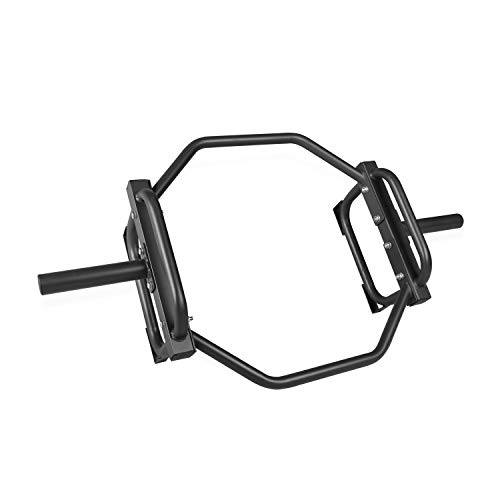
| Trap or hex bar | Beginners, athletes, and those with back concerns | Neutral grip, center-of-mass loading | Different movement from a straight-bar deadlift |
Check the maker’s page for the current shaft diameter, tensile strength, load rating and sleeve length before purchase, since these differ by model year.
What Makes a Deadlift Bar Different
Three traits separate a dedicated deadlift bar from a general bar. First, the shaft is typically thinner, often around 27 mm instead of 28 to 29 mm, which makes the grip easier to close. Second, the bar is usually longer, with a flex that lets plates slightly bend before the weight leaves the floor, which many lifters say helps a pull start more smoothly. Third, the knurling is generally sharper and more continuous. These traits help conventional and sumo pullers, but they make the bar less ideal for squats, benches and presses because of its shaft length and whip.
Key Specs to Compare
Shaft diameter
Thinner shafts around 27 mm suit smaller hands and grip-limited pulls. Shafts around 28 to 29 mm are common on power bars and feel more stable for pressing.
Tensile strength
Makers list this in PSI. Higher values generally indicate a bar better able to resist permanent bending under heavy loads. Use the number as a sanity check; reputable makers publish it, and low-cost bars sometimes do not.
Knurl pattern and depth
Aggressive knurling secures the grip but can tear skin on high-rep days. Medium knurling is easier on hands. Look for a clear description of the knurl pattern, and a center knurl or not depending on your squat use.
Coating
Bare steel feels grippy and ages naturally but needs oiling. Black zinc, Cerakote, stainless and chrome resist rust at different levels. Humid garages usually favor Cerakote or stainless; check the maker’s care instructions.
Sleeve rotation and length
Bushings are common and durable on budget bars. Needle bearings are described as smoother and show up on premium bars. A longer sleeve helps if you stack many plates for a heavy pull.
Fit, Rack and Compatibility Notes
- A deadlift bar is usually longer than a standard 7 foot Olympic bar, so measure your rack width, wall space and plate storage.
- Check the weight rating on the bar, and use collars on every lift.
- The bar must accept Olympic plates, which have a 2 inch hole; some bars are not rated for Olympic bumper-plate drops, so read the maker’s guidance on dropping.
- If you share the bar with others, a standard 20 kg specification is easier to program around than a specialty length, and many gyms will not accept long bars on a power rack.
Safety Notes
Heavy deadlifts put significant load on the spine, hips and grip. Beginners should learn technique with a coach or experienced lifter, start light and progress gradually. If you have back pain or a prior injury, talk to a physician or physical therapist before pulling heavy. Use collars, inspect the bar for bends or cracks before lifting, and follow the maker’s load rating.
Pick X If… Decision Table
| If you… | Pick |
|---|---|
| Only have room for one barbell | A power bar such as the Rogue Ohio Power Bar |
| Pull heavy and want a longer, thinner bar | A dedicated deadlift bar like the Texas Deadlift Bar |
| Compete in sanctioned events | A competition-spec bar from a brand like Eleiko |
| Want the lowest cost for a dedicated bar | A budget bar from Titan or similar, accepting variable finish |
| Have back or grip concerns | A hex bar, after talking to a professional |
| Train in a humid garage | A Cerakote or stainless bar with regular wipe-downs |
Budget Tiers
Budget: Entry-level bars with zinc or black finishes and bushings. They work for most beginners, though finish durability and knurl consistency vary.
Mid-range: Rogue, Rep and similar brands offering Cerakote options and clear tensile ratings. This tier covers most serious home lifters.
Premium: Eleiko, Rogue stainless and other competition-grade bars, with needle bearings and tight tolerances. The gains are in feel, longevity and consistency.
Alternatives
- Hex or trap bar: a neutral grip that many lifters find friendlier to the lower back, with a different movement pattern.
- Multipurpose or training bar: a 28 mm bar with moderate knurling for squats, presses and pulls, good for general fitness.
- Safety squat or cambered bars: not deadlift tools, but useful as a complement in a program.
Common Mistakes When Buying a Deadlift Bar
The biggest mistake is buying a specialty bar before the lifts justify it. If your pulls are still well below what a standard bar can manage, a general bar will serve you just as well and keep options open for squats and presses. Another mistake is ignoring length: a longer bar can hit rack uprights or wall space in a home gym and can be awkward in a rack designed for 7 foot bars. A third is assuming that a higher stated tensile strength guarantees a better bar. It is one measure of resistance to bending, and manufacturing quality, finish and consistency still matter, so read outlet reviews that discuss long-term use.
Care and Maintenance
Wipe the shaft with a dry cloth after sessions, and use a nylon brush to clear chalk from the knurling. Apply a light coat of oil if the maker recommends it for bare or lightly coated steel. Store the bar horizontally on rated racks or vertically in a holder that does not stress the sleeves, and avoid leaving it loaded for long periods, since this can encourage permanent bend. Inspect sleeves for looseness and rotate them by hand to confirm smooth spinning. If the bar develops a visible bend or crack, retire it and contact the maker.
Using a Deadlift Bar Safely
Warm up with progressively heavier sets and keep the bar close to the shins. Use collars for every set, load plates evenly and clear the floor of obstacles. Lifters with injuries or health conditions should consult a physician before heavy training, and anyone new to the lift benefits from coaching on bracing and hip hinge technique. A lifting belt, chalk and flat shoes are common accessories, and each is optional, depending on your goals.
Frequently Asked Questions
Do I need a dedicated deadlift bar?
Most lifters do not. A good power bar or general-purpose bar handles deadlifts well, and a dedicated bar mainly benefits people who pull heavy several times a week and care about the whip and thin shaft.
What shaft diameter is best for deadlifts?
Many lifters prefer about 27 mm, which makers commonly use on deadlift bars, because it is easier to grip. Standard bars at 28 to 29 mm remain perfectly workable and are more versatile.
Is a stiffer or whippier bar better?
It is a matter of preference. Whip can feel like a smoother pull from the floor, but some lifters find a stiffer bar more predictable. Whip also depends on how many plates are loaded and how far the sleeves extend.
Can I drop a deadlift bar?
Only if the maker says the bar is rated for it, and generally only with bumper plates on a suitable platform. Dropping steel plates on concrete can damage the bar, the plates and the floor.
Which coating holds up best?
Cerakote and stainless steel are commonly cited for corrosion resistance, while bare steel needs regular oiling. Check the maker’s guidance on cleaning and storage for the finish you choose.
Are hex bars cheating?
No. A hex bar is a different lift with a more upright torso and a neutral grip. It is widely used for training and many coaches treat it as a complement to the straight-bar deadlift, not a replacement.
FAQ
Do I need a dedicated deadlift bar?
What shaft diameter is best for deadlifts?
Is a stiffer or whippier bar better?
Can I drop a deadlift bar?
Which coating holds up best?
Are hex bars cheating?
More from Amazon
Programs that pair well with the guide above. Offers and eligibility are set by Amazon and may change.
Free shipping on eligible items, Prime Video and more. Eligible new members can start with a free trial.
Start a Prime free trialAudiobooks and podcasts to listen to on the go. Eligible new members can start with a free trial.
Try Audible freeAd-free music streaming. Eligible new subscribers can start with a free trial.
Try Music Unlimited freeA free business account with business pricing and bulk-buying tools for work, shop or home office.
Create a business accountAs an Amazon Associate we earn from qualifying purchases.







