Key takeaways
- Measure your foot length and width, standing, at the end of the day, and compare to the maker’s size chart.
- Allow thumb-width room in front of the longest toe. Toes should spread without being cramped, and the heel should stay put.
- Sizing differs between brands. Many makers recommend ordering by foot length in centimetres rather than by usual size.
- Try shoes with the socks you plan to wear. Toe socks such as Injinji pair well with wide toe boxes for some people, but are optional.
- Wide or narrow feet should check which brands list multiple widths. Not every maker does.
For everyday wear and a first pair of barefoot shoes, a flexible wide-toe-box model from Vivobarefoot or Xero Shoes suits most buyers; for trail and gym use, Merrell’s Vapor Glove line and similar minimalist trainers fit better, and for people who want a gentler transition, a zero-drop shoe with some cushioning from Altra is the usual step. Barefoot shoes share three traits: a wide toe box, a thin flexible sole and no heel rise, but the amount of ground feel varies a lot between models.
Our top picks



As an Amazon Associate we earn from qualifying purchases at no extra cost to you.
Barefoot Shoes at a Glance
| Brand and line | Best for | Key stated traits | Limits |
|---|---|---|---|
| Vivobarefoot (Primus Lite, Gobi and others) | Everyday and casual wear, travel | Maker lists thin, flexible soles, wide toe box, zero drop | Premium tier; thin soles feel rough on hard terrain |
| Xero Shoes (Prio, HFS, Z-Trek sandals) | Walking, running, budget to mid-range | Maker lists zero-drop, wide toe box, flexible FeelTrue-type sole | Fit varies by model; sandal option less protective |
| Merrell (Vapor Glove and Trail Glove lines) | Trails, gym, light running | Maker describes minimalist, zero-drop design with grippy outsoles | Narrower toe box than some barefoot brands |
| Altra (Escalante, Lone Peak and others) | Transitioning runners, longer distances | Maker lists zero-drop with a foot-shaped toe box and added cushioning | Less ground feel; not true minimalist |
| Lems Primal and Boulder | Casual and light hiking | Maker lists wide toe box and low-profile flexible sole | Sizing runs differ; fewer stores |
| Whitin, Joe Nimble and similar | Budget tier, entry level | Flexible, wide toe box shapes at lower cost | Durability and finish vary |
What Counts as a Barefoot Shoe
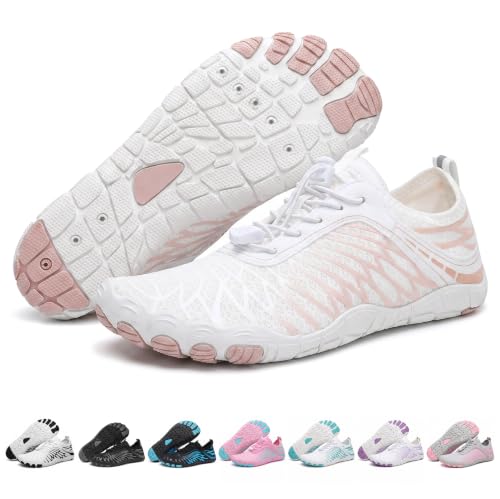
Most makers and reviewers use the same checklist. The shoe should be wide at the toes so your toes can spread, thin and flexible so the foot can bend, light, and have the heel at the same height as the forefoot, known as zero drop. Some brands also describe a stack height or sole thickness, with thinner soles giving more ground feel and less protection. Cushioned zero-drop shoes such as Altra are sometimes grouped with barefoot shoes but they do not offer the same ground feel.
Choosing by Use
Everyday and Office Wear
Vivobarefoot and Lems offer leather and casual styles that look close to regular shoes. Xero Shoes offers sneakers and low-profile casuals at a more accessible level. Choose a pair with a firm heel counter and a sole thick enough for pavement if you walk on concrete all day.
Walking and Travel
Light flexible shoes fold easily into a bag, so they suit travel. Look for materials that dry quickly if you expect rain. Sandals from Xero Shoes and similar brands add a summer option.
Trail and Gym
Merrell’s Vapor Glove range and Vivobarefoot’s trail models add outsoles with grip. Choose a thicker sole if you run on gravel or rocky paths, because a very thin sole can bruise the foot. For gym lifting, a flat, firm sole is an advantage for stability, and many lifters use barefoot shoes for this reason.
Running
Barefoot running places greater load on foot and calf muscles. Many runners add distance gradually and consider a lightly cushioned zero-drop option first. Pain that persists, swelling or injury needs a professional opinion from a podiatrist, physiotherapist or doctor.
Sizing and Fit
- Measure your foot length and width, standing, at the end of the day, and compare to the maker’s size chart.
- Allow thumb-width room in front of the longest toe. Toes should spread without being cramped, and the heel should stay put.
- Sizing differs between brands. Many makers recommend ordering by foot length in centimetres rather than by usual size.
- Try shoes with the socks you plan to wear. Toe socks such as Injinji pair well with wide toe boxes for some people, but are optional.
- Wide or narrow feet should check which brands list multiple widths. Not every maker does.
Transitioning Safely
Switching from heavily cushioned shoes to thin-soled barefoot shoes changes how your feet and lower legs work. Makers of barefoot shoes often advise a gradual transition, starting with short wear periods and adding time as the feet adapt. Muscles in the feet, arches and calves may feel tired at first. If you have diabetes, neuropathy, foot deformities, plantar fasciitis, recent injury or other foot conditions, talk to a doctor or podiatrist before changing your footwear. Barefoot shoes are not a treatment for any condition.
Budget, Mid-Range and Premium Tiers
Budget barefoot-style shoes from lesser-known brands copy the wide toe box and zero drop, but reviewers often mention that materials and finish vary. Mid-range models from Xero Shoes, Merrell and Lems tend to offer a strong balance of durability and fit. Premium models from Vivobarefoot use more refined materials and wider style ranges, including leather. A premium sole is not automatically better for everyone; some people prefer the added grip and protection of mid-range options.
Care
- Air dry shoes instead of using a dryer, which can warp soles and glue.
- Wash according to the label, usually by hand with mild soap.
- Rotate pairs if you wear them daily to let them dry between uses.
- Replace shoes when the sole is worn through or the upper has split, since thin soles wear faster than thick ones.
Pick X If You Want This
| Pick this | If you |
|---|---|
| Vivobarefoot | want refined everyday shoes and a true barefoot feel |
| Xero Shoes | want good value, sneakers or sandals |
| Merrell Vapor Glove | want trail grip and a gym-friendly flat shoe |
| Altra | want zero drop but with extra cushioning for running |
| Lems | want a casual, low-profile shoe with a wide toe box |
Alternatives to Consider
Wide-toe-box shoes with a small heel drop, such as some models from brands with foot-shaped lasts, are a middle path for people who like toe room but not zero drop. Minimalist slippers and water shoes work indoors and around the water. Orthotics or supportive shoes may suit people whose clinician advises them.
Buying Checklist and Common Mistakes
The most common mistake is buying the thinnest sole available for daily city walking. Very thin soles give strong ground feel but little protection from stones, glass or hard concrete, and many people find a slightly thicker sole easier to live with. Another error is choosing a size by habit; because the toe box is wider and the shoe often shaped differently, the usual size may be wrong. Measure and compare with the maker’s chart, and check return policies before committing.
Consider the weather and surface where you will actually wear the shoes. Leather and mesh uppers breathe well in summer but let in rain, while waterproof options may run warmer. Outsole lugs matter on wet trails but are unnecessary in the office. If you plan to use one pair for everything, a mid-thickness sole with moderate tread is a safe compromise.
Finally, give yourself time. A shoe that feels odd for the first week is not necessarily wrong, but pain that does not ease is a reason to stop and seek advice from a podiatrist, physiotherapist or doctor instead of pushing through.
Reading Maker Descriptions
Terms like barefoot, minimalist and natural motion are used loosely. Check for the concrete details instead: stack height or sole thickness, the stated drop, the shape and width of the toe box and whether the sole bends easily in the hand. A shoe described as barefoot with a thick cushioned sole is closer to a zero-drop trainer. Reviewers often compare how much of the ground they feel, how well the sole grips wet surfaces and how the upper holds up after months of daily use. If a maker lists an insole that can be removed, that gives you a way to adjust feel, but the shoe should still be comfortable without it. Always check sizing notes and return windows before committing.
Frequently Asked Questions
Are barefoot shoes good for beginners?
They can be, if worn gradually. Start with short periods and a model with a bit of sole thickness. See a professional if you have foot conditions or pain.
What does zero drop mean?
Zero drop means the heel and forefoot sit at the same height from the ground. Barefoot shoes and some cushioned shoes use this layout. It changes how load travels through the foot and calf.
Can I run in barefoot shoes?
Many people do, but a gradual build-up is advised by makers and coaches. Choose a sole suited to your surface. Stop and seek advice if pain persists.
How should barefoot shoes fit?
They should leave room for the toes to spread and keep the heel steady. A thumb-width gap beyond the longest toe is common guidance. Check each maker’s size chart because sizing varies.
Are barefoot shoes good for flat feet or plantar fasciitis?
Some people report comfort, while others do not, and makers do not promise treatment. Ask a podiatrist or doctor before switching if you have a foot condition. Do not use barefoot shoes as a substitute for medical care.
How long do barefoot shoes last?
Thin soles wear faster than thick ones, and lifespan depends on how much you walk and on which surface. Rotating pairs and avoiding rough terrain helps. Replace them when the sole is worn through.
FAQ
Are barefoot shoes good for beginners?
What does zero drop mean?
Can I run in barefoot shoes?
How should barefoot shoes fit?
Are barefoot shoes good for flat feet or plantar fasciitis?
How long do barefoot shoes last?
More from Amazon
Programs that pair well with the guide above. Offers and eligibility are set by Amazon and may change.
Free shipping on eligible items, Prime Video and more. Eligible new members can start with a free trial.
Start a Prime free trialAudiobooks and podcasts to listen to on the go. Eligible new members can start with a free trial.
Try Audible freeAd-free music streaming. Eligible new subscribers can start with a free trial.
Try Music Unlimited freeA free business account with business pricing and bulk-buying tools for work, shop or home office.
Create a business accountAs an Amazon Associate we earn from qualifying purchases.