Key takeaways
Pet friendly motion sensors let you arm a home with animals without a wandering pet setting off the alarm all night, so this pet friendly motion sensors guide ranks picks by how reliably they ignore pets. Below are six options with honest drawbacks, weighed on weight immunity, coverage, and careful tuning.
Our top picks


As an Amazon Associate we earn from qualifying purchases at no extra cost to you.
As an Amazon Associate we earn from qualifying purchases.
By Daniel Foster
How Pet Immunity Actually Works
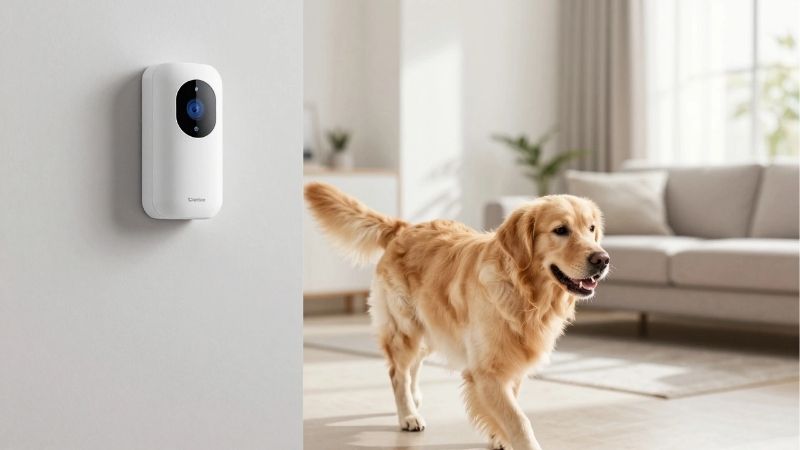
Pet immunity is not magic; it relies on a sensor’s optics and processing to overlook heat and motion below a stated animal weight while still catching a person. Understanding the weight rating, the sensor type, and how placement affects it keeps pet friendly motion sensors from either false-alarming on a big dog or missing a crouching intruder.
Pet Friendly Motion Sensor Decision Numbers
The deciding factors are the pet weight immunity rating (often up to around 40-88 lb / 18-40 kg depending on the model), the sensor technology (passive infrared or dual-technology adding microwave), the coverage range and angle, and whether a monitoring fee applies. Match the rating to your heaviest pet.
Then confirm the sensor’s mounting height and field, since pet immunity assumes the animal stays low in the detection zone. A cat that climbs furniture into the upper field can still trigger a PIR sensor, so the rating only holds if pets cannot reach the height where people are detected.
Check whether the sensor is part of a wider system with self or professional monitoring, or a standalone unit, and its power source. Dual-technology sensors that require both infrared and microphone-style detection to agree can further cut false alarms, but they cost more and can occasionally miss a slow mover. Choosing pet friendly motion sensors rated well above your heaviest animal leaves margin for an active jumper.
Placement, Space, And Fit
Mount pet friendly sensors in a room corner about 7 ft (2.1 m) high, angled so the detection zone covers human walk paths while pets stay below it. Aim across the room rather than at the floor, and avoid pointing at stairs or furniture a cat can climb into the sensitive upper field.
Keep sensors away from heat sources, sunny windows, and vents, since warm air and moving light cause false trips independent of pets. In a multi-level home, remember an animal on a landing or cat tree can rise into the beam, so choose placements where your pets cannot reach detection height.
For renters, adhesive or bracket mounts install without drilling and travel easily, and standalone or hub sensors both work. Confirm the corner you choose gives a clear view of the entries you care about, since a sensor aimed at a wall or blocked by a door protects nothing useful.
Weight Immunity, Coverage, And Tuning
Weight immunity ratings are guidelines, not guarantees, so choose a rating comfortably above your heaviest pet and expect some tuning. A sensor rated for a 40 lb (18 kg) dog may still trip on a very active larger animal, especially one that jumps, so err toward a higher rating if unsure.
Coverage range and angle determine how much of a room one sensor guards, and a wider angle covers more but may catch pets at the edges. Dual-technology sensors reduce false alarms by requiring two detection methods to agree, useful in pet homes but occasionally slower to trigger on a careful intruder.
Tuning is the real work: mount at the right height, aim away from pet perches, and test by walking and by letting pets roam before you trust it. Adjust sensitivity or reposition if false alarms persist, since a pet sensor you disarm out of frustration protects nothing at all. Walking the room yourself and then letting pets roam is the only honest way to confirm the tuning.
Top Pet Friendly Motion Sensor Picks
These six span system sensors and standalone units with different weight ratings, so you can match immunity and coverage to your pets and setup. Each entry names a real drawback, because pet friendly motion sensors trade off weight immunity, false-alarm resistance, and cost in ways worth weighing for your animals.
| Pick | Immunity | Tech | Best for |
|---|---|---|---|
| SimpliSafe motion | Pet-aware | PIR | System integration |
| Ring Alarm motion | Adjustable | PIR | Alexa homes |
| eufy motion sensor | Pet-aware | PIR | Skip fees |
| Honeywell dual-tech | Higher weight | PIR+microwave | Large dogs |
| Abode motion | Adjustable | PIR | Automation fans |
| Standalone PIR alarm | Basic pet mode | PIR | Simple budget |
SimpliSafe Motion For System Integration
SimpliSafe’s motion sensors include pet-aware detection for smaller animals and fold into its wireless system with self or optional professional monitoring. Mounted in a corner, they cover a room while overlooking pets below the detection zone, and they integrate with entry and glass-break sensors.
The trade-off is that the pet immunity suits smaller animals, so large dogs may still trigger it, and the best features lean on a subscription. Component costs add up across rooms, so price the sensors you need and confirm the weight rating against your heaviest pet before buying.
For folding pets and rooms into a whole-home system, SimpliSafe integrates cleanly and installs without tools. Mount at the right height, aim away from cat perches, and test with your pets roaming, since even a good pet-aware sensor needs correct placement to avoid nuisance trips.
Ring Alarm Motion For Alexa Homes
Ring Alarm motion detectors offer adjustable pet settings and tie into Alexa and Ring cameras, arming by routine and triggering recordings or lights. For a Ring household, adding pet-aware motion coverage is straightforward and unified with the rest of the system.
The downsides are ecosystem lock-in, fees for some features, and the usual caveat that pet immunity favors smaller animals. Cloud reliance means confirming behavior during an outage, and larger or very active pets may still need careful placement to avoid false alarms.
If you value voice control and integration, Ring’s motion sensors fit well in a pet home. Adjust the pet setting, mount at recommended height, and test with your animals, keeping in mind that placement matters more than the setting for keeping a big dog out of the zone.
eufy Motion Sensor To Skip Fees
eufy’s motion sensors offer pet-aware detection with self-monitoring and no required subscription, sending phone alerts without a monthly fee. They integrate with eufy cameras so motion can trigger a recording, and the wireless design mounts without drilling for renters or quick setups.
The limitation is that pet immunity again favors smaller animals, professional dispatch is not the focus, and some features involve cloud services. Larger pets may trip it, so confirm the rating and rely on placement, and remember alerts depend on you or a neighbor acting while away.
For fee-averse pet owners who want alerts on their phone, eufy is a strong pick. Confirm which functions stay free, mount the sensor to keep pets below the beam, and test thoroughly, since a fee-free sensor still needs tuning to avoid waking you over a wandering cat.
Honeywell Dual-Tech For Large Dogs
Dual-technology sensors like Honeywell’s require both infrared and microwave detection to agree before triggering, which sharply cuts false alarms and supports higher pet weight immunity for large dogs. For homes with big animals, this is often the most reliable way to arm without nuisance trips.
The trade-off is a higher price, a more involved setup, and the small chance of missing a very slow, careful intruder since both methods must agree. These are often wired or system sensors aimed at more serious installs rather than a quick stick-on standalone unit.
For large-dog households frustrated by false alarms, dual-tech is the strongest answer. Budget for the higher cost and setup, confirm compatibility with your system, and still mind placement, since even dual-technology sensors perform best mounted and aimed the way the maker specifies.
Abode Motion For Automation Fans
Abode’s motion sensors offer adjustable sensitivity and pet settings, integrating into its flexible, standards-friendly system with self or on-demand professional monitoring. For tinkerers, motion can drive both security alerts and automations like lighting, all tuned to a pet-filled home.
The drawback is a steeper learning curve and pet immunity that, like most PIR sensors, favors smaller animals. Building and tuning the right setup takes effort, so budget time to test with pets roaming and adjust sensitivity before relying on the sensor to arm the house.
For automation fans who want pet-aware motion woven into routines, Abode rewards the work. Confirm which features stay free, mount and aim carefully, and lean on the adjustable settings, remembering that placement above pet height does more than any software setting to prevent false alarms.
Standalone PIR Alarm For Simple Budgets
A standalone PIR motion alarm with a basic pet mode offers cheap, hub-free room coverage that sounds a local siren on detection, adjustable to overlook smaller animals. For a renter or a single room on a budget, it is a simple deterrent without app or fee.
Compromises include coarse pet tuning, no remote alerts or logging, and more false trips than premium sensors. The basic pet mode may not reliably ignore a larger or active animal, so test carefully and expect to reposition it to keep a pet out of the detection zone.
As an inexpensive, self-contained option, it suits simple needs where you are mostly home to hear the siren. Pair it with a connected sensor or camera if you want phone alerts, and mount it high and aimed across the room to keep curious pets from setting it off. For a mostly-home household on a budget, a loud local siren is often deterrent enough by itself.
See More:
- Best eyeshadow blender brush
- Best frozen foods for air fryer
- Best frozen food for air fryer
- Best way to reheat steak in air fryer
- Best air fryer recipes book
Choosing Your Pet Friendly Motion Sensors
The best pet friendly motion sensors for you start with weight immunity comfortably above your heaviest pet, then the right sensor type and coverage for the room. For large dogs, dual-technology sensors cut false alarms best; for smaller pets, pet-aware PIR sensors from SimpliSafe, Ring, eufy, or Abode integrate cleanly.
Mount high in a corner, aim across walk paths and away from cat perches, and test with your pets roaming before you trust the setup. Because placement matters more than any setting, a well-tuned sensor is one you will actually leave armed, so patient pet friendly motion sensors setup is what keeps both your animals and your alerts calm.