Key takeaways
Water leak detector shopping ranges from a cheap spot sensor to a whole-home monitor that shuts the water off itself, so this water leak detector guide ranks picks by detection and real prevention. Below are six options with honest drawbacks, weighed on point versus flow sensing and auto shutoff today.
Our top picks


As an Amazon Associate we earn from qualifying purchases at no extra cost to you.
As an Amazon Associate we earn from qualifying purchases.
By Daniel Foster
From Spot Alerts To Whole-Home Shutoff
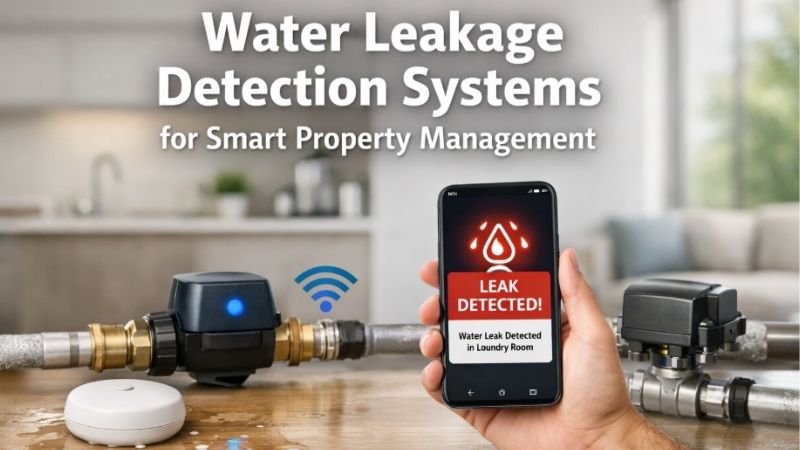
Leak detectors fall on a spectrum: point sensors that alert when water touches them, and inline flow monitors that watch the whole home and can shut off the supply. Sorting the detection type, whether it shuts off water, and the alert method first keeps a water leak detector matched to whether you want a warning or true prevention.
Water Leak Detector Decision Numbers
The deciding factors are the detection type (point sensors placed at risk spots, or an inline flow monitor on the main line that detects abnormal usage), whether it can automatically shut off the water, the alert method (phone push, hub, or local siren), freeze or temperature detection, and the power source.
Then decide how much prevention you want, since a point sensor tells you water is present while a flow monitor with a shutoff valve can stop a burst pipe on its own. A monitor also catches slow, hidden leaks a spot sensor would miss, by spotting unusual continuous flow in the plumbing.
Confirm installation needs, since a shutoff valve on the main line often requires a plumber, while point sensors just drop in place. Weigh connectivity and any subscription, and prioritize a system that alerts your phone anywhere, since a leak that only chirps locally cannot help while you are away. Deciding how much prevention you want, an alert or an automatic shutoff, shapes the whole purchase.
Placement, Space, And Fit
Place point sensors flat on the floor at the lowest spots near sinks, toilets, water heaters, washers, dishwashers, and sump pumps, where water pools first. A flow monitor installs on the main water line, ideally after the meter and before the home’s branches, to watch all usage from one point.
For the flow monitor and shutoff valve, confirm pipe size and material compatibility and the space around the main line, since installation is a plumbing job on many homes. A professional install is common, so budget for it, and place any hub within wireless range of both sensors and the valve.
Combine approaches for full coverage: a whole-home monitor for hidden and main-line leaks, plus point sensors at specific appliances the monitor cannot pinpoint. Test each sensor after placing it, and note battery locations, since a hidden dead sensor quietly stops protecting a spot you assumed was covered. Combining a main-line monitor with point sensors at appliances covers both hidden and obvious leaks.
Detection, Shutoff, And Alerts
Point sensors are cheap, easy, and precise about location, but only catch water where they sit, while flow monitors watch the entire supply and catch slow leaks and running fixtures. Using both gives location-specific alerts plus whole-home coverage that no single sensor type provides alone.
Automatic shutoff is the key differentiator: a monitor with a motorized valve can stop the water when it detects a leak or abnormal flow, preventing damage while you are away. Without shutoff, even the best detector only warns, so match the level of prevention to how catastrophic a leak would be.
Alerts should reach your phone anywhere, ideally with clear leak and freeze notifications, and a local indicator helps when home. Freeze or temperature alerts warn of burst-pipe risk before water escapes, and a low-battery or offline alert ensures you know if the system itself stops watching. A low-battery or offline alert matters as much as the leak alert, since a silent system protects nothing.
Top Water Leak Detector Picks
These six span whole-home flow monitors with shutoff, hub-based point sensors, and simple spot alarms, so you can match detection and prevention to your home. Each entry names a real drawback, because a water leak detector that only alerts is very different from one that shuts the water off before damage spreads. Reading each drawback closely helps you decide between a simple alert and true prevention.
| Pick | Type | Shutoff | Best for |
|---|---|---|---|
| Moen Flo | Flow monitor | Yes, automatic | Whole-home prevention |
| Phyn Plus | Flow monitor | Yes, automatic | Leak analytics |
| Flume monitor | Flow monitor | No (alerts) | Renter-friendly monitoring |
| Govee spot sensor | Point | No | Fee-free alerts |
| YoLink sensor | Point | Via valve add-on | Long range |
| Aqara/eufy leak | Point | No | Smart-home link |
Moen Flo For Whole-Home Prevention
Moen Flo installs on the main line to monitor flow and automatically shut off the water when it detects a leak or abnormal usage, catching both bursts and slow hidden leaks. For genuine whole-home prevention rather than just alerts, an automatic shutoff monitor is the strongest tool.
The drawback is a plumbing install often needing a professional, higher cost, and a subscription for some advanced features. Confirm pipe compatibility and installation requirements, and budget for both the hardware and any recurring plan before committing to the system.
For stopping water damage automatically, Moen Flo is a leading choice. Have the valve installed correctly on the main line, add point sensors at specific appliances, and confirm the automatic shutoff behavior, since stopping the flow is what truly prevents a flooded home. For anyone who travels or owns a second home, that automatic shutoff is the feature that earns its cost.
Phyn Plus For Leak Analytics
Phyn Plus monitors the main line with detailed pressure analysis to detect leaks and can shut off the water automatically, offering fine-grained insight into your plumbing. For buyers who want analytics on usage and early detection of small leaks, its sensing is sophisticated.
The drawback is the same plumbing install and cost as other whole-home systems, plus reliance on its app and any subscription features. Confirm installation needs and compatibility, and weigh whether the added analytics justify the price over a simpler shutoff monitor.
For analytics-driven whole-home protection, Phyn Plus is a capable option. Install it on the main line, review its leak insights, and add point sensors where you want appliance-specific alerts, treating the automatic shutoff as the core damage-prevention feature.
Flume Monitor For Renter-Friendly Monitoring
Flume straps a sensor to the outside of your water meter, monitoring whole-home usage and alerting to leaks without any plumbing work, making it renter-friendly and easy to install. For catching leaks and tracking usage without cutting into pipes, it is uniquely simple.
The drawback is that it monitors and alerts but does not shut off the water, so it warns rather than prevents, and it relies on Wi-Fi and its app. Confirm meter compatibility, and pair it with point sensors or a shutoff if you want more than usage-based alerts.
For renters or anyone avoiding a plumbing install, Flume delivers whole-home leak awareness easily. Mount it on the meter, set alert thresholds, and add spot sensors at appliances, understanding that it tells you about a leak but cannot stop the water itself. For a renter, though, whole-home awareness with no plumbing work is a genuinely rare and useful option.
Govee Spot Sensor For Fee-Free Alerts
Govee’s Wi-Fi spot sensors push phone alerts and sound locally with no subscription, covering specific risk points affordably. For placing several detectors under sinks and by appliances with fee-free app alerts, they are a simple, popular choice.
The drawback is Wi-Fi reliance, battery upkeep, and no shutoff, so they warn about water at a spot but cannot prevent damage or catch hidden main-line leaks. Place them at known risks and pair with a shutoff system if prevention matters.
For fee-free point alerts, Govee sensors are an easy, cheap layer. Put them at every appliance and low spot, confirm Wi-Fi coverage, check batteries, and combine them with a whole-home monitor if you want both location-specific alerts and main-line protection.
YoLink Sensor For Long Range
YoLink’s point leak sensors use long-range low-power radio to a hub, reaching basements and far corners with strong battery life, and can pair with a compatible valve controller for shutoff. For large homes where Wi-Fi struggles, the range is a real advantage.
The drawback is the required hub and a smaller ecosystem, and shutoff needs an added valve controller. Confirm hub coverage and which shutoff integration is supported, and plan the extra components if you want detection to stop the water automatically.
For range plus optional shutoff, YoLink scales across a big home. Place sensors at every risk point, confirm the hub reaches them, and add the valve controller if you want the system to move from alerting to actually shutting off the supply.
Aqara Or eufy Leak For A Smart-Home Link
Point leak sensors from Aqara or eufy fold water detection into their smart-home hubs, adding phone alerts and automations alongside cameras and sensors. For households in those ecosystems, unifying leak alerts with existing routines is convenient and tidy.
The drawback is a required hub, varying integration depth, and no built-in shutoff, so they alert rather than prevent. Confirm range and compatibility, and add a separate shutoff solution if you want to stop the water rather than only receive a notification.
For a smart-home link, these sensors extend your system to cover water risks. Place them at appliances and low points, confirm hub range, set up automations, and remember that an alert only prevents damage if you or an automated valve acts on it quickly.
See More:
- Best eyeshadow blender brush
- Best frozen foods for air fryer
- Best frozen food for air fryer
- Best way to reheat steak in air fryer
- Best air fryer recipes book
Choosing Your Water Leak Detector
The best water leak detector for you depends on how much prevention you want: whole-home flow monitors with automatic shutoff like Moen Flo or Phyn Plus stop damage, renter-friendly Flume monitors usage without plumbing, and point sensors from Govee, YoLink, or Aqara cover specific spots affordably. Combine types for full coverage. Weighing a plumbing install against a plug-in sensor is the trade every buyer has to make.
Place point sensors at every risk, put a monitor on the main line if you want shutoff, confirm alerts reach your phone, and add freeze detection in cold climates. Because burst pipes and slow leaks drive costly winter claims, cold season is a common trigger to act, but the goal is a water leak detector that catches leaks early and, ideally, shuts the water off before a home is damaged.