Key takeaways
Best panic button system shopping is about getting help fast at the press of a button, for a fall, a medical scare, or an intruder, so this best panic button system guide ranks picks by how reliably they summon help. Below are six options with honest drawbacks, weighed on connection and monitoring today.
Our top picks




As an Amazon Associate we earn from qualifying purchases at no extra cost to you.
As an Amazon Associate we earn from qualifying purchases.
By Daniel Foster
What A Panic Button Actually Does
A panic button sends an immediate alert, either to a monitoring center that can dispatch help or to your own contacts, when someone presses it. Sorting the connection type, the monitoring model, and whether it is wearable or fixed first keeps a best panic button system focused on reaching help quickly rather than on features that do not.
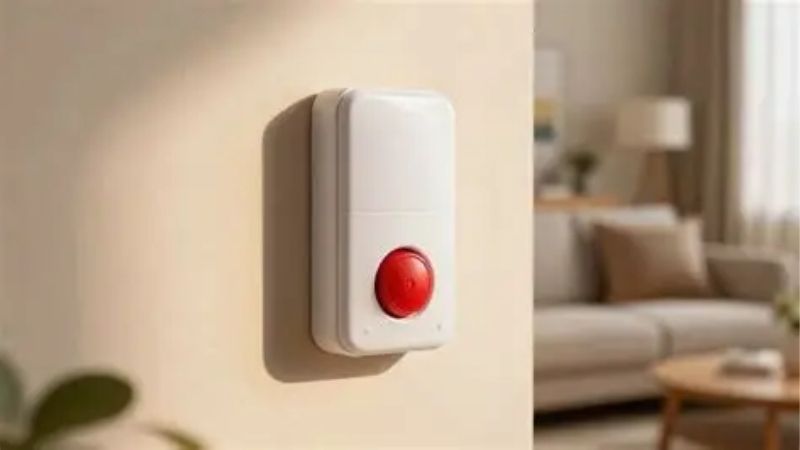
Panic Button Decision Numbers
The deciding factors are the alert path (cellular, Wi-Fi, or landline), the monitoring model (professional 24/7 dispatch versus self-alerts to your contacts), whether the button is a wearable pendant or wristband or a fixed unit, the range from any base station, optional fall detection, and battery life.
Then confirm whether a monthly fee applies, since professional monitoring adds a subscription while self-alert systems may not, and whether the device works away from home on cellular. For someone who leaves the house, a mobile cellular unit with GPS reaches help anywhere, unlike a home-only base station.
Check reliability features like a cellular backup, a long battery, and water resistance for wear in the shower, where falls often happen. A panic button is only useful if it is worn and works, so comfort, battery life, and dependable connection matter as much as the response service behind it. The right best panic button system is the one the wearer keeps on and that reliably reaches help.
Placement, Space, And Fit
For a home system, place the base station centrally with good cellular or Wi-Fi signal, and confirm the wearable’s range covers the whole home and yard. Test the button from bedrooms, bathrooms, and the farthest corners, since range specs shrink through walls and across levels in a real house.
Wearables should be comfortable enough to keep on all day, since a pendant left on the nightstand cannot help. Choose a form, pendant, wristband, or clip, that the wearer will actually keep on, and confirm it is water-resistant for use in the bathroom where many falls occur.
For a mobile unit worn away from home, fit and battery life matter more, since it must last the day and be carried consistently. Set up emergency contacts and any address details in advance, and make sure the wearer knows how to press and confirm an alert before relying on it. Comfort decides everything here, since a device left on the nightstand cannot call for help.
Connection, Monitoring, And Fall Detection
The connection determines where it works: landline and Wi-Fi units are home-bound, while cellular units function anywhere with coverage, and a cellular backup keeps a home unit working during an internet or power cut. Match the connection to whether the wearer stays home or goes out regularly.
Monitoring is the core choice: professional 24/7 dispatch can call responders and stay on the line, for a monthly fee, while self-monitored buttons alert your chosen contacts free but rely on them answering. For someone living alone, professional dispatch adds a safety net that self-alerts cannot fully match.
Fall detection can trigger an alert automatically if the wearer cannot press the button, a valuable option though not perfect, since it may miss some falls or false-trigger. Treat it as a helpful supplement to the button, not a replacement, and test how it behaves before depending on it. Matching the connection to the wearer’s life, home-bound or active, is the first real decision.
Top Panic Button System Picks
These six span professionally monitored medical alerts, mobile cellular units, and self-alert home buttons, so you can match response and mobility to the wearer. Each entry names a real drawback, because the best panic button system for someone home-bound differs from one for an active person who leaves daily. Reading each drawback closely helps you match a device to the wearer’s routine and comfort.
| Pick | Monitoring | Connection | Best for |
|---|---|---|---|
| Medical Guardian | Pro 24/7 | Cellular/home | Full-service dispatch |
| Bay Alarm Medical | Pro 24/7 | Cellular/home | Value monitoring |
| MobileHelp | Pro 24/7 | Cellular | On-the-go help |
| GetSafe | Pro 24/7 | Cellular | Voice-activated home |
| SimpliSafe panic button | Optional pro | Hub | Alarm integration |
| Ring Alarm panic | Self/optional pro | Hub | Alexa homes |
Medical Guardian For Full-Service Dispatch
Medical Guardian offers professionally monitored home and mobile units with 24/7 dispatch, optional fall detection, and cellular options that work away from home. For a full-service medical alert with responsive monitoring, it is a well-known, capable choice for peace of mind.
The drawback is a monthly monitoring fee and add-on costs for fall detection or mobile units, so total cost rises with features. Confirm which plan and device fit the wearer, and check equipment terms, since the service, not just the button, is the ongoing commitment.
For dependable professional dispatch, Medical Guardian delivers a strong safety net. Choose a home or mobile unit based on how much the wearer goes out, add fall detection if useful, and confirm cellular coverage at home so alerts always reach the monitoring center. Choosing the right plan and device up front avoids paying for features the wearer will not use.
Bay Alarm Medical For Value Monitoring
Bay Alarm Medical provides professional 24/7 monitoring at competitive pricing, with in-home, mobile, and even in-car options and optional fall detection. For buyers who want reliable dispatch without premium cost, it balances price and service well.
The trade-off is that the lowest price tiers may be home-only, and fall detection and mobile units add monthly cost. Confirm the connection and coverage for the wearer’s lifestyle, and read the plan details so the affordable headline price matches the features you actually need.
For value-focused professional monitoring, Bay Alarm Medical is a practical pick. Match the device to whether the wearer stays home or travels, add fall detection if it helps, and test range and signal at home before relying on the system day to day.
MobileHelp For On-The-Go Help
MobileHelp focuses on cellular-connected units that work at home and away, with GPS on mobile devices so dispatch can locate the wearer, plus optional fall detection. For an active person who leaves home regularly, mobile coverage is the key advantage.
The drawback is a monthly fee and reliance on cellular coverage, so signal gaps affect reliability, and mobile units need daily charging. Confirm coverage where the wearer goes, and build charging into the routine so the device is not flat when it is needed most.
For help beyond the home, MobileHelp’s cellular units are a sensible choice. Set up contacts and address details, confirm GPS and coverage, and keep the unit charged and carried consistently, since a mobile button only helps if it is on the wearer and powered. Building charging into a daily routine keeps a mobile unit ready rather than flat when it counts.
GetSafe For A Voice-Activated Home
GetSafe offers a home system with wall-mounted buttons and voice activation, so the wearer can call for help without a pendant, backed by professional monitoring. For someone who dislikes wearing a device at home, voice and fixed buttons are a useful alternative.
The drawback is that it is primarily home-based, so it does not cover trips out, and voice activation depends on being within range and heard. Confirm button placement in key rooms and bathrooms, and consider a wearable or mobile add-on if the wearer also goes out.
For a home-focused, wearable-optional setup, GetSafe suits those who resist pendants. Place buttons where falls are likely, test voice activation from those spots, and pair it with a mobile solution if coverage away from home is also a priority for the wearer.
SimpliSafe Panic Button For Alarm Integration
SimpliSafe’s panic button integrates with its home security system, triggering the alarm and, with a monitoring plan, professional response for medical or intrusion emergencies. For households that already run SimpliSafe, adding a panic button folds emergencies into one system.
The drawback is that it is tied to the SimpliSafe hub and is home-based, and dispatch requires a monitoring plan. It is a security-first panic button rather than a dedicated medical alert with fall detection, so confirm it meets the wearer’s specific needs.
For alarm integration, the SimpliSafe panic button is a convenient add-on to an existing system. Place buttons in key rooms, confirm the monitoring tier covers dispatch, and consider a dedicated medical alert if fall detection or mobile coverage is important.
Ring Alarm Panic For Alexa Homes
Ring Alarm’s panic feature and keypad button can trigger alerts through the Ring system, with self-alerts free and professional dispatch on a monitored plan, integrated with Alexa. For a Ring household, it adds an emergency trigger to the existing setup.
The drawback is ecosystem lock-in, reliance on the hub and cloud, and that dispatch needs a plan, plus it is home-based rather than a mobile medical alert. Confirm behavior during an outage, and treat it as security integration rather than a dedicated fall-detecting device.
For Ring users, the panic feature is a handy addition to a security system. Set it up on the keypad or app, confirm the monitoring tier for dispatch, and add a dedicated medical alert if the wearer needs fall detection or coverage away from home. For a household on Ring, a dedicated best panic button system still fits anyone needing fall detection.
See More:
- Best eyeshadow blender brush
- Best frozen foods for air fryer
- Best frozen food for air fryer
- Best way to reheat steak in air fryer
- Best air fryer recipes book
Choosing Your Panic Button System
The best panic button system for you depends on the wearer: professional 24/7 dispatch from Medical Guardian, Bay Alarm Medical, or MobileHelp for someone living alone or needing responders, versus self-alert buttons from SimpliSafe or Ring folded into a security system. Match mobility, monitoring, and fall detection to real needs. Weighing professional dispatch against a self-alert button is the decision that matters most here.
Confirm the connection works where the wearer is, choose a comfortable wearable they will keep on, and test range, signal, and the alert process before depending on it. Because interest rises with aging-in-place and living-alone concerns, timing varies, but the goal is a best panic button system that reaches help reliably the moment the button is pressed.