Key takeaways
Home emergency kit shopping is about readiness before a storm, outage, or evacuation, not after it strikes, so this home emergency kit guide ranks options by what they cover and for how long. Below are six picks with honest drawbacks, weighed on people, days, core supplies, and true shelf life today.
Our top picks





As an Amazon Associate we earn from qualifying purchases at no extra cost to you.
As an Amazon Associate we earn from qualifying purchases.
By Daniel Foster
What A Real Emergency Kit Covers
A good kit answers the basics for a few days without power or stores: water, food, first aid, light, a way to stay warm, and information. Sorting how many people and days you need, the supplies included, and shelf life first keeps a home emergency kit from being a reassuring box that falls short exactly when a real emergency hits.
Home Emergency Kit Decision Numbers
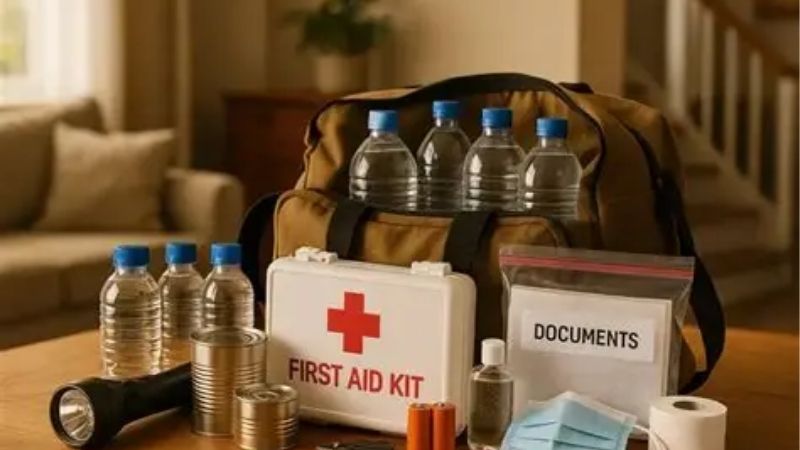
The deciding factors are the number of people and days of supplies (a common baseline is three days, or 72 hours, per person), the core categories covered (water, food, first aid, light, warmth, and communication), the shelf life of the food and water, and whether it is a grab-and-go bag or a stay-home supply.
Then confirm what is missing, since many kits skip enough water, prescription needs, or documents, and plan to add those yourself. Water is heavy and bulky at about one gallon (3.8 L) per person per day, so most kits provide short-term pouches and expect you to store more at home.
Check the shelf life on food and water pouches, often around five years, and set a calendar reminder to rotate them. Decide up front whether you are preparing to evacuate, which favors a portable bag, or to shelter in place, which favors bulkier, longer-lasting supplies you keep on hand. Deciding between grab-and-go and shelter-in-place up front shapes every other choice you make.
Placement, Space, And Fit
Store a grab-and-go kit where you can reach it in seconds on the way out, near an exit or in a closet by the door, not buried in a basement. A shelter-in-place supply can live in a pantry or utility room, but keep it cool and dry so food, batteries, and medications last their rated life.
Size the kit to your household, adding a bag or supplies per person and accounting for pets, infants, or medical needs the generic box ignores. A kit that fits one person but not your family, or that you cannot carry when it matters, defeats the purpose of preparing at all.
Keep copies of key documents, some cash, and a contact list with the kit, and tell everyone where it is. For a car or workplace, a smaller secondary kit bridges the gap if you are away from home, so consider one per location rather than a single kit you may not reach. A kit by the door, plus a smaller one in the car, covers you whether you are home or out.
Supplies, Shelf Life, And Use Case
Core supplies span water and pouches, calorie-dense food bars or meals, a first aid kit, a flashlight or lantern, a hand-crank or battery radio, a whistle, and warmth like emergency blankets. A power bank and a basic tool round out a modern kit, since a charged phone is often your lifeline.
Shelf life varies by item, so rotate food and water on their dates, replace batteries periodically, and check that any medications or wipes have not expired. A kit is not set-and-forget; a yearly review keeps it genuinely ready rather than a box of expired supplies you trust by mistake.
Match the kit to likely local events: earthquakes, hurricanes, wildfires, floods, or winter outages each shift the priorities toward evacuation speed or longer sheltering. Build around the most probable scenario where you live, then add for less likely ones, rather than buying a generic kit and hoping it fits. A quick yearly review, swapping expired items, is what separates a ready kit from false security.
Top Home Emergency Kit Picks
These six span grab-and-go survival bags, family sheltering supplies, and dedicated first aid or food options, so you can match coverage to your household and risks. Each entry names a real drawback, because a home emergency kit built for one person to evacuate differs from one that shelters a family for days.
| Pick | Type | Coverage | Best for |
|---|---|---|---|
| Ready America 72-hour | Grab-and-go | 1-4 people, 3 days | Evacuation basics |
| Sustain Supply Comfort | Shelter kit | 2-4 people | Fuller supplies |
| Judy kit | Grab-and-go | 1-6 people | Organized design |
| First Aid Only kit | First aid | Household | Medical supplies |
| Redfora/quake kit | Region-specific | 1-4 people | Earthquake prep |
| Augason Farms food | Food supply | Long-term calories | Extended sheltering |
Ready America 72-Hour For Evacuation Basics
Ready America’s 72-hour kits bundle water pouches, food bars, a light, and basic first aid in a grab-and-go bag sized for one to four people. For a first evacuation kit that covers the essentials without assembling everything yourself, it is an affordable, sensible starting point.
The drawback is that budget kits are basic: limited water, generic first aid, and no prescriptions or documents, so you must supplement. Food and water pouches carry expiry dates, so rotate them, and confirm the person count matches your household before relying on one bag.
As a starter grab-and-go kit, it gets you off zero quickly. Add extra water, personal medications, copies of documents, and a power bank, then store it by an exit so it is truly grab-and-go rather than buried where you cannot reach it fast.
Sustain Supply Comfort For Fuller Supplies
Sustain Supply’s Comfort kits provide a more complete set of freeze-dried meals, water filtration, light, and tools for two to four people, aimed at fuller readiness. For households that want more than the bare minimum, the broader supply list reduces how much you must add yourself.
The trade-off is higher cost and weight, and freeze-dried meals need water to prepare, so a water source or filter matters. Confirm the calorie and day coverage for your household, and still add personal medications and documents the kit cannot include for you.
For a fuller shelter-or-evacuate kit, it balances completeness and portability. Store it accessibly, learn to use the included filter before you need it, and rotate the meals on their dates so the kit stays ready rather than aging quietly in a closet.
Judy Kit For An Organized Design
Judy’s kits emphasize clear organization, color-coded pouches, and a range of sizes for one to six people, making supplies easy to find under stress. For buyers who value a thought-through layout and readiness guidance, the design reduces fumbling in an emergency.
The drawback is a premium price for the organization, and like most kits it still leans light on water and omits prescriptions. Confirm the size matches your household, and plan to supplement water, medications, and documents regardless of how tidy the base kit is.
For an organized, grab-ready kit, Judy makes staying prepared approachable. Use the layout to check supplies at a glance, rotate dated items yearly, and add the personal essentials no packaged kit can anticipate for your specific household and location.
First Aid Only Kit For Medical Supplies
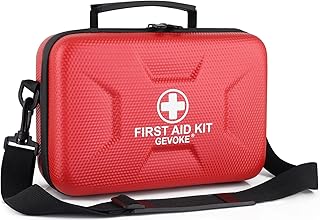
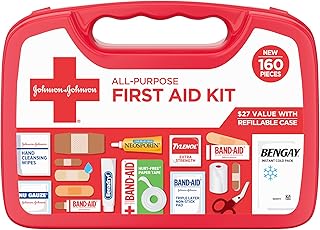
A dedicated First Aid Only kit stocks bandages, gauze, antiseptics, and basic tools deeper than the token first aid in a survival bag, covering everyday injuries and emergencies. For households wanting real medical supplies, it complements a food-and-water kit well.
The drawback is that first aid is only one piece, so it is not a standalone emergency kit, and it will not include prescriptions or specialized items. Check contents against your family’s needs, and refresh consumables and any medications as they expire.
As the medical layer of your preparedness, a proper first aid kit is worth having on its own. Keep one at home and a smaller one in the car, learn the basics of using it, and pair it with water, food, and light for complete readiness. Learning the basics of using the supplies matters as much as owning them when seconds count.
Redfora Or Quake Kit For Earthquake Prep
Region-specific kits like Redfora’s earthquake bags tailor supplies to a likely local hazard, adding items useful when structures shift and utilities fail. For areas prone to earthquakes, a targeted kit addresses risks a generic box overlooks.
The drawback is the same reliance on you to add water, medications, and documents, and a hazard-specific kit may not suit other events. Confirm the person and day coverage, and adapt the kit if you also face hurricanes, wildfires, or winter outages.
For a region with a clear dominant risk, a tailored kit is a smart foundation. Build around your most likely event, store it accessibly, and supplement with the water and personal items that every household needs regardless of the specific disaster.
Augason Farms Food For Extended Sheltering
Augason Farms and similar long-term food supplies provide buckets of calorie-dense, long-shelf-life meals for extended sheltering, measured in weeks rather than days. For households that want to prepare for longer disruptions, they add substantial food reserves affordably per serving.
The drawback is that these are food-only, need water to prepare, and take storage space, so they supplement rather than replace a full kit. Confirm the calorie count and shelf life, and store the buckets cool and dry to reach their rated longevity.
For extended sheltering, a bulk food supply extends your runway well beyond a 72-hour kit. Pair it with stored water, a way to heat or rehydrate meals, and a grab-and-go bag for evacuation, so you are covered whether you stay or must leave.
See More:
- Best eyeshadow blender brush
- Best frozen foods for air fryer
- Best frozen food for air fryer
- Best way to reheat steak in air fryer
- Best air fryer recipes book
Choosing Your Home Emergency Kit
The best home emergency kit for you starts with people and days: a grab-and-go bag from Ready America or Judy for evacuation, fuller supplies from Sustain Supply for sheltering, plus a real first aid kit and, for longer events, a bulk food reserve. Match the coverage to your household and likely local hazards.
Add the water, medications, and documents no packaged kit includes, store it where you can reach it fast, and review it yearly so nothing has expired. Because interest in preparedness spikes with hurricane, wildfire, and winter-storm seasons, a good moment to buy is easy to find, but the goal is a home emergency kit that is truly ready the day you need it.