Key takeaways
What's inside
- Understanding Extract Ratios and Potency
- Evaluating Third-Party Testing and Purity Standards
- Capsule Materials and Dietary Compatibility
- Analyzing Bottle Sizing and Value Per Serving
- Monitoring for Citrinin and Contaminant Standards
- Matching Dosage to Your Personal Wellness Plan
- Related Guides
- FAQ
- Related Guides
Navigating the supplement market can feel overwhelming, especially when you are looking for specific cardiovascular support options. When evaluating options like Zazzee Red Yeast Rice, understanding what separates a standard formulation from a high-quality choice is essential for making an informed purchasing decision. Consumers often get bogged down by marketing claims, losing sight of the core specifications that genuinely impact safety, potency, and overall value.
- Understanding Extract Ratios and Potency
- Evaluating Third-Party Testing and Purity Standards
- Capsule Materials and Dietary Compatibility
- Analyzing Bottle Sizing and Value Per Serving
- Monitoring for Citrinin and Contaminant Standards
- Matching Dosage to Your Personal Wellness Plan
- Related Guides
- FAQ
- Related Guides
Choosing the right supplement requires a clear evaluation of your personal health goals, dietary restrictions, and quality expectations. Whether you are stocking your wellness cabinet for 2026 or starting a new daily regimen, knowing how to critically assess product labels will protect your investment and support your health routine. This guide breaks down the critical factors you need to weigh before adding a bottle to your cart.
As an Amazon Associate we earn from qualifying purchases at no extra cost to you.
Understanding Extract Ratios and Potency
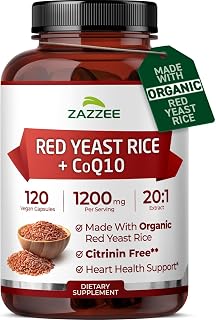
The first major factor to evaluate when shopping for red yeast rice is the extract ratio and concentration per serving. Not all products are manufactured with the same level of active compounds, which means two bottles with identical pill counts might deliver drastically different amounts of beneficial constituents. Look closely at the supplement facts panel to determine how many milligrams are packed into each single-capsule or multi-capsule serving size.
Higher concentration does not automatically mean a better product for your specific needs, but it does dictate how many pills you will need to swallow daily. If a formulation requires a larger serving size to reach an effective amount, a seemingly inexpensive bottle might actually deplete much faster than a more concentrated alternative. Always calculate the cost per active milligram rather than just looking at the sticker price of the bottle.
Evaluating Third-Party Testing and Purity Standards
Quality control is paramount when purchasing herbal supplements because natural agricultural products can vary significantly from batch to batch. When choosing a red yeast rice supplement, prioritize brands that transparently verify their manufacturing processes through independent third-party laboratories. These tests confirm that what is written on the label accurately matches the contents inside the capsule.
Independent verification also checks for the absence of unwanted heavy metals, pesticides, and microbial contaminants that can inadvertently find their way into agricultural ingredients. Brands that invest in rigorous quality assurance protocols typically make their testing documentation readily accessible to consumers, providing an extra layer of confidence before you commit to a long-term purchasing routine.
Capsule Materials and Dietary Compatibility
Your dietary preferences and physical sensitivities play a vital role in determining which specific formulation is right for you. Many traditional supplement capsules are manufactured using animal-derived gelatin, which can be a dealbreaker for vegetarians, vegans, or individuals adhering to specific cultural dietary laws. Checking the “Other Ingredients” section ensures that the capsule casing aligns with your lifestyle choices.
Furthermore, look out for common allergens and unnecessary fillers such as artificial colorings, chemical binders, or flow agents like magnesium stearate if you prefer a clean label. The best choices utilize hypoallergenic plant-based capsules made from cellulose, minimizing the risk of digestive irritation and ensuring that the product remains accessible to the widest possible range of users.
Analyzing Bottle Sizing and Value Per Serving
Bottle sizing directly impacts both your long-term consistency and your overall financial investment. Supplements require consistent daily use over extended periods to yield meaningful lifestyle adjustments, meaning a small bottle containing only a few weeks of product can become an inconvenient and expensive hassle to reorder constantly.
When comparing options, look for larger count bottles that offer a multi-month supply, provided the product features a stable expiration date that accommodates your usage rate. Balancing upfront cost with total serving count helps you avoid frequent reordering while ensuring you secure the best overall value for your monthly wellness budget.
Monitoring for Citrinin and Contaminant Standards
A unique consideration for red yeast rice is the potential presence of citrinin, a natural mycotoxin that can sometimes form as a byproduct during the fermentation process of the rice strain. Because high levels of citrinin can pose health concerns, reputable manufacturers test their raw materials specifically to ensure their finished goods are certified citrinin-free.
Before making your final choice, verify whether the manufacturer explicitly states their testing standards regarding this specific byproduct. Opting for brands that transparently guarantee a citrinin-free profile is a crucial step in safeguarding your long-term health and ensures you are choosing a cleanly processed supplement.
Matching Dosage to Your Personal Wellness Plan
Every individual body responds differently to botanical supplements, making it vital to choose a serving size that allows for flexible administration. Products that offer easily divisible serving sizes give you the flexibility to adjust your intake gradually under the guidance of a qualified healthcare professional.
Avoid rushing into high-potency options without first understanding how your system tolerates the ingredient. Selecting a product with a standard, manageable baseline serving size allows you to monitor your body’s response safely and effectively over the first few weeks of incorporation.
Related Guides
For a deeper look into specific performance metrics, ingredient breakdowns, and real-world user experiences, you can read our comprehensive Zazzee Red Yeast Rice Review (2026) to help finalize your decision.
FAQ
What makes red yeast rice different from standard dietary supplements?
Red yeast rice is created by fermenting white rice with a specific strain of yeast, producing natural compounds historically used in traditional Asian diets and wellness practices. Unlike standard vitamin supplements derived from synthetic sources or whole foods, its unique biological profile requires careful screening for fermentation byproducts.
How should I store my supplement to maintain freshness?
Keep your bottle tightly sealed in a cool, dry place away from direct sunlight, excessive heat, and high humidity areas like bathrooms. Proper storage prevents moisture degradation and preserves the integrity of the active ingredients throughout the lifespan of the product.
Are vegan capsule options widely available for this product?
Yes, many modern supplement manufacturers utilize plant-based cellulose capsules to cater to vegetarian and vegan consumers. Always check the ingredient label under the inactive components list to confirm whether the capsule casing meets your dietary requirements.
Can I take red yeast rice alongside my daily multivitamin?
In most cases, standard herbal supplements can be integrated into a routine that includes a general multivitamin, but you should always consult a healthcare professional. A medical provider can review your complete supplement stack to ensure there are no unintended overlaps or interactions.