
Key takeaways
What's inside
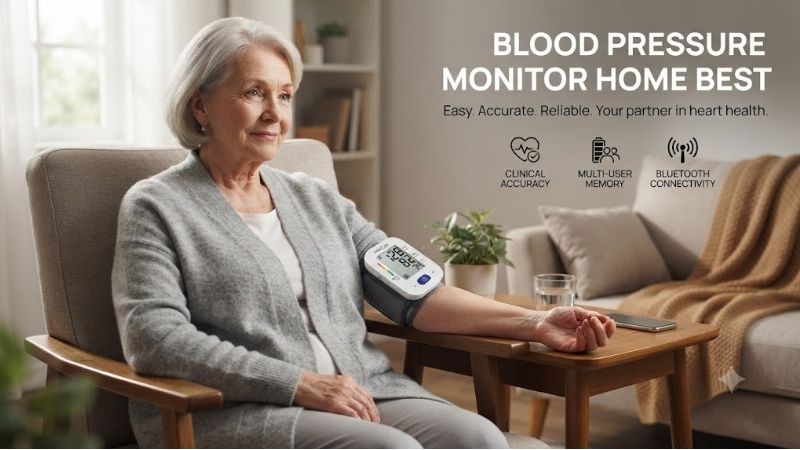
Blood pressure monitor home best models provide precise daily readings to keep your cardiovascular health on track effortlessly. Modern digital cuffs deliver quick systolic measurements while tracking long-term trends directly on your phone. Investing in a reliable unit helps you catch vital heart warning signs early.
As an Amazon Associate we earn from qualifying purchases.



By: Daniel Foster
🛒 Best Price Today on Amazon
Prime members get fast, free shipping on everything above, plus member-only deals. New members get a 30-day free trial — cancel anytime.
How to Choose the Right blood pressure monitor home best
Selecting a top-rated blood pressure monitor home best unit requires evaluating cuff fit, memory capacity, and digital display clarity. Choosing an accurate device ensures reliable hypertension tracking for consistent health management. Buyers should assess smart connectivity options before selecting a final model.
Cuff Size and Physical Comfort
Proper cuff size remains the single most critical factor for securing accurate daily blood pressure measurements at home. Using an ill-fitting arm cuff squeezes too tightly or fits loosely, leading to false high or low readings. Measuring your bicep circumference guarantees a comfortable fit during routine testing.
Standard cuffs accommodate most adult arms, but larger or smaller wrists require specialized adjustable sizing options. Pre-formed cuff designs simplify one-handed application for solo users needing quick morning health checks. Selecting a contoured design prevents pinching and maintains stable positioning on the arm.
Clinical Validation and Accuracy
Ensuring your monitoring hardware carries official medical validation provides peace of mind during everyday testing. Devices tested against rigorous clinical accuracy protocols deliver trustworthy readings that doctors rely on for diagnostic decisions. Verifying independent testing certificates prevents buying inaccurate meters.
Inconsistent readings complicate blood pressure management and create unnecessary health anxiety for patients. Dual-sensor technology measures heart metrics twice per inflation cycle to filter out arm motion artifacts. Investing in validated technology guarantees consistent performance across thousands of cycles.
Data Storage and Smart Syncing
Onboard memory storage allows users to track historical blood pressure trends across several weeks or months easily. Dual-user monitors store separate profiles, preventing mixed data when two family members share one machine. Selecting high memory capacity simplifies long-term cardiovascular monitoring at home.
Wireless Bluetooth connectivity automatically uploads readings to mobile health apps for instant charting and digital storage. Exporting PDF reports directly to your physician improves virtual checkups and prescription adjustments. Smart sync eliminates manual paper logging, keeping your health records organized.
Top Picks
Selecting the best blood pressure monitor home best options depends on whether you prefer Bluetooth app sync, multi-user storage, or compact travel designs. Below, we review top-rated monitors available on Amazon, evaluating their accuracy, cuff comfort, and digital storage features to keep your heart healthy.
| Product Model | Cuff Size | Memory / Sync | Key Feature | Target User |
|---|---|---|---|---|
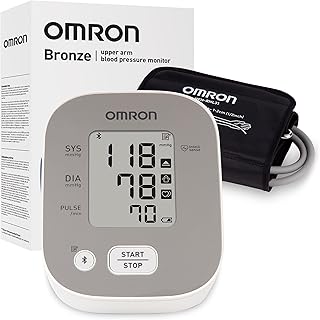
| Omron Platinum (BP5450) | 9″ – 17″ Arm | 200 Reads / Bluetooth | Dual Display Screen | Clinical accuracy seekers |
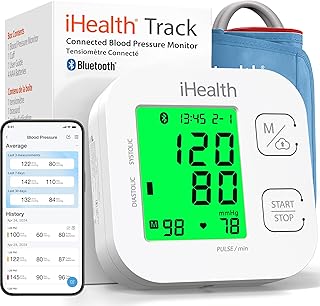
| iHealth Track Wireless | 8.7″ – 16.5″ Arm | 99 Reads / Bluetooth | Backlit Color Display | Budget smart buyers |
| Withings BPM Connect | 9″ – 17″ Arm | Unlimited / Wi-Fi | Seamless Cloud Sync | Tech-savvy users |
| Omron Evolv Wireless | 9″ – 17″ Arm | 100 Reads / Bluetooth | All-in-One Tubeless | Travelers & solo users |
| Greater Goods Smart | 8.75″ – 16.5″ Arm | 60 Reads / Bluetooth | Multi User Support | Couples & households |
| Alcedo Upper Arm | 8.7″ – 15.7″ Arm | 120 Reads / Offline | Live Voice Reading | Seniors & visual care |
Omron Platinum (BP5450)
Ideal for individuals seeking top-tier clinical precision, this premium upper arm monitor features an easy to read display screen. It records up to 200 total readings for two users while automatically averaging your last three measurements. High-contrast dual screens let you compare current results against past trends.
However, the physical console is somewhat bulky compared to streamlined wireless models, making travel storage less convenient. The companion app also occasionally requires re-pairing via Bluetooth connection, yet its unmatched accuracy makes it an exceptional choice for home cardiovascular management.
iHealth Track Wireless
Designed for budget-conscious shoppers, this simple smart monitor features color-coded screen backlights for instant result interpretation. It detects irregular heartbeat alerts automatically during our research, helping users identify potential arrhythmia early. Its wide-range arm cuff provides soft, comfortable inflation.
On the downside, offline memory capacity is limited to 99 internal records, requiring frequent app syncs to clear space. The screen plastic can also scratch easily if carried loosely in bags, but its affordable price and clear visual feedback offer fantastic overall value for everyday health tracking.
Withings BPM Connect
Perfect for tech-savvy users wanting automatic cloud sync, this sleek wireless monitor measures systolic and diastolic pressure via Wi-Fi. It eliminates the need to keep your smartphone nearby during our research, automatically sending data to the app. Its built-in battery lasts up to six full months on a single charge.
The primary drawback is its higher upfront purchase price compared to standard desktop monitors. The LED matrix display on the fabric cuff also displays limited numerical digits at a time, but its seamless Wi-Fi auto-sync renders it an outstanding investment for effortless long-term health tracking.
Omron Evolv Wireless
Engineered for frequent travelers and solo users, this compact all-in-one unit measures blood pressure and pulse rate without any external tubes. Its tubeless arm cuff fits snugly around biceps, delivering rapid readings directly on its integrated screen. Built-in Bluetooth allows smooth data exports to iOS and Android.
However, placing the single-piece monitor on your arm solo requires brief practice to align the sensor properly over the brachial artery. It also lacks multi-user physical profile buttons on the main body itself, but its ultra-portable form factor provides exceptional convenience for active daily users.
Greater Goods Smart Monitor
Great for couples and families sharing health equipment, this tabletop device offers an intuitive multi user mode supporting separate profiles. It features a bright backlit LCD screen with clear metric displays and includes a soft adjustable cuff kit. The device syncs seamlessly with companion health tracking applications.
On the downside, initial mobile app pairing can require multiple attempts during first-time Bluetooth setup. The air pump motor also creates a slightly loud humming sound during active cuff inflation, but its balanced pricing and user-friendly console make it a top pick for home health management.
Alcedo Upper Arm Monitor
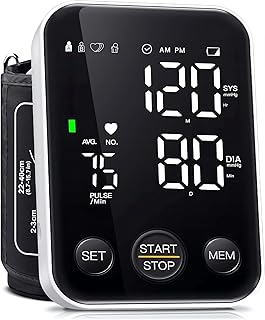
Built for senior citizens and visually impaired users, this vocal blood pressure machine reads measurements aloud clearly in English or Spanish. It features a large high-contrast display with big numerical fonts alongside a simple two-button operation layout. Its memory bank holds up to 120 total health logs.
However, this model lacks wireless Bluetooth or smart app sync capabilities, requiring manual recording for long-term digital health tracking. The voice feature can also feel loud in quiet rooms, though it can easily be muted, making it an incredible budget choice for straightforward daily monitoring.
Frequently Asked Questions
Questions frequently arise when selecting a blood pressure monitor home best unit regarding measurement accuracy, proper cuff positioning, and testing schedules. Below, we answer four common user questions to help clarify operating steps, timing best practices, and data logging before making your purchase.
How do I ensure my home blood pressure readings are accurate?
Ensuring accurate results requires sitting quietly for five minutes before pressing the start button on your monitor. Keep both feet flat on the floor, rest your arm on a table at heart level, and refrain from talking during our research. Avoid caffeine, exercise, and smoking for thirty minutes prior to taking readings.
Positioning the arm cuff directly against bare skin rather than over thick clothing prevents distorted measurements. Taking two consecutive readings one minute apart and averaging the values yields the most reliable overall picture. Bringing your device to doctor visits allows your physician to verify its calibration.
What is the best time of day to check my blood pressure?
Checking blood pressure at consistent daily times provides the most accurate baseline for hypertension tracking. Medical experts recommend measuring twice daily: once in the morning before eating or taking medications, and once in the evening. Maintaining consistent timing eliminates natural daily pressure fluctuations.
Morning readings capture your resting baseline before daily stressors, physical activity, and meals influence your cardiovascular system. Evening measurements offer insight into how your body recovers after daily work and routine routines. Keeping consistent testing habits creates accurate health logs for your doctor.
Are upper arm monitors more accurate than wrist monitors?
Yes, upper arm monitors generally offer superior clinical accuracy compared to wrist-based blood pressure cuffs. The brachial artery in the upper arm sits naturally level with your heart, providing stable, reliable arterial pressure signals. Wrist devices are far more sensitive to body position and arm height errors.
While wrist units offer portability and convenience for travelers, slight wrist movements can skew results significantly. Medical organizations consistently recommend upper arm monitors for home diagnostic tracking and blood pressure monitoring. Upper arm models provide dependable data for long-term health decisions.
How long do home blood pressure monitors usually last?
Quality home blood pressure monitors typically last between three to five years under regular daily usage conditions. Over time, internal air pumps, rubber tubing, and fabric arm cuffs can experience natural wear that impacts pressure accuracy. Replacing worn components or units ensures continued diagnostic precision.
Most medical device manufacturers recommend recalibrating or replacing your monitor every two years to maintain exact accuracy. Checking your device annually alongside your physician’s clinical sphygmomanometer verifies ongoing measurement reliability. Proper storage in protective cases extends hardware lifespan.
Final Thoughts
Selecting the blood pressure monitor home best device comes down to choosing the right cuff size, clinical validation, and smart features for your needs. Whether you prefer a Wi-Fi-connected unit or a simple vocal display monitor, investing in a reliable home device protects your heart and ensures peace of mind daily.




Write Your Review
No reviews yet. Be the first to share your experience!