
Beauty blender best comparisons usually stop at colour and price, which explains why so many sponges end up unused in a drawer. The specifications that actually matter are material, how much the sponge expands when wet, and edge geometry, and this guide compares seven on those terms.
As an Amazon Associate we earn from qualifying purchases.
By Daniel Foster
What Separates One Sponge From Another
Any beauty blender best comparison has to start here: makeup sponges look interchangeable and are not. A hydrophilic polyurethane sponge that swells substantially behaves very differently from a dense microfibre-covered one, and the difference shows up in how much product is absorbed rather than deposited on the skin.
The Decisive Numbers: Material, Expansion and Density
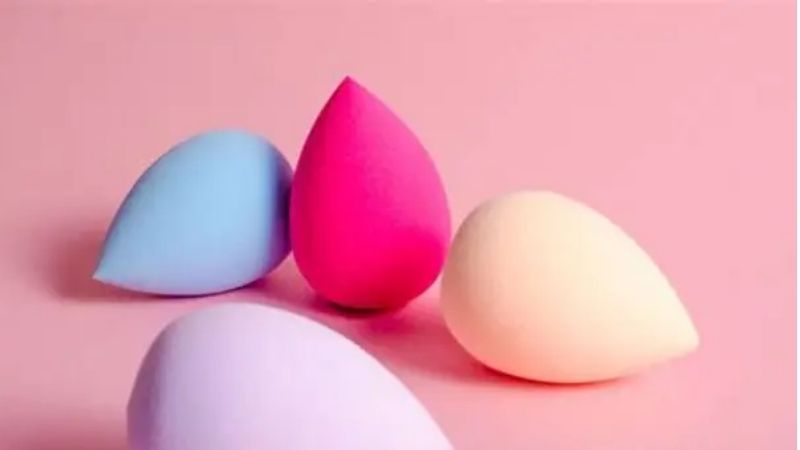
Material is the first split. Most premium sponges use latex-free hydrophilic polyurethane foam, which absorbs water and swells; microfibre-flocked sponges have a velvet surface that holds less product; and cheaper open-cell foams sit somewhere between with faster degradation.
Expansion when wet is the figure that changes technique. A hydrophilic sponge typically grows by roughly a third to a half in volume, and that water content is what stops it drinking your foundation. Any beauty blender best comparison that ignores this misses why some sponges seem to waste product.
Density determines coverage. A softer, more open sponge sheers product out and suits light coverage; a denser sponge presses product into the skin and builds coverage faster. Neither is better in the abstract, which is why the same sponge gets opposite reviews from different people. There is no single beauty blender best answer for every skin type and every formula.
Space and Fit: Drying, Storage and Travel
The beauty blender best practice nobody enjoys is drying, because a wet sponge needs air to dry properly, and a sealed pouch is where most hygiene problems begin. Allow a spot roughly 4 x 4 in (10 x 10 cm) on a ventilated stand or holder, and expect a full dry to take several hours in a bathroom with poor airflow.
For travel, a vented case rather than a plastic bag is the only sensible option, and it needs to fit the sponge at its expanded size rather than its dry size. Measure the shelf or drawer space you have for a drying stand before buying a multi-pack, because a set of six sponges needs somewhere to sit between uses.
Hygiene, Lifespan and When to Replace
Damp foam is a favourable environment for bacteria and mould, which is why manufacturers advise washing after every use and drying fully in open air. A sponge that smells or shows discolouration should be discarded rather than deep cleaned.
Most makers recommend replacing a sponge every three months with regular use, sooner if it tears, crumbles at the edges or stops rebounding. Nothing here is medical or dermatological guidance; anyone with skin concerns should speak with a dermatologist rather than changing tools and hoping.
7 Sponges Compared on Material and Feel
The beauty blender best pick depends on the coverage you want, so read the material column first. These picks span premium to budget and differ meaningfully in material rather than only in shape. Amazon prices change frequently, so treat the tiers as approximate.
| Sponge | Material | Best for | Price tier |
|---|---|---|---|
| Beautyblender Original | Hydrophilic polyurethane | Sheer to medium, liquid | Premium |
| Real Techniques Miracle Complexion | Latex-free foam | All-round value | Budget |
| Juno & Co Microfibre Velvet | Microfibre-flocked | Low product absorption | Mid |
| EcoTools Bioblender | Plant-based foam | Biodegradable option | Budget |
| Morphe Vegan Blending Sponge | Latex-free foam | Dense, buildable coverage | Budget-mid |
| NYX Professional Blender | Latex-free foam | Multipack everyday use | Budget |
| Sephora Collection Sponge | Latex-free foam | Angled precision edges | Mid |
Beautyblender Original: The Reference Point
The sponge the category is named after remains the benchmark for expansion and rebound, swelling noticeably when wet and returning to shape after each press. The rounded body and pointed tip cover cheeks and under-eye in one tool.
It is the most expensive option here by a wide margin, and it absorbs a meaningful amount of product even when properly dampened. The pale colours stain quickly, which is cosmetic rather than functional but bothers some people.
Real Techniques Miracle Complexion: Best Value
A flat edge for contouring, a rounded base for cheeks and a precision tip for the nose, all in one shape at a low price. For most people this is where a beauty blender best shortlist should start before spending more.
The foam is slightly firmer and less expansive than the premium option, so it needs to be thoroughly dampened or it drinks foundation. Longevity is shorter, with edges softening after a couple of months of daily use.
Juno and Co Microfibre Velvet: Minimal Absorption
The flocked microfibre surface sits between a sponge and a brush, holding far less product in the body of the tool, which means less foundation is wasted. It works well with lighter, more fluid formulas.
The velvet finish can drag on very dry skin, and it does not blend cream products as seamlessly as an open foam. Cleaning takes more care because the pile can flatten if scrubbed aggressively.
EcoTools Bioblender: The Biodegradable Choice
Made from plant-derived foam designed to break down at end of life, which addresses the disposable nature of a product replaced four times a year. Performance on liquid foundation is comparable to conventional budget sponges.
The material is firmer when dry and takes longer to soften fully, and it degrades faster with heavy use than synthetic foam. Colour options are limited, and it stains readily.
Morphe Vegan Blending Sponge: Denser Coverage
A firmer, denser foam that presses product into the skin rather than sheering it out, which suits anyone wanting fuller coverage without adding layers. The teardrop shape handles both large areas and corners.
The density means it takes more work to blend edges softly, and it can look streaky if used dry. It also holds water longer, so drying time is at the higher end.
NYX Professional Blender: Everyday Multipack
Sold in multipacks at a price that makes rotating sponges practical, which is the single easiest hygiene improvement in this category. Performance is unremarkable but consistent.
The foam is coarser than the premium options and the rebound is weaker, so it flattens sooner. Edges start to crumble earlier than the mid-tier sponges, which is the trade for the price.
Sephora Collection Sponge: Angled Edges
The angled and flat surfaces give more precision around the nose and jaw than a purely rounded sponge, which is useful for concealer work. Foam quality sits comfortably in the middle of the market.
It is priced above the budget options without matching the premium sponge on expansion. The shape is a preference rather than an upgrade, so it suits detail work more than all-over application.
Getting More Out of Any Sponge
Technique and cleaning routine affect results more than which beauty blender best list you followed.
Dampen Properly Before Every Use
Run the sponge under water until it stops expanding, then squeeze out as much as possible in a clean towel. A properly damp sponge deposits foundation on the skin instead of soaking it up, which is the single biggest change most people can make.
Use a bouncing or stippling motion rather than dragging, which pushes product into the skin evenly without lifting what is already there. For under-eye and around the nose, use the pointed tip with lighter pressure rather than switching tools.
Cleaning Routine and Storage
Wash after every use with a gentle soap or a dedicated sponge cleanser, working the lather through until the water runs clear, then squeeze in a towel and air dry on a ventilated holder rather than in a closed drawer or bag.
A deeper clean once a week helps with stubborn staining, and rotating between two or three sponges gives each one time to dry fully. Replace at around three months, or sooner if it tears, smells or stops springing back.
Seasonal Demand and Buying Timing
Beauty tools follow the general retail calendar rather than an appliance one, with Prime Big Deal Days in early October and Black Friday and Cyber Monday in late November as the next two windows where multipacks and sets are most commonly discounted.
Demand also rises through the run-up to December as sets are bought as gifts, and again in late summer as students restock. Buying a multipack during a sale is a practical way to keep a rotation going, since replacement every three months is the realistic schedule regardless of which sponge you choose.
Frequently Asked Questions
These come up whenever sponges are compared on price alone and the results still differ.
Wet or dry?
Wet, for almost every liquid and cream formula. A dry sponge absorbs product into the foam rather than depositing it, which wastes foundation and gives patchy coverage. Damp and thoroughly squeezed out is the target.
How often should I replace one?
Roughly every three months with regular use, and immediately if it tears, crumbles, discolours or holds an odour after washing. Rotating two or three sponges extends the useful life of each because none stays damp for long.
Is the premium sponge worth the price?
It expands more and rebounds better than budget foam, which some people notice and others do not. Given that all sponges are replaced on the same schedule, a mid-price sponge used correctly usually outperforms a premium one used dry.
See More:
- Best noise cancelling headphones Bose
- Best deal on air fryer
- Best buy Bella air fryer
- Best deals air fryer
- Best blender bottle
Final Thoughts on Choosing a Makeup Sponge
The beauty blender best choice depends on the coverage you want: open, expansive foam for sheer application, denser foam or microfibre for buildable coverage with less product waste. Dampen it properly, wash it after every use, dry it in open air and replace it around every three months. Those habits matter more than which sponge you buy.
Our top picks




As an Amazon Associate we earn from qualifying purchases at no extra cost to you.





Write Your Review
No reviews yet. Be the first to share your experience!