Key takeaways
- Window design: Silent slide windows or mesh-covered shoot-through panels allow concealed movement. Windows with sliding tracks are quieter than zippers or Velcro. Look for adjustable openings for bow or gun use.
- Size and height: Interior height matters for crossbows and tall hunters. Many blinds list interior dimensions in inches. Choose a size that lets you move without hitting the walls.
- Blackout interior: A dark lining helps hide movement. Some blinds include blackout fabric or interior panels.
- Camouflage pattern: Pick a pattern that matches your terrain, such as woods or field.
- Weight and tie-downs: Stakes, ground anchors and guy lines help a pop-up blind stay put in wind. Hard blinds may need bolts or ballast.
- Scent control: Some blinds include vents or sealable seams. They do not eliminate odor, so place and use the blind with the wind direction in mind.
Pick a hard-sided or ground box blind with a weatherproof shell if you want year-round durability and a permanent hunting spot; pick a pop-up hub blind if you want to set up quickly and move between locations; and pick a larger multi-hunter blind only if you need space for a group or a camera operator. The best box blind balances concealment, size, window design, weight and setup time. This guide compares the main blind types, well-known makers, fit and placement checks and trade-offs by budget tier. Check local hunting regulations and land rules before placing any blind.
Our top picks


As an Amazon Associate we earn from qualifying purchases at no extra cost to you.
Box Blinds at a Glance
| Blind type | Best for | Typical stated features | Limits |
|---|---|---|---|
| Hard-sided box blind (Redneck Blinds, Rhino Blinds style) | Permanent stands, long seasons, harsh weather | Rigid walls, shooting windows, door, raised floor options | Heavy; may need a trailer or multiple people to place |
| Pop-up hub blind (Ameristep Doghouse, Primos Double Bull, Barronett style) | Quick setup, scouting, ground hunting | Fabric walls with a hub frame, mesh windows, portable carry bag | Less durable in strong wind; fabric can tear |
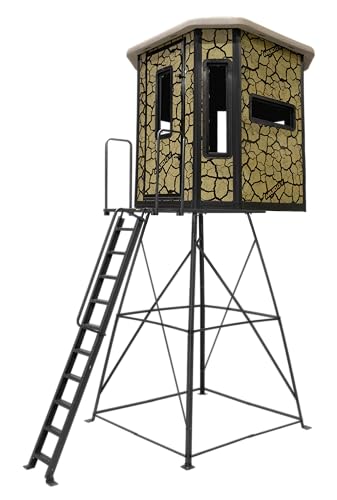
| Elevated box blind or stand | Tree-free elevated hunting | Raised platform with a hard or soft enclosure | Needs a safe, stable structure; climbing safety matters |
| Multi-person or large ground blind | Group hunts or camera crews | Larger footprint, multiple windows | Bulkier to move; more visible |
| Turkey or waterfowl blind | Specialized hunts | Lightweight design with camouflage patterns and low profile | Not suited to every game or location |
Hard-Sided Versus Pop-Up
Hard-sided blinds, such as those made by Redneck Blinds and Rhino Blinds, are built from plastic, steel or wood panels. Makers describe them as durable, quiet and weather-resistant. They are better for long-term placement, because deer and other game tend to get used to a permanent structure. The drawback is weight and setup. Many require two or more people, and some need a vehicle to move.
Pop-up hub blinds, such as the Ameristep Doghouse, Primos Double Bull or Barronett lines, use a flexible frame and fabric. They are lightweight, fold into a bag and set up in minutes. Reviewers say they are good for moving between spots but note that fabric can be noisy in wind and may tear if snagged. Look for quiet fabric and strong frame hubs.
Features to Compare
- Window design: Silent slide windows or mesh-covered shoot-through panels allow concealed movement. Windows with sliding tracks are quieter than zippers or Velcro. Look for adjustable openings for bow or gun use.
- Size and height: Interior height matters for crossbows and tall hunters. Many blinds list interior dimensions in inches. Choose a size that lets you move without hitting the walls.
- Blackout interior: A dark lining helps hide movement. Some blinds include blackout fabric or interior panels.
- Camouflage pattern: Pick a pattern that matches your terrain, such as woods or field.
- Weight and tie-downs: Stakes, ground anchors and guy lines help a pop-up blind stay put in wind. Hard blinds may need bolts or ballast.
- Scent control: Some blinds include vents or sealable seams. They do not eliminate odor, so place and use the blind with the wind direction in mind.
Placement and Setup Checks
- Choose a location with permission and legal access, and check local rules about permanent structures on public land.
- Set up the blind well before the season so game can get used to it. Many hunters brush it in with natural cover to blend.
- Position the blind with the wind and sun in mind, and place shooting lanes before the season.
- Anchor the blind firmly. Strong gusts can lift or tip pop-up blinds if they are not staked.
- Check the floor. A raised or level floor keeps the interior dry, and rugs or mats reduce noise.
- Test the windows and door for silent operation before hunting.
Safety Notes
Hunting from a blind requires careful attention to safe firearm and bow handling. Keep muzzles pointed in a safe direction, identify your target and what is beyond it, and follow local laws and the maker’s guidance. Do not use a heater or open flame inside a fabric blind unless the maker explicitly allows it, and never run a fuel-burning heater without proper ventilation and a carbon monoxide alarm. If you use an elevated blind, use a safety harness and inspect the structure and ladder. When in doubt, consult your state wildlife agency or a hunter-education instructor.
Care and Maintenance
Keep the blind clean and dry. Wipe the interior to remove dust and insects, and check fabric, zippers and windows for wear. Store pop-up blinds dry and folded; do not leave them wet in a bag. Hard-sided blinds should be checked for rodent entry, loose panels and rust. Rinse mud from stakes and anchors, and replace worn parts as needed.
Budget Tiers
| Tier | What you typically get | What you give up |
|---|---|---|
| Budget | Basic pop-up hub blind with fabric walls | Less durable fabric, noisier windows, lower wind resistance |
| Mid-range | Better pop-up blinds with quiet windows or entry-level hard blinds | Some trade-offs in weight or size |
| Premium | Hard-sided blinds, insulated walls, large interiors, elevated options | Higher cost, heavier, harder to move |
Pick X If You Need…
| Pick this | If you need |
|---|---|
| Redneck or Rhino hard-sided blind | A durable, long-term hunting spot |
| Ameristep Doghouse or similar hub blind | A quick, portable setup |
| Primos Double Bull or Barronett | A mid-range fabric blind with quiet windows |
| Elevated blind | A better view and scent control |
| Large multi-person blind | Space for a group or camera operator |
Alternatives to Consider
- Tree stands and ladder stands: For hunters who prefer elevation and a smaller footprint.
- Natural blinds and brush blinds: Built from local materials, they blend with the environment but need maintenance.
- Layout blinds: Low-profile blinds for field and waterfowl hunting.
Common Mistakes When Choosing a Blind
A frequent mistake is buying a blind that is too small. When you add a chair, a bow or crossbow, a pack and a second person, interior room disappears fast, and movement noise follows. Another is placing the blind in an open spot with no background cover, which makes it stand out. Brushing in the sides with natural material and setting it against trees or tall grass helps it blend. Hunters also forget to anchor pop-up blinds, and a sudden gust can move or flip them. Finally, many ignore the sun angle: a blind facing the low sun can silhouette movement through the windows, so consider shade and direction when you choose a spot.
Plan the access route as well. Walk to the blind by a path that keeps your scent and noise away from where game will appear, and leave gear inside if you can do so safely and legally. Keep the interior tidy, with a quiet chair and a place to hang equipment. If you use a hard-sided blind on private land, agree on its placement with the landowner and check rules about leaving structures in the field outside the season.
Final Checklist Before You Order
Confirm the interior dimensions, the number of shooting windows, the carrying weight or setup requirements, the anchoring method and the maker’s warranty. Check how the blind ships, because hard-sided models may arrive in large boxes or on a pallet. Make sure you have permission to place the blind, and plan the setup time before opening day so game can adjust to its presence and you can fix any problems with windows or doors.
Frequently Asked Questions
Can I leave a pop-up blind out all season?
Many hunters do, but fabric can wear in rain, snow and wind. Check the maker’s guidance and anchor the blind well. A hard-sided blind is usually better for permanent placement.
How big should a box blind be?
Choose a blind with enough interior room to move your weapon without hitting the walls. A single hunter may be fine with a smaller blind, while two hunters or a crossbow user need more room.
Do deer notice a new blind?
They can. Place it early, brush it in and avoid making heavy changes near feeding or bedding areas during the season.
Is it safe to use a heater in a blind?
Only if the maker allows it and you ventilate properly. Fuel-burning heaters can produce carbon monoxide, so use a CO alarm and follow the heater’s manual.
What is the quietest window design?
Sliding windows on tracks or mesh shoot-through panels are usually quieter than zippers or hook-and-loop closures. Test them before use.
Do I need a floor in my blind?
A floor helps keep the interior dry and quiet, but it is not essential. Some hunters use mats or boards for stability and noise reduction.
FAQ
Can I leave a pop-up blind out all season?
How big should a box blind be?
Do deer notice a new blind?
Is it safe to use a heater in a blind?
What is the quietest window design?
Do I need a floor in my blind?
More from Amazon
Programs that pair well with the guide above. Offers and eligibility are set by Amazon and may change.
Free shipping on eligible items, Prime Video and more. Eligible new members can start with a free trial.
Start a Prime free trialAudiobooks and podcasts to listen to on the go. Eligible new members can start with a free trial.
Try Audible freeAd-free music streaming. Eligible new subscribers can start with a free trial.
Try Music Unlimited freeA free business account with business pricing and bulk-buying tools for work, shop or home office.
Create a business accountAs an Amazon Associate we earn from qualifying purchases.