
Key takeaways
- Calf circumference. Compression wraps list a range in the specifications. Measure around the widest part of your calf and compare it with the listed range. Wraps that are too tight can feel uncomfortable; those that are too loose may inflate poorly.
- Leg length. Full-leg systems come in regular and tall sizes from some makers. Calf-only wraps are less sensitive to leg length.
- Noise and power. Air pumps are audible. If you want to use one while watching TV or working, look for notes on noise from independent reviewers.
- Corded versus cordless. Some models have rechargeable batteries, while others require a wall outlet. Battery models are more portable but need charging and often have shorter runtime.
- Heat. If a model has a heat function, read the manual for time limits and skin precautions.
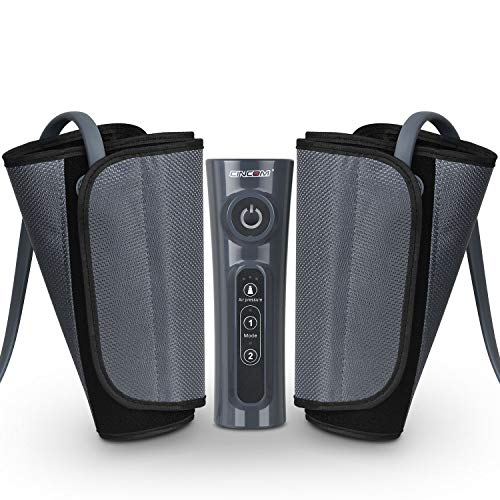
The best calf massager for most people is an air-compression leg massager with wraps that cover the calves, such as the RENPHO or Naipo style units at the budget and mid-range tiers or the Hyperice Normatec at the premium end, while people who want to target specific tight spots are usually better served by a percussion massager like a Theragun or Hypervolt, or a simple foam roller. This guide compares the main styles, lists what makers state about them, and explains the comfort, fit and safety points to weigh before you buy.
Our top picks


As an Amazon Associate we earn from qualifying purchases at no extra cost to you.
Calf Massager Types at a Glance
| Type (example brands) | Best for | Key stated features | Limits |
|---|---|---|---|
| Premium air-compression boots (Hyperice Normatec) | Frequent exercisers and runners who want a full leg system | The maker describes sequential compression through leg attachments, with adjustable intensity and a companion app | Premium tier; bulky; not a deep-pressure tool |
| Mid-range and budget air-compression calf wraps (RENPHO, Naipo and similar) | Desk workers and people on their feet all day | Inflatable chambers, adjustable intensity levels and optional heat on some models, as makers list | Build quality varies; compression feel is mild compared with premium units |
| Shiatsu-style calf massagers with kneading nodes | People who like a kneading feel | Rotating nodes inside a wrap, with optional heat on some models | Can feel strong on sensitive muscles; heavier |
| Percussion massage guns (Therabody Theragun, Hyperice Hypervolt) | Targeting specific tight areas, post-workout | Handheld percussion with interchangeable heads and several speeds | Needs you to hold it; not for use on bony areas or injuries |
| Foam rollers and massage sticks (TriggerPoint and similar) | Budget-conscious athletes | Manual pressure you control | Requires effort and technique |
How the Main Styles Differ
Air compression
These devices wrap around each calf and inflate and deflate chambers in a pattern. Makers describe the result as a squeezing, kneading sensation. They are popular among runners, travellers and people who stand or sit for long hours. The experience is passive, which is the biggest advantage: you strap in and relax. Premium systems such as Normatec use sequential patterns and cover more of the leg, while budget models usually cover only calves and feet and have simpler patterns.
Shiatsu and kneading
These use rotating nodes inside the wrap to simulate a manual kneading massage, and some add heat. They feel deeper than plain air compression for many people, but intensity can be too strong for sensitive muscles. Heat features should be used according to the manual.
Percussion guns
Therabody and Hyperice make handheld devices that deliver rapid, short strokes to muscle. They are portable and good for pinpointing a spot, such as the calf belly. Because you have to hold the gun, they take more effort and attention. Makers advise avoiding use on bones, joints, the front of the shin and the back of the knee, and many recommend short sessions.
Manual tools
A foam roller or massage stick is the simplest, cheapest choice. You control the pressure, which many athletes like, but it demands time and technique.
Fit and Size Notes
- Calf circumference. Compression wraps list a range in the specifications. Measure around the widest part of your calf and compare it with the listed range. Wraps that are too tight can feel uncomfortable; those that are too loose may inflate poorly.
- Leg length. Full-leg systems come in regular and tall sizes from some makers. Calf-only wraps are less sensitive to leg length.
- Noise and power. Air pumps are audible. If you want to use one while watching TV or working, look for notes on noise from independent reviewers.
- Corded versus cordless. Some models have rechargeable batteries, while others require a wall outlet. Battery models are more portable but need charging and often have shorter runtime.
- Heat. If a model has a heat function, read the manual for time limits and skin precautions.
Safety and Health Notes
Leg massagers are consumer wellness devices and are not treatments for medical conditions. Makers commonly advise against using compression devices if you have deep vein thrombosis or a history of blood clots, severe peripheral artery disease, open wounds, skin infections, severe swelling from heart conditions, pregnancy-related concerns, or implanted medical devices, unless a doctor says otherwise. If you have diabetes, neuropathy or circulation problems, talk to a doctor before use, because reduced sensation can hide discomfort. Stop using any massager if you feel sharp pain, numbness or tingling, and see a doctor if calf pain, swelling or redness appears without a clear cause. Follow the manual on session length and intensity.
Budget Tiers
Budget tier
Simple air-compression wraps and foam rollers fit here. They deliver modest compression or manual pressure for light daily use. Expect plastic construction and fewer settings.
Mid-range tier
Better air-compression calf systems, kneading units with heat, and entry-level percussion guns sit in the middle. These typically offer more intensity levels and a stronger motor.
Premium tier
Hyperice Normatec systems and top-line Theragun or Hypervolt models are premium. You pay for refined design, app features and a broader range of attachments, which is only worthwhile if you use the device several times a week.
Pick Table: Which Calf Massager for Which Buyer
| Pick this if you… | Choose | Why |
|---|---|---|
| Run or train often and want a full routine | Hyperice Normatec | Sequential compression across the leg |
| Sit or stand most of the day | Mid-range or budget air-compression calf wrap | Passive use while you work or watch TV |
| Like a deeper kneading feel | Shiatsu-style calf massager | Rotating nodes press into muscle |
| Want to treat one tight spot after workouts | Theragun or Hypervolt | Targeted percussion with different heads |
| Have a tight budget | Foam roller or massage stick | No power needed, you control pressure |
Alternatives to Consider
- Compression socks. These provide steady, passive compression during the day, which can be convenient for travel or long shifts. Follow the sizing chart and talk to a doctor if you have circulation problems.
- Stretching and mobility work. Calf stretches and gentle movement are free and keep muscles loose. Consider a physical therapist for recurring pain.
- Professional massage or physical therapy. A therapist can assess the cause of tight calves, which a device cannot do.
Getting the Most From a Calf Massager
- Start at low intensity. Begin on the gentlest setting and increase gradually. Stronger is not always better, and discomfort is a sign to back off.
- Sit comfortably. Use the device while seated or reclined with legs supported, as the manual directs. Avoid using it while driving or walking.
- Pair with hydration and movement. Massage is one part of recovery. Regular walking, stretching and rest matter as well.
- Keep skin and wraps clean. Wipe wraps with a damp cloth as the maker advises and let them dry before storing. Wear thin clothing between skin and wrap if the manual suggests it.
- Store hoses and cords carefully. Kinked air hoses and bent plugs are common failure points on compression units.
What Independent Reviewers Commonly Mention
Reviewers of compression leg devices often note that the premium tier feels more refined and that cheaper units can have louder pumps and less even pressure. Reviewers of percussion guns tend to separate models by motor power, battery life and noise rather than by the number of attachments. For shiatsu-style units, reviewers frequently mention that the experience varies with how well the wrap fits the leg, so check the circumference range before ordering. None of these devices is a substitute for medical advice when pain persists.
Frequently Asked Questions
Is an air-compression calf massager better than a massage gun?
They do different jobs. Compression wraps provide passive, whole-calf squeezing, while massage guns target specific spots. Many people choose compression for relaxation and a gun for pinpoint work.
How long should I use a calf massager at a time?
Follow the manual. Many makers suggest sessions of roughly 15 to 30 minutes for compression devices and shorter sessions for percussion guns. Stop if you feel pain or numbness.
Can I use a calf massager if I have varicose veins or swelling?
Ask a doctor first. Makers commonly list vein conditions, blood clot history and unexplained swelling as reasons to avoid compression devices without medical advice.
Will a calf massager help with cramps?
Some people find massage and stretching comfortable when muscles feel tight, but massagers are not medical treatments. Frequent or severe cramps, or cramps with swelling or pain, deserve a visit to a doctor.
Do heated calf massagers need special care?
Yes. Follow the manual on session length and skin contact, avoid falling asleep while the heat is on, and do not use heat on numb skin. Stop use if the device or cord becomes unusually hot or damaged.
How do I choose the right size wrap?
Measure your calf at its widest point and compare it with the circumference range the maker lists. If you are between sizes or have larger calves, look for models that mention an extended or adjustable fit.
FAQ
Is an air-compression calf massager better than a massage gun?
How long should I use a calf massager at a time?
Can I use a calf massager if I have varicose veins or swelling?
Will a calf massager help with cramps?
Do heated calf massagers need special care?
How do I choose the right size wrap?
More from Amazon
Programs that pair well with the guide above. Offers and eligibility are set by Amazon and may change.
Free shipping on eligible items, Prime Video and more. Eligible new members can start with a free trial.
Start a Prime free trialAudiobooks and podcasts to listen to on the go. Eligible new members can start with a free trial.
Try Audible freeAd-free music streaming. Eligible new subscribers can start with a free trial.
Try Music Unlimited freeA free business account with business pricing and bulk-buying tools for work, shop or home office.
Create a business accountAs an Amazon Associate we earn from qualifying purchases.







