Key takeaways
- Standard lengths commonly offered include short, mid and floor lengths; check which your set lists.
- Grommet panels shorten the visible drop slightly because the rod sits in the header, so allow for that when measuring.
- Rod-pocket panels gather on the rod and lose a few inches of width, so size up if you want a flat look.
- Extra-wide or extra-long sizes exist from several makers but are not offered for every color.
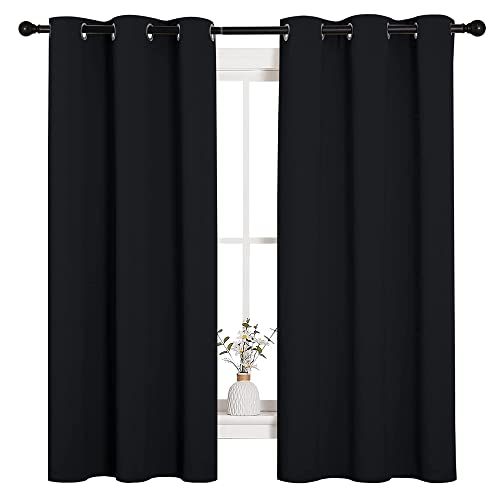
For a bedroom or nursery that needs real darkness and some temperature buffering, a thermal blackout set with grommet or rod-pocket panels from a brand such as NICETOWN, Deconovo or Sun Zero is the practical starting point, while living rooms that want soft daylight and a dressier look are better served by sheer-plus-drape layered sets or semi-opaque linen-look panels. The right set depends less on brand than on four things: how much light you want to stop, how the panel hangs, whether the width and length fit your window, and how you plan to clean it. This guide walks through those choices and compares the kinds of curtain sets that are widely sold, based on what makers publish and what reviewers commonly report.
Our top picks



As an Amazon Associate we earn from qualifying purchases at no extra cost to you.
At a Glance: Curtain Set Types Compared
| Type | Best for | Typical stated features | Limits |
|---|---|---|---|
| Thermal blackout panels (NICETOWN, Deconovo and similar) | Bedrooms, nurseries, shift workers, media rooms | Triple-weave or foam-backed fabric, grommet top, makers state noise and light reduction | Heavier, can feel stiff, light still leaks at the edges |
| Room-darkening panels (Sun Zero, Eclipse and similar) | Bedrooms where full darkness is not essential | Lined or tightly woven polyester, several header styles | Less complete than true blackout in bright rooms |
| Semi-sheer or voile panels | Living rooms, dining rooms, privacy by day | Light filtering, lightweight, easy to wash | Little privacy at night with lights on, no insulation |
| Sheer-plus-drape sets | Formal rooms that need flexibility | Two layers on a double rod, mix of privacy and light | Needs a double rod or a track, more fabric to clean |
| Linen-look or textured panels | Casual, farmhouse and coastal rooms | Woven texture, rod pocket or back-tab headers | Often only light filtering, may wrinkle |
| Velvet or heavy drapes | Cold windows, large living spaces, formal styling | Dense pile, lined options | Heavier rods needed, dry cleaning often advised on the label |
Start With the Job the Curtain Must Do
Most buyers want one of three outcomes: darkness, privacy, or decoration. Darkness is the most demanding. A true blackout panel uses a dense weave, often with a coating or extra layer, and makers describe a high percentage of light blocked. Even so, no panel stops the thin halo of light that escapes around the sides and over the top of the rod. If you sleep in a bright street-facing room, plan the rod to extend beyond the window frame on both sides and sit close to the ceiling, or choose a wrap-around style.
Privacy is easier. Semi-opaque fabrics hide the interior from the street during the day, but at night, with lamps on, most light-filtering panels let silhouettes show. If privacy at night matters, add a lining, choose a darker color, or pair a sheer with a lined drape.
Decoration is the most flexible. Here color, fabric texture and header style matter more than performance claims, and layered sets give you the most room to change the look with the seasons.
Blackout Versus Room Darkening Versus Light Filtering
The labels are used loosely, so read the product page rather than relying on the name. Blackout generally means the maker states a very high light-blocking rate. Room darkening means a noticeable reduction but not total darkness. Light filtering means the fabric diffuses daylight while still letting it in. Thermal on its own is not a promise of blackout; it usually means the panel has a layered or coated construction that the maker says helps reduce heat transfer through the glass. Reviewers often note that thermal panels help the room feel less drafty near a cold window, but the effect depends on how well the curtain seals around the frame and on the window itself.
Sizing: The Mistake That Ruins the Look
Measure before you buy. Measure the width of the window or the rod, not just the glass, and plan for panels to total roughly one and a half to two times the rod width if you want a full, gathered look. Many sets are sold as a pair of panels with a stated width per panel, so a window that is wide may need two sets. Length is the second measurement. Decide whether the hem should hover just above the floor, graze it, or puddle. For a clean modern look, a hem that sits a small gap above the floor is the easiest to keep clean and the safest around pets and children.
- Standard lengths commonly offered include short, mid and floor lengths; check which your set lists.
- Grommet panels shorten the visible drop slightly because the rod sits in the header, so allow for that when measuring.
- Rod-pocket panels gather on the rod and lose a few inches of width, so size up if you want a flat look.
- Extra-wide or extra-long sizes exist from several makers but are not offered for every color.
Header Styles and Rod Compatibility
Grommet tops slide easily and hang in even folds, which suits modern rooms and is simple to open and close. Rod-pocket tops are classic and affordable but are harder to slide, so they suit windows you rarely open. Back-tab and pinch-pleat styles give a tailored look and need hooks or specific rings. Tab tops are casual and best on thinner rods. Check the grommet inner diameter against your rod; makers usually list it, and a thick decorative rod may not fit a narrow grommet. Also consider the rod weight rating: heavy lined or velvet panels can pull a thin rod out of the wall.
Fabric and Care Notes
Polyester is the most common fabric in affordable sets because it resists fading and washes easily. Cotton and linen blends look softer but may shrink or wrinkle, so follow the care label. Velvet and heavy lined drapes often carry a dry-clean or gentle-wash instruction. Foam-backed or coated blackout panels may need cooler water and low-heat drying according to the maker’s label. Always check the tag before the first wash; wrong heat can damage coatings. Vacuuming with a soft brush attachment between washes keeps dust off pleats and folds.
New panels often arrive with creases from packaging. Makers commonly advise a low-heat tumble with a damp cloth or steaming on a low setting, again according to the label. Avoid ironing coated or foam-backed panels directly.
Safety With Children and Pets
Corded blinds are a known hazard, but curtains bring their own considerations. Keep tie-backs, loops and cords well out of reach of young children, and avoid placing a crib or play area where a child can reach hanging fabric or cords. Choose a rod and mounting hardware rated for the weight, and anchor into studs or use the wall anchors the maker supplies. If you live where wildfires or open-flame heaters are a concern, keep curtains away from heat sources and follow the maker’s guidance on fabric and location. If you are unsure about mounting heavy panels, a qualified installer can help.
Budget Tiers: What Changes as You Spend More
Budget tier
Entry-level sets from brands like Deconovo and NICETOWN usually offer polyester panels in many colors, a choice of grommet or rod-pocket header, and blackout or thermal construction in the cheapest ranges. Expect thinner hems, fewer length options and a plasticky hand feel. These sets work well in rentals and kid rooms where you may change the look often.
Mid-range tier
Mid-range sets add heavier fabric, better hems, wider size ranges and more reliable colorfastness. Linen-look and textured panels sit here, along with lined room-darkening sets from Sun Zero and Eclipse. Reviewers frequently point to a nicer drape and fewer loose threads as the main improvement.
Premium tier
Premium curtains include lined velvet, custom sizes and natural fibers such as cotton or linen with interlining. They hang better and last longer, but they need sturdier rods, more careful cleaning and a bigger commitment. If your window is a statement feature, this tier is worth the investment; for a basic bedroom, it is often more than needed.
Pick X If… Decision Table
| Pick this if you want… | Choose | Why |
|---|---|---|
| Maximum darkness for sleep | Thermal blackout grommet panels | Densest weave, makers state the highest light blocking |
| Softer daylight and privacy by day | Semi-sheer or linen-look panels | Diffuse light without a heavy look |
| Flexibility between open and private | Sheer-plus-drape set | Two layers let you adjust light and privacy |
| A cold window to feel less drafty | Thermal or lined heavy panels | Extra layer reduces heat transfer according to makers |
| Easy cleaning | Machine-washable polyester | Simple care and quick drying |
| Rental-friendly setup | Tension rod with lightweight panels | No drilling required |
| A dressy look | Velvet or lined drapes on a sturdy rod | Weight and fullness create a formal drape |
Alternatives to Consider
- Cordless blackout shades. Cellular or roller shades give a tidy look and good light control, and cordless versions avoid cord hazards. They offer less softness than curtains.
- Roman shades. Fabric shades that stack neatly and suit windows where curtains would interfere with furniture.
- Window film and add-on liners. A separate blackout liner behind a decorative curtain gives you the look you want and the darkness you need, and is easy to replace.
Common Mistakes
- Buying panels that are too narrow, so the curtain looks flat and flimsy when closed.
- Mounting the rod directly at the top of the window frame, which leaves a light gap above.
- Ignoring the rod’s weight rating when choosing lined or velvet panels.
- Skipping the care label and washing a coated panel at high heat.
- Ordering a full set of one color without checking a swatch against your wall color.
Frequently Asked Questions
Do blackout curtains block all light?
Not entirely. The fabric can block most light that passes through it, but light still leaks around the edges and above the rod. Mounting the rod wider and higher than the window and choosing wrap-around or returns helps reduce the gap.
How wide should curtain panels be?
For a full, gathered look, plan for the combined panel width to be about one and a half to two times the width of the rod. Check the width per panel on the product page, because many sets include only a pair.
Are thermal curtains worth it?
They can help a drafty or sun-exposed window feel more comfortable, since makers state that layered or coated construction reduces heat transfer. The result depends on the window, how closely the curtain hangs to it and how well it seals at the sides, so treat it as a modest comfort improvement rather than a substitute for window repairs.
Can I machine wash my curtain set?
Many polyester sets are labeled machine washable, usually on a gentle cycle with cool or warm water. Velvet, foam-backed and heavily lined styles may need special care, so follow the instructions on the label and avoid high heat on coated panels.
How do I choose the right curtain length?
Measure from where the rod will sit to where you want the hem to end, and remember that grommet and tab headers sit a little lower than rod-pocket styles. A hem that sits just above the floor is easiest to clean, while a graze or puddle looks more formal.
Are curtains safe in a child’s room?
They can be, provided hardware is secure and there are no loops, cords or tie-backs within a child’s reach. Keep cribs and play spaces away from hanging fabric and use rods and anchors rated for the weight.