
Key takeaways
- Use a variety of postures: feeding, resting and alert.
- Leave a landing zone, often shaped like a J or U, so birds see an open spot to land into the wind.
- Match decoy species to what you see locally.
- Start with a modest number, then add as you learn what works in your area.
- Place decoys within comfortable shooting range, taking the wind and your blind into account.
- Pick up decoys at the end of the hunt, including lines and weights, to keep waters clean.
For most waterfowl hunters, a mixed spread of lifelike floating mallard decoys with a few species-specific additions suits general duck hunting best, a lightweight foam or collapsible set suits walk-in hunters, and a motion decoy such as a spinning-wing unit suits those who hunt open water where it is legal. Which decoys are best depends on your species, the water you hunt, how far you carry gear and what the law allows in your area. Check federal and state waterfowl regulations before you buy anything with motion, because rules vary.
Our top picks



As an Amazon Associate we earn from qualifying purchases at no extra cost to you.
At a Glance
| Type | Example makers | Best for | Key traits | Limits |
|---|---|---|---|---|
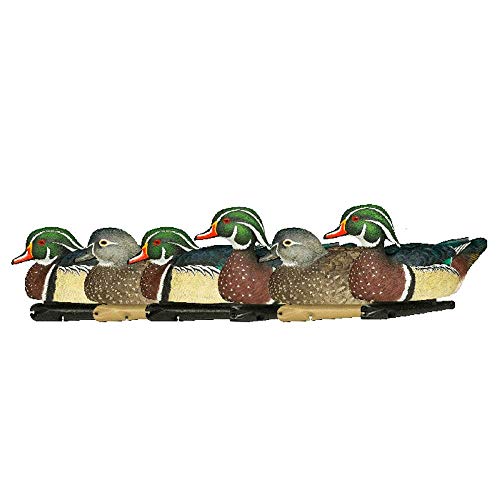
| Floating shell decoys | Avian-X, Greenhead Gear, Higdon Outdoors | Water hunting with dependable, realistic profiles | Detailed paint, keel designs for stability, weighted keels | Bulky to carry in large numbers |
| Foam-filled or solid-body floaters | Various makers | Rough-use hunting, puncture resistance | Doesn’t sink if damaged | Heavier than hollow shells |
| Field decoys: full-body | Higdon Outdoors, Avian-X, others | Field hunting for ducks and geese | Lifelike posture, stakes included | Bulky, heavy to transport |
| Silhouette or shell field decoys | Flambeau, Greenhead Gear, others | Walk-in and long-carry hunts | Stackable, light | Less realistic from side angles |
| Motion decoys (spinning wing, jerk string) | Various makers | Adding movement to a spread where legal | Draws attention from long range | Banned or restricted in some places and seasons |
| Magnum or oversize decoys | Various makers | Visibility at long range in open water | Larger profile | Weight, extra rigging |
Lines are redesigned frequently. The makers above are examples of established brands, so confirm each current model’s dimensions, keel type and included rigging on the maker’s own page.
Regulations First
Waterfowl hunting is regulated at federal and state or provincial level. Rules can limit the use of motion decoys at certain times, require non-toxic shot, and specify legal shooting hours and bag limits. Some places restrict spinning-wing decoys during early seasons or at particular locations. Always read your current regulations from the wildlife agency before the season and ask a conservation officer if you are unsure. Tag and license requirements apply, and hunter safety courses are required in many areas. Never mix up dogs, decoys and gear with other hunters’ setups, and keep clear lanes of fire.
What to Look For
Realism
Ducks see well, and paint detail, head posture and feather texture all contribute to how real a spread looks. Matte finishes reduce glare, which many makers emphasize. Different species have different markings, so use a species mix that matches the birds in your area. A spread of one species with a few extras often looks natural.
Keel design and stability
Keels help decoys sit upright and ride waves. Weighted keels are common, and some makers add a water keel or a flat-bottom design for shallow water. Choose a keel that suits your hunting depth and current. Stability in wind and chop keeps heads facing naturally and avoids tangles.
Materials and durability
Hard plastic shells are common and durable, while foam-filled bodies are puncture resistant. Look for UV-resistant plastic and paint that does not chip easily, since decoys scrape against boats, rocks and each other. Flocked heads reduce glare, but they require gentler handling.
Weight and transport
You may carry dozens of decoys at a time. Stackable or nesting shells, and decoys sold in sets with carry bags, reduce trips. Lighter decoys help walk-in hunters. Consider a decoy bag, a sled or a cart for long distances.
Rigging
Line, weights and clips are part of the system. Some decoys come pre-rigged, and others need weights and cord added. Use a rigging method that suits your water depth and current, and keep line lengths tidy to avoid tangling. Anchors that hold in mud or sand can differ, so carry a mix.
Motion
Spinning-wing decoys, jerk-string rigs and pond-wave devices add movement that attracts birds. Their use is subject to legal limits in some places, and over-use in heavily hunted areas can make birds wary. If you use motion, do so sparingly and follow current rules.
Picks by Need
Best for realism: premium floating shells from Avian-X and Higdon Outdoors
These makers are widely cited by waterfowl outlets for realistic paint and posture. They typically sit in a higher budget tier. Review the species available and rigging included, since some are sold in sets.
Best for value: mid-range sets from Greenhead Gear and Flambeau
Greenhead Gear is known for sets of decoys that cover multiple species at a moderate budget, and Flambeau has offered a range of decoys for field and water use. Expect solid performance at a lower cost than top-end lines, with slightly less detail.
Best for walk-in hunters: lightweight and silhouette decoys
Silhouettes and shells that stack flat cut weight. They are most effective in fields at moderate distances. Pair them with a few full-body decoys for depth.
Best for field hunting: full-body field decoys
If you hunt harvested grain fields, full-body decoys with realistic feeding postures look natural. Use stakes appropriate for the soil and set decoys with heads facing into the wind so they look relaxed.
Best for open water: magnum and motion options
Larger floaters improve visibility at distance, and a single motion decoy can add impact where legal. Use motion lightly so the spread still looks natural.
Decision Table: Pick X If …
| Pick this | If you … | Watch for |
|---|---|---|
| Premium floating shells | hunt pressured water and want realism | Higher budget tier, careful handling |
| Mid-range multi-species sets | want good value to build a spread | Less detailed paint |
| Foam-filled decoys | hunt in rough conditions | Added weight |
| Silhouette or shell field decoys | walk in long distances | Reduced realism from the side |
| Full-body field decoys | hunt fields from a truck | Bulk, storage |
| Motion decoy | hunt where it is legal and need movement | Legal limits, over-use |
Building a Spread
- Use a variety of postures: feeding, resting and alert.
- Leave a landing zone, often shaped like a J or U, so birds see an open spot to land into the wind.
- Match decoy species to what you see locally.
- Start with a modest number, then add as you learn what works in your area.
- Place decoys within comfortable shooting range, taking the wind and your blind into account.
- Pick up decoys at the end of the hunt, including lines and weights, to keep waters clean.
Care and Storage
Rinse decoys after use to remove mud and algae, dry them fully and store them out of direct sun. Untangle lines before storing, and wrap them on a winder or in a decoy bag. Touch up chipped paint with matte exterior paint, and replace worn weights or cords before the season. Handle flocked heads gently.
Safety Notes
Wear a life jacket when hunting from a boat or wading, as cold water is dangerous. Check ice, water depth and weather conditions. Use non-toxic shot as required by law, keep firearms unloaded when transporting, and treat every firearm as loaded. Be careful around mud and slippery banks when setting decoys, and tell someone your plans and expected return time.
Alternatives to Buying a Large Spread
- Layout blinds with fewer decoys: Reduces gear while keeping hunters concealed in fields.
- Calling and scouting: Good calling and placement can reduce how many decoys you need.
- Secondhand decoys: Often available at a lower cost; inspect for cracks and replace rigging.
Frequently Asked Questions
How many duck decoys do I need?
A small spread of a dozen can work on small ponds or creeks, while open water often calls for several dozen. Start with what you can carry and add more as you gain experience. Local hunters or guides can advise on typical spread sizes in your area.
Do I need different decoys for ducks and geese?
Many hunters use dedicated duck decoys for water and larger goose decoys for fields, although mixed spreads are common. Goose decoys are larger and heavier. Choose based on the birds you hunt most.
Are spinning-wing decoys legal?
It depends on where and when you hunt. Some jurisdictions restrict them in parts of the season or on specific lands. Always check the current rules from your state or provincial wildlife agency.
What kind of keel is best?
Weighted keels keep decoys upright in wind and waves and suit most open water. Water keels or flat-bottom designs are useful in shallow water. Match the keel to your typical depth and current.
How do I stop decoy lines from tangling?
Use a decoy winder or bag, wrap lines neatly, and keep cords the right length for your water depth. Many hunters rig each decoy with its own weight and store them in sets. Untangle lines before storing to prevent trouble next season.
Are cheap decoys worth buying?
Budget decoys can work for beginners and for building a larger spread, but they usually have less detail and thinner plastic. A mix of a few premium decoys with lower-cost fillers is a common approach. Replace damaged ones before they affect your hunt.
FAQ
How many duck decoys do I need?
Do I need different decoys for ducks and geese?
Are spinning-wing decoys legal?
What kind of keel is best?
How do I stop decoy lines from tangling?
Are cheap decoys worth buying?
More from Amazon
Programs that pair well with the guide above. Offers and eligibility are set by Amazon and may change.
Free shipping on eligible items, Prime Video and more. Eligible new members can start with a free trial.
Start a Prime free trialAudiobooks and podcasts to listen to on the go. Eligible new members can start with a free trial.
Try Audible freeAd-free music streaming. Eligible new subscribers can start with a free trial.
Try Music Unlimited freeA free business account with business pricing and bulk-buying tools for work, shop or home office.
Create a business accountAs an Amazon Associate we earn from qualifying purchases.







