Key takeaways
- Measure the room and the path. Wide upholstered headboards and storage frames add inches beyond the mattress width. Allow space for walking around the bed and for opening drawers or doors.
- Check height. Platform beds often sit lower than traditional frames. Combined frame and mattress height affects how easy it is to get in and out, especially for older adults or people with limited mobility.
- Check the headboard. Some frames are sold without one. If a wall-mounted or separate headboard is planned, confirm the frame has the required brackets.
- Check floor protection. Hard floors can scuff from leg feet. Felt pads help; follow the maker’s guidance about moving the assembled bed.
- Allow for assembly. Most steel and wood frames use an Allen key or screwdriver. Two people make large sizes much easier.
A metal or solid-wood platform bed with a slat deck suits most buyers who want a simple, box-spring-free frame, an upholstered platform suits people who want a headboard look and a quieter frame, and a storage platform suits anyone short on closet space. The right choice depends less on brand than on four things: the mattress type you own, the slat spacing, the stated weight capacity, and the room you have to work with. This guide explains how those factors play out across the main platform-bed styles and which brands reviewers commonly mention in each group.
Our top picks



As an Amazon Associate we earn from qualifying purchases at no extra cost to you.
Platform Beds at a Glance
| Style | Best for | Typical stated details | Limits |
|---|---|---|---|
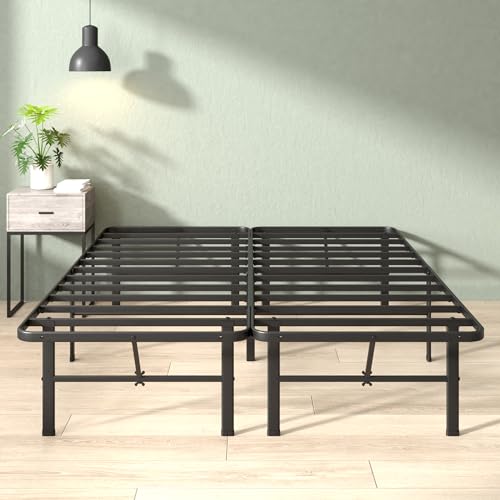
| Steel platform frame (Zinus, Allewie and similar value brands) | Budget buyers, first apartments, guest rooms | Steel rails, wood or metal slats, no box spring needed, tool-assembled | Can squeak over time if bolts loosen; headboard options vary |
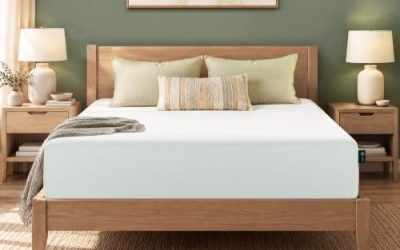
| Solid-wood platform frame | Long-term bedroom furniture, a warmer look | Wood rails and legs, wood slats or a plywood deck; weight capacities vary by maker | Heavier to move, assembly takes longer, mid-range to premium tier |
| Upholstered platform frame | Buyers who want a finished headboard and soft edges | Fabric over a wood or metal structure; slats underneath | Fabric can mark or snag; check the cleaning notes |
| Storage platform (drawers or lift-up) | Small bedrooms, shared rooms | Drawers or hydraulic lift for underbed space | Heavier, needs clearance to open drawers, higher cost tier |
| Low-profile or minimalist frame (Thuma and similar direct brands) | Modern bedrooms, people who want a floor-hugging look | Joinery-based wood designs, often no visible hardware | Low height makes getting in and out harder for some people |
What a Platform Bed Actually Is
A platform bed has a solid or slatted surface built into the frame, so the mattress rests directly on it instead of on a box spring or foundation. That removes one purchase and usually lowers the overall height. It also changes how the mattress breathes and how it is supported, which is why the rules below matter more than they do for a traditional frame.
Check Mattress Compatibility First
Most memory foam, hybrid and latex mattress makers publish support requirements in their warranty terms. Many ask for slats that are spaced no more than a few inches apart, and some require a certain number of slats or a center support rail for queen sizes and larger. Spring mattresses are usually more tolerant, but the maker’s instructions still apply. Before buying a frame, read your mattress warranty and compare it with the frame’s stated slat spacing and center support. If a frame lists wide gaps, a bunkie board or an extra set of slats can close them, but add that only if the mattress maker allows it.
Steel Platform Frames
Steel frames from value-focused brands such as Zinus and Allewie are among the most widely sold because they are straightforward, ship flat and usually include a slat deck. Reviewers often praise how quickly they go together and how well they fit renters, dorms and guest rooms. The common complaints are noise and wobble when bolts are not re-tightened after a few weeks of use. If you choose steel, plan to tighten the hardware periodically and check whether the maker lists a headboard or leaves it open for a separate one. Some versions have a built-in headboard bracket, which helps if you want to add a standalone headboard later.
Many of these frames also leave clearance under the bed. That is useful for bins, but it does not replace a proper storage bed because the open space is exposed. Bed skirts and soft storage bags are the usual fix.
Solid-Wood Platform Frames
Wood frames, including pine, rubberwood and hardwood versions, usually feel more stable because the rails and legs add mass. Makers often list a weight capacity, and it can differ a lot between models, so read it as a stated figure for the whole bed including both sleepers and the mattress. Wood frames are the better pick if you value a quiet frame and plan to keep it for many years. Their downsides are weight, a longer assembly and a higher cost tier. If you move often, a lighter metal frame may be the more practical choice.
Upholstered Platform Beds
Upholstered frames combine a headboard and a padded look with a slat base. They suit bedrooms where the bed is the main visual feature and where you want to lean against the headboard while reading. Fabric type matters: tightly woven polyester is generally easier to wipe clean than a loose linen-look weave, but follow the cleaning instructions the maker provides. Households with pets that scratch should consider a leather-look or wood alternative because claws can pull loose threads.
Storage Platform Beds
Drawer and lift-up storage beds turn the area under the mattress into a dresser substitute. Drawer styles need clear floor space on the sides or foot so the drawers can slide out. Lift-up styles use gas struts and are usually better at keeping the bed away from the wall for tight rooms, though the struts and the weight of the mattress mean you should check the maker’s mattress weight and thickness limits. In both cases, assembly is longer and the bed is heavier, so storage platforms are a mid-range to premium tier purchase for most buyers.
Fit, Size and Room Notes
- Measure the room and the path. Wide upholstered headboards and storage frames add inches beyond the mattress width. Allow space for walking around the bed and for opening drawers or doors.
- Check height. Platform beds often sit lower than traditional frames. Combined frame and mattress height affects how easy it is to get in and out, especially for older adults or people with limited mobility.
- Check the headboard. Some frames are sold without one. If a wall-mounted or separate headboard is planned, confirm the frame has the required brackets.
- Check floor protection. Hard floors can scuff from leg feet. Felt pads help; follow the maker’s guidance about moving the assembled bed.
- Allow for assembly. Most steel and wood frames use an Allen key or screwdriver. Two people make large sizes much easier.
Pick X If …
| If you want … | Choose | Why |
|---|---|---|
| The lowest cost tier and easy moves | Steel platform frame | Lightweight, flat-packed and widely available |
| A quiet, long-lasting frame | Solid-wood platform | Heavier build, usually fewer squeaks when assembled properly |
| A finished headboard look | Upholstered platform | Padded headboard and soft edges in one piece |
| More storage in a small room | Storage platform bed | Drawers or lift-up space replaces a dresser |
| A modern, low look | Low-profile wood frame | Minimal hardware and clean lines |
| A foam or hybrid mattress with strict support rules | Frame with closely spaced slats and a center rail | Meets typical warranty support requirements |
Budget Tiers
Budget: Steel frames from Zinus, Allewie and comparable brands. Expect a basic slat deck and a simple design. This tier works well for guest rooms and for buyers who plan to replace the frame within a few years.
Mid-range: Solid-wood frames, upholstered frames and many storage designs. You gain stability and a more finished look, and many options include a headboard.
Premium: Hardwood furniture, designer upholstered frames and direct-to-consumer brands such as Thuma, which emphasize joinery and a minimalist look. You pay for materials, finish and design rather than for features that change how the bed performs.
Alternatives to a Platform Bed
- Adjustable base: If you want to raise your head or feet, an adjustable base replaces the frame and the foundation, but confirm that your mattress is rated for use on one.
- Traditional frame with a foundation: A better choice if your mattress maker requires a specific foundation or if you prefer a higher bed.
- Bunkie board over an existing frame: A slim solid board can add support to a wide-slat frame without a full replacement, as long as the mattress maker approves it.
Care and Maintenance
Re-tighten the frame hardware after the first few weeks and again every few months, since this is the main fix for squeaks. Vacuum under the bed to keep dust from building up. Rotate and flip the mattress only as its maker instructs. For upholstered frames, vacuum with a brush attachment and treat stains according to the cleaning code on the tag. For wood, wipe with a dry or lightly damp cloth and avoid harsh cleaners that could damage the finish.
Frequently Asked Questions
Do I need a box spring with a platform bed?
No. A platform bed has its own slats or solid deck, so the mattress sits directly on it. Adding a box spring on top of a platform base can raise the height and may affect the mattress warranty.
How far apart should the slats be?
Many foam and hybrid mattress makers ask for slats that are only a few inches apart, and the exact figure is in each warranty. Check your mattress paperwork and compare it with the slat spacing listed by the frame maker. If the gaps are too wide, ask the mattress maker whether a bunkie board is acceptable.
Are platform beds noisy?
They can be, mostly when bolts loosen or metal parts rub. Tightening hardware, adding felt or rubber pads at contact points and choosing a sturdier frame usually help. Wood frames with tight joinery are often quieter than light metal ones.
Will a platform bed work for a heavy sleeper or a couple?
It can, but check the weight capacity the maker lists and confirm it covers the mattress and everyone who will use the bed. Capacities vary widely between models, and a center support rail matters more in queen and king sizes.
Can I use a platform bed in a small bedroom?
Yes. A low-profile frame without a footboard keeps the room feeling open, and a storage platform can replace a dresser. Measure the clearance for drawers before ordering.
How long does a platform bed last?
Lifespan depends on materials, assembly and use. Solid-wood frames are generally expected to outlast lightweight metal ones, but proper assembly and periodic tightening matter for every type.
FAQ
Do I need a box spring with a platform bed?
How far apart should the slats be?
Are platform beds noisy?
Will a platform bed work for a heavy sleeper or a couple?
Can I use a platform bed in a small bedroom?
How long does a platform bed last?
More from Amazon
Programs that pair well with the guide above. Offers and eligibility are set by Amazon and may change.
Free shipping on eligible items, Prime Video and more. Eligible new members can start with a free trial.
Start a Prime free trialAudiobooks and podcasts to listen to on the go. Eligible new members can start with a free trial.
Try Audible freeAd-free music streaming. Eligible new subscribers can start with a free trial.
Try Music Unlimited freeA free business account with business pricing and bulk-buying tools for work, shop or home office.
Create a business accountAs an Amazon Associate we earn from qualifying purchases.