Key takeaways
- Leaving the proprietary charger at home. Rechargeable brushes become a manual brush with a heavy handle once the battery dies, so photograph the charger on your packing list.
- Sealing a wet head in a closed case. Moisture trapped overnight encourages odor; open the cover or case once you arrive.
- Skipping the spare head. A head lost or crushed in a bag is hard to replace abroad, and proprietary fittings rarely match local brands.
- Switching modes at the last minute. A new mode on a new brush can feel strange on a trip; set it up and try it at home before you leave.
- Ignoring voltage. Most USB-charged brushes are fine anywhere, but a charger with a wall plug should be checked for the input range printed on it.
The best portable electric toothbrush depends on how you travel. For a carry-on kit with the least fuss, a slim AAA-powered brush such as the Quip or the Philips One by Sonicare is easiest to pack. If you want full home-grade cleaning on the road, the Oral-B iO Series 3 with its travel case or a rechargeable Philips Sonicare 4100 gives up almost nothing in power but takes more space and needs a charger.
Our top picks

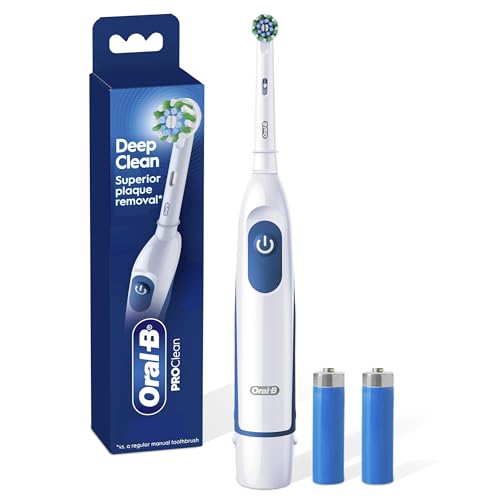
 Oral-B 3D White Action Power Toothbrush
- Oral-B 3D White AA Battery powered toothbrush with…
- Rotating Action Cup brush head hugs each tooth…
- Cleand and Whitens for naturally whiter teeth Whitens…

As an Amazon Associate we earn from qualifying purchases at no extra cost to you.
The Real Choice: Battery-Powered or Rechargeable
Portable electric toothbrushes fall into two practical groups. Battery brushes run on a replaceable AAA or AA cell, weigh very little and cannot strand you with a flat battery abroad. Rechargeable brushes have stronger motors and more modes, but they depend on a proprietary charger, and forgetting the cradle can leave you with a dead handle after a week. Neither category is better in general; the right one follows your trip length and luggage style.
Quick Comparison
| Pick | Best for | Power source | Travel notes | Price range |
|---|---|---|---|---|
| Philips One by Sonicare | Lightest carry-on option | Replaceable battery | Slim handle, travel cover included on many bundles | Budget |
| Quip electric toothbrush | Minimal packing and design | AAA battery | Cover doubles as a mount, slim profile | Budget to mid |
| Oral-B iO Series 3 | Home-quality cleaning on trips | Rechargeable, magnetic charger | Travel case on selected editions; proprietary charger | Mid-range |
| Philips Sonicare 4100 | Best rechargeable value | Rechargeable base | Compact handle, travel case on common bundles | Mid-range |
| Philips Sonicare ProtectiveClean 6500 | Charging travel case | Rechargeable, charging case | Case charges the handle on the go | Upper mid |
| Burst sonic toothbrush | Subscription head plan | Rechargeable | Slim body, travel cover | Mid-range |
Specifications come from manufacturer product pages; bundles differ, so check which case, charger and heads are included.
Best Ultra-Light Pick: Philips One by Sonicare
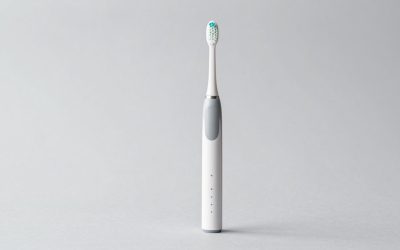
The Philips One is a sonic brush that runs on a replaceable battery rather than a rechargeable base. That makes it the easiest to leave in a gym bag or backpack: no cradle, no cable and no wall adapter. It suits short trips, commuting and keeping a spare at the office. The trade-off is fewer modes and less power than the rechargeable Sonicare range, so it works better as a second brush than as your only one if you want maximum plaque control.
Best for Minimal Packing: Quip
Quip’s slim handle uses a single AAA battery and a cover that doubles as a mount, so it takes up little space in a toiletry bag. Brush heads are on a subscription schedule, which helps with the three-month replacement habit. It is not the most powerful brush here, but for a few days away it gives you a consistent clean with almost no logistics.
Best Full-Size Cleaning for Travel: Oral-B iO Series 3
The iO Series 3 is a full-sized home handle, so you are not downgrading your brushing on a trip. It is a strong option when you want the same round-head action as your home brush. The catch is size and charging. The charger is proprietary and magnetic, so if you forget it you cannot recharge, and the handle is heavier than slim travel models. Look for editions that include a travel case.
Best Rechargeable Value: Philips Sonicare 4100
The Sonicare 4100 is a lightweight rechargeable handle with a pressure alert, timer and a travel case on many bundles. It is a sensible choice if you want one brush for home and travel and prefer sonic motion. Battery life is typically measured in weeks per the manufacturer, so a single charge covers most vacations.
Best Charging Case: Philips Sonicare ProtectiveClean 6500
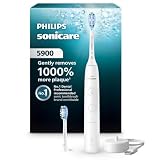
Where this model differs is the travel case that recharges the handle on the go, which helps on long trips with unreliable outlets. It is bulkier than slim battery brushes and costs more, which makes it a better fit for frequent flyers than occasional vacationers.
Best Subscription Option: Burst
Burst sells a slim sonic brush with a travel cover and a head subscription. It is a reasonable middle ground if you want rechargeable power without a bulky handle, though head replacements are tied to the brand’s ecosystem.
Packing Math: What It Adds to Your Bag
Weight is the hidden cost of full-size brushes. A slim battery handle usually weighs well under a typical rechargeable handle with its charger, and a travel case adds volume even if it adds little weight. If you are packing carry-on only, the difference matters more for space than for weight.
| Setup | Items to pack | Typical trip length covered |
|---|---|---|
| Battery brush (AAA) | Handle, spare head, optional spare battery | Several weeks per battery set |
| Rechargeable full-size | Handle, charger, case, spare head | 1 to 3 weeks per charge |
| Rechargeable with charging case | Handle, case, USB cable | Multiple weeks, recharged in the case |
How to Choose
Decide How Long You Travel
For weekends and business trips, a battery brush is enough. For month-long trips or if you want identical performance to home, bring the rechargeable handle.
Check Airline and Charger Rules
Lithium batteries in handles are generally fine in carry-on, but confirm with your airline. Bring a plug adapter if the charger does not use USB.
Protect the Head
Choose a model with a cover or case that closes over the head. A damp, uncovered head in a bag picks up lint and bacteria.
Consider Replacement Heads
Whatever you buy, check head price and availability. Proprietary heads are the long-term cost of any electric brush.
Matching a Brush to Your Trip
| Your situation | Best match | Why |
|---|---|---|
| Carry-on only, weekend trips | Quip or Philips One | No charger, almost no weight, simple cover |
| Two-week vacation, one outlet | Sonicare 4100 | One charge usually lasts the trip, familiar sonic feel |
| Frequent flights, hotel stays | Sonicare ProtectiveClean 6500 | Case recharges the handle between stops |
| Want identical results to home | Oral-B iO Series 3 | Full-size round head and pressure feedback |
| Camping or backpacking | Battery brush with spare cell | Works without any outlet at all |
Common Travel Mistakes
- Leaving the proprietary charger at home. Rechargeable brushes become a manual brush with a heavy handle once the battery dies, so photograph the charger on your packing list.
- Sealing a wet head in a closed case. Moisture trapped overnight encourages odor; open the cover or case once you arrive.
- Skipping the spare head. A head lost or crushed in a bag is hard to replace abroad, and proprietary fittings rarely match local brands.
- Switching modes at the last minute. A new mode on a new brush can feel strange on a trip; set it up and try it at home before you leave.
- Ignoring voltage. Most USB-charged brushes are fine anywhere, but a charger with a wall plug should be checked for the input range printed on it.
Frequently Asked Questions
Can I take an electric toothbrush on a plane?
Yes, electric toothbrushes are generally allowed in both carry-on and checked bags. Lithium batteries are usually best kept in carry-on, and you should check your airline’s current rules.
Are battery toothbrushes as good as rechargeable ones?
They clean well for daily use, but rechargeable models typically have stronger motors, more modes and pressure sensors. For short trips the gap is small.
How do I keep my toothbrush clean while traveling?
Rinse the head well, shake off water and store it in a ventilated case or with its cover loosely on. Let it dry fully when possible rather than sealing a wet head in a bag.
Which travel toothbrush has the longest battery life?
Brushes with replaceable batteries can run for weeks to months per set according to the manufacturers, and many rechargeable handles claim one to three weeks. Exact numbers depend on mode and use.
Do I need a travel case?
A case protects the head and prevents damage from other items, so it is worth having. A charging case is helpful on long trips but adds bulk.
FAQ
Can I take an electric toothbrush on a plane?
Are battery toothbrushes as good as rechargeable ones?
How do I keep my toothbrush clean while traveling?
Which travel toothbrush has the longest battery life?
Do I need a travel case?
More from Amazon
Programs that pair well with the guide above. Offers and eligibility are set by Amazon and may change.
Free shipping on eligible items, Prime Video and more. Eligible new members can start with a free trial.
Start a Prime free trialAudiobooks and podcasts to listen to on the go. Eligible new members can start with a free trial.
Try Audible freeAd-free music streaming. Eligible new subscribers can start with a free trial.
Try Music Unlimited freeA free business account with business pricing and bulk-buying tools for work, shop or home office.
Create a business accountAs an Amazon Associate we earn from qualifying purchases.