For most homeowners, a full shower panel tower is the easiest way to add multiple spray functions without opening the wall, while solid-surface or acrylic wall panels from makers such as Delta, Kohler or Moen suit a full bathroom renovation, and a basic wall-mounted tower suits rentals and quick upgrades. The best pick depends on whether you want a new wall system or an add-on tower, how much plumbing work you can take on, and your home’s water pressure.
Our top picks


As an Amazon Associate we earn from qualifying purchases at no extra cost to you.
Two Products Share This Name
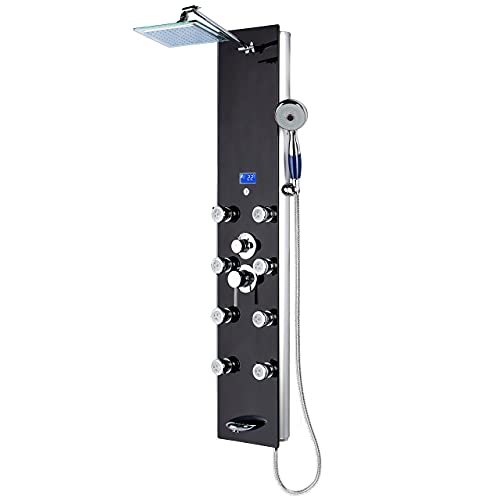
The phrase “shower panel” covers two different products. The first is a shower tower or shower panel system: a vertical panel with a rain head, hand shower, body jets and a mixer, mounted on the wall and connected to your existing supply. The second is a wall panel or surround: large sheets of acrylic, solid surface or composite that replace tile. This guide covers both, because buyers often look for both under the same keyword. Be sure which one you mean before ordering.
Shower Panels at a Glance
| Option | Type | Best for | Limits |
|---|---|---|---|
| ELLO&ALLO and similar tower panels | Wall-mount shower tower with rain head and body jets | Budget to mid-range upgrade of an existing shower | Needs correct plumbing connection; flow and pressure vary |
| HOMELODY and similar towers | Stainless or aluminum tower with LED or digital display on some models | Buyers wanting a showy display and multiple modes | Electronics add failure points; check power requirements |
| Delta wall surrounds | Acrylic or composite wall panels | Full bathroom renovation, tile replacement | Requires accurate wall measurement and often a professional installer |
| Kohler shower wall panels | Solid-surface or composite panels | Premium renovation with easy-clean surfaces | Premium tier; must match the tub or base footprint |
| Moen shower systems | Valve-and-trim shower systems | Replacing a shower valve with matching trim | Valve work is plumbing and often needs a licensed plumber |
Check each maker’s current specifications and any required plumbing parts, because tower panels often ship with trim only and require a separate rough-in valve or diverter.
Shower Tower Panels: What to Check
Connection and plumbing
Many towers are designed to connect to an existing hot and cold supply with a diverter. Some include a mixing valve and some do not. Check the maker’s installation guide for the supply connection, the wall thickness, and whether you need to cut into the wall. If you are not comfortable with plumbing, hire a licensed plumber. A leak behind a wall can cause damage that is expensive to fix.
Water pressure and flow
Multi-jet towers use more water openings than a single head, and low pressure can make the spray weak. Makers usually state a recommended pressure range or flow rate. Check your own home pressure, and note local rules on shower flow limits.
Finish and materials
Stainless steel, brushed aluminum, tempered glass and ABS plastic are common. Stainless and glass tend to last longer in hard water but need more cleaning to avoid spots. Look at the maker’s stated materials, and be aware that “stainless” can mean different grades.
Electronics
Some towers include LED lights, digital temperature displays or battery packs. Check what powers them and whether the maker says they are water-rated. Do not wire any electric component yourself unless you are qualified, and consult an electrician for anything that connects to mains power in a wet area.
Wall Panels and Surrounds: What to Check
- Measure your alcove or tub-surround precisely. Makers publish panel sizes, and the fit depends on wall squareness.
- Check the material: acrylic is lighter and cheaper, composite and solid surface are heavier and more durable.
- Look at the seam design. Fewer joints mean fewer places for water to enter, and makers often include sealant instructions.
- Consider the installation: some panels can be glued over existing walls, others need a clean substrate. Follow the manual closely.
- Ask whether the panels are rated for use directly behind a shower. Not every decorative wall panel is.
Safety and Care
Use a thermostatic or pressure-balanced valve where the maker’s instructions specify one, and set your water heater to the temperature recommended by local guidance to reduce scalding risk. Install grab bars and a non-slip mat if anyone in the home has balance issues. Clean with products the maker allows, because harsh cleaners can damage finishes. If you see water stains on the wall behind a panel, stop using the shower and call a plumber. Electrical components in a shower must follow local code, so consult a licensed electrician.
Budget Tiers in Plain Terms
Budget: basic aluminum or ABS towers and thin acrylic wall panels. Mid-range: stainless towers with multiple spray modes and thicker acrylic surrounds from brands like Delta. Premium: solid-surface panels from Kohler, designer valve systems from Moen, and professionally installed units with longer warranties. Warranty terms and finish quality tend to improve as you go up, and installation cost can exceed the product cost on premium wall panels.
Pick X If You Want…
| If you want… | Pick | Why |
|---|---|---|
| A quick upgrade without remodeling | A wall-mounted tower panel | Mounts on the surface; fewer demolition steps |
| To replace old tile | An acrylic or composite wall surround | Large panels with fewer grout lines |
| Easy cleaning | Solid-surface panels | Non-porous surface with minimal seams |
| Several spray modes in one unit | A multi-jet tower | Rain head, hand shower and body jets |
| Low maintenance and simple controls | A basic valve-and-trim shower system from Moen or similar | Fewer parts to fail |
| A rental-friendly option | A tower that mounts to existing connections | Easier to reverse, subject to your lease |
Planning the Installation
Before ordering, turn off the water at the main shutoff, look at the existing shower valve, and note the type, wall depth and pipe spacing. Take photos and measurements to compare with the maker’s installation guide. Towers often cover a space of a standard width, but alcove shapes, window ledges and soap niches can interfere. Look for a maker that publishes a PDF manual before purchase, since it tells you exactly which parts are included and which you must buy separately, such as a diverter, flexible hoses or a mixing valve.
For wall panels, let the panels sit in the bathroom for the time the maker advises so they adjust to room temperature. Dry-fit every piece before applying adhesive, and use the sealant the maker lists around seams and fittings. If the wall behind shows signs of moisture damage, mold or soft spots, repair those first, because a new panel will only hide the problem.
After installation, run the shower and inspect the connections for drips. Look again after a day or two, since small leaks can appear once pipes warm and cool. Keep the maker’s warranty documents and installation photos in case of a claim. If you rent your home, ask the landlord before you cut or drill, since panel installation can be difficult to reverse.
Alternatives
A shower head and hand shower combo
If you want better spray without a full panel, a combo head on your existing arm is much simpler and needs no new plumbing.
Tile or sheet-wall surrounds
Tile offers the widest design freedom, but it requires skilled labor and regular grout maintenance. Fiberglass or sheet-vinyl surrounds are cheaper and quicker.
Prefabricated shower stalls
A complete shower kit includes base, walls and door and is suitable for a full replacement. It involves the most work and cost but gives a matched system.
Frequently Asked Questions
Can I install a shower panel myself?
Some surface-mounted towers can be fitted by a confident DIYer if they connect to existing fixtures, but any change to valves or pipes inside the wall is plumbing work. If you are unsure, hire a licensed plumber and follow the maker’s instructions.
Do shower panels work with low water pressure?
Multi-jet panels can feel weak on low pressure because the flow is split across several outlets. Look for the maker’s recommended pressure range and test your home pressure first.
Are shower towers safe to use with electronics?
Only if the maker states the components are rated for wet locations and the installation follows local electrical code. A licensed electrician should handle any mains power connection.
How do I clean a shower panel?
Wipe it with a soft cloth and a mild cleaner that the maker allows. Avoid abrasive pads and strong chemicals that can scratch or dull the finish, and descale nozzles as the manual advises.
What is the difference between a shower panel and a shower system?
A shower panel or tower is typically a surface-mounted vertical unit, while a shower system usually refers to a valve, trim and head set that fits in the wall. Both can include multiple spray options, but installation differs.
Will wall panels leak at the seams?
They can if seams are poorly sealed or the wall is out of square. Follow the maker’s sealant and installation steps closely, and consider professional installation for premium panels.
FAQ
Can I install a shower panel myself?
Do shower panels work with low water pressure?
Are shower towers safe to use with electronics?
How do I clean a shower panel?
What is the difference between a shower panel and a shower system?
Will wall panels leak at the seams?
More from Amazon
Programs that pair well with the guide above. Offers and eligibility are set by Amazon and may change.
Free shipping on eligible items, Prime Video and more. Eligible new members can start with a free trial.
Start a Prime free trialAudiobooks and podcasts to listen to on the go. Eligible new members can start with a free trial.
Try Audible freeAd-free music streaming. Eligible new subscribers can start with a free trial.
Try Music Unlimited freeA free business account with business pricing and bulk-buying tools for work, shop or home office.
Create a business accountAs an Amazon Associate we earn from qualifying purchases.