Investing in a high-end entertainment space requires looking beyond basic component integration. As home entertainment standards evolve through 2026, premium smart home theater automation and control packages have shifted from simple remote replacements to comprehensive ecosystems that manage audio, video, lighting, climate, and acoustics seamlessly. When you are orchestrating multiple zones, high-bitrate video streams, and multi-channel immersive audio, a fragmented setup simply will not deliver the reliable, theater-like experience you expect.
Choosing the right automation ecosystem can feel overwhelming given the sheer variety of proprietary hardware, control protocols, and software interfaces available on the market today. The goal of this decision guide is to strip away marketing jargon and focus on the technical factors that dictate long-term reliability, responsiveness, and ease of use. By understanding what truly matters—from network infrastructure to professional programming architectures—you can make an informed investment that protects your entertainment hardware for years to come.
As an Amazon Associate we earn from qualifying purchases at no extra cost to you.

Understanding the Core Components of High-End Control Systems
A truly premium home theater automation package is built around a centralized processor or hub that acts as the brain of the operation. Unlike basic universal remotes that rely on line-of-sight infrared signals, advanced control systems utilize IP control, serial communication, and two-way feedback. This means your interface doesn’t just send a command to turn on the projector; it receives real-time confirmation that the projector has warmed up, the lens memory has shifted to the correct aspect ratio, and the motorized masking screens are fully deployed. When evaluating packages, prioritize systems that offer robust local processing capabilities rather than relying entirely on cloud servers, as local control ensures near-instantaneous response times and uninterrupted operation even if your internet connection drops unexpectedly.
Protocol Compatibility: Zigbee, Z-Wave, Matter, and Proprietary Busses
The communication protocols used by your automation package dictate how reliably your devices will talk to one another. Premium theater packages often blend proprietary hardwired busses—such as specialized control lines—with wireless mesh protocols like Zigbee, Z-Wave, and newer industry standards. Hardwired connections are virtually immune to radio frequency interference and are ideal for mission-critical components like lighting dimmers, shade controllers, and primary processors. Wireless protocols, on the other hand, offer flexibility for retrofitting accessories or adding secondary zone controls. Ensure the package you select supports open standards alongside proprietary ecosystems to prevent vendor lock-in and allow future hardware additions without replacing your entire infrastructure.
Centralized Rack vs. Distributed In-Room Hardware
How and where you house your AV and automation hardware plays a massive role in system longevity and acoustic performance. Premium automation packages often dictate a centralized equipment rack architecture, where all source components, matrix switchers, amplifiers, and automation controllers are housed in a dedicated mechanical room or ventilated rack away from the theater itself. This keeps fan noise, LED light pollution, and thermal output entirely out of the viewing environment. When selecting a control package, verify that it includes reliable long-distance transmission solutions—such as specialized extenders—to route uncompressed high-definition video and control signals from your central rack to the display device without latency or signal degradation.
User Interfaces: Touchpanels, Remotes, and Voice Integration
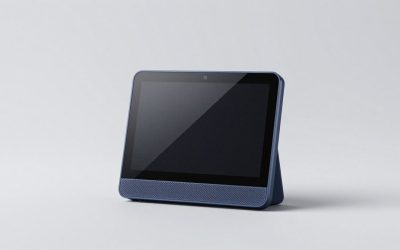
The best automation system is only as good as its user interface. Everyone in your household should be able to operate the theater without consulting a manual. Premium packages typically offer a multi-layered approach to control: backlit handheld remotes with hard buttons for tactile operation in the dark, dedicated in-wall or tabletop touch panels for deep system configuration, and mobile app or voice integration for casual media streaming. Look for remotes that feature clear screens or custom buttons that dynamically change based on the active activity—such as switching from a movie streaming profile to a dedicated gaming mode. Avoid relying solely on generic tablets or smartphones, as the lack of physical buttons makes pausing or adjusting volume in the dark frustratingly difficult.
Scalability and Future-Proofing for Evolving Media Formats
Media technology changes rapidly, and a high-end theater control package must be capable of adapting to future formats without requiring a complete rip-and-replace. When reviewing specifications, examine the bandwidth capabilities of the video matrix or switching components included in the package. They must support high-bandwidth digital content protection standards, high frame rates, and high dynamic range video passing without bottlenecks. Furthermore, look for automation platforms that receive regular, secure firmware updates directly from the manufacturer. Scalability also applies to physical zones; ensure your chosen processor has spare input and output ports so you can easily integrate upcoming accessories like secondary subwoofers, automated seating actuators, or environmental sensors.
Professional Programming vs. DIY Configuration
One of the most critical decisions in selecting a premium automation package is determining how it will be programmed and maintained. While consumer-grade systems emphasize user-friendly DIY configuration apps, truly high-end systems typically require certified professional integration. Professional programming ensures that complex macro sequences—such as turning on the projector, lowering screens, dimming lights, and setting audio inputs in a precise, timed cascade—execute flawlessly every single time. While professional integration adds initial cost, it eliminates the endless troubleshooting sessions and software glitches common in overly complex self-managed setups. Always evaluate whether your chosen package is supported by a local dealer network capable of providing ongoing service and remote diagnostics.
Related Guides
To explore specific system configurations and compare top-tier options currently available, take a look at our tested market roundups for detailed performance analysis.
FAQ
What makes a smart home theater package premium?
Premium packages utilize enterprise-grade processors, local hardware routing, robust hardwired and wireless communication protocols, and custom-tailored user interfaces. They are designed to eliminate latency, manage complex multi-zone environments, and integrate seamlessly with high-end audio and video components.
Can I install a high-end theater automation system myself?
Most elite control packages require specialized software licenses and certified dealer programming to ensure proper macro timing and network security. While basic components can be configured independently, complete system orchestration is best left to professional integrators.
Why is local processing better than cloud-based control?
Local processing executes commands via your internal network hardware rather than routing them through external cloud servers. This results in virtually instantaneous response times and guarantees your theater remains fully functional even if your internet service goes down.
How do I future-proof my automation and control investment?
Future-proofing relies on choosing systems with modular expansion ports, robust video switching bandwidth capable of handling modern high-bitrate formats, and manufacturers with a proven track record of long-term software support and regular firmware updates.