Selecting the right raised garden bed can transform your backyard into a thriving, productive ecosystem, but the sheer volume of options on the market can easily overwhelm any buyer. Whether you are expanding an existing urban homestead or planning your first vegetable patch for the 2026 growing season, looking past flashy marketing claims is essential to finding equipment that will truly last. Long-term success in gardening depends heavily on foundational choices—specifically material longevity, structural depth, and how well your setup integrates with your local climate.
Rather than focusing entirely on initial aesthetics or upfront price tags, smart shoppers evaluate how a bed will perform after enduring multiple cycles of freezing winters, heavy downpours, and intense summer sun. By understanding the core variables that dictate performance, you can avoid common buyer’s remorse and invest in a garden bed that supports healthy plant growth year after year.
As an Amazon Associate we earn from qualifying purchases at no extra cost to you.
Material Durability: Wood, Metal, and Composite Options
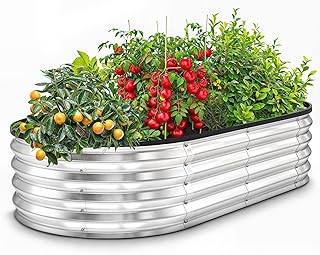
The material you choose dictates both the lifespan of your garden bed and the chemical exposure your soil might face. Natural woods like cedar and redwood are popular for their inherent resistance to rot and insects, offering a classic aesthetic that blends seamlessly into most landscapes, though they will eventually weather and gray over time. Galvanized and powder-coated metal beds have surged in popularity due to their exceptional durability, lightweight construction, and modern profiles that do not leach harmful toxins into the soil. Composite materials, made from a blend of recycled plastics and wood fibers, provide a sturdy, splinter-free alternative that mimics wood while resisting warping, cracking, and fading without requiring annual sealing.
Depth and Sizing: Getting the Dimensions Right
Plant health is directly tied to root space, making depth one of the most critical specifications to evaluate before purchasing. Shallow beds measuring under eight inches are generally only suitable for shallow-rooted greens like lettuce, spinach, and herbs, while standard root vegetables like carrots, beets, and potatoes require a minimum depth of twelve inches. If you are gardening over poor native soil, concrete patios, or heavy clay, deeper beds ranging from fifteen to thirty inches provide ample root zones and minimize the need for intense soil bending. Additionally, keep width in mind; any bed wider than four feet makes it difficult to reach the center comfortably from either side without stepping on and compacting the growing medium.
Soil Volume and Drainage Considerations
Raised beds rely entirely on imported soil blends, meaning you must calculate your volume requirements accurately to avoid running short during setup. A standard rectangular bed requires a balanced mixture of topsoil, compost, and aeration amendments like perlite or peat moss to retain moisture while allowing excess water to escape. Proper drainage is non-negotiable; beds placed directly on bare earth naturally drain into the subsoil, whereas beds installed on hard surfaces require dedicated drainage paths or porous landscape fabrics. Poorly draining beds lead to root rot, nutrient leaching, and stunted plant development, making adequate bottom permeability a top priority during assembly.
Structural Reinforcement and Assembly Hardware
The outward pressure of wet soil and plant roots exerts immense force on the walls of a raised bed, making structural reinforcement essential for preventing bowing or collapse. Look for designs that incorporate heavy-duty corner brackets, internal stake supports, or cross-braces, particularly for longer wooden or metal configurations exceeding six feet in length. The quality of the assembly hardware—such as stainless steel screws, bolts, and corner brackets—will determine whether your bed remains rigid through seasonal freeze-thaw cycles or shakes loose under pressure. Spending a few extra minutes evaluating how panels lock or screw together prevents catastrophic blowouts mid-season when your plants are heaviest.
Placement, Sunlight, and Layout Planning
No matter how well-engineered your garden bed is, it will fail to yield results if placed in the wrong microclimate within your yard. Most edible plants, including tomatoes, peppers, and fruiting vines, require at least six to eight hours of direct sunlight daily to thrive. Consider proximity to a reliable water source, as dragging a hose across a large yard every day quickly becomes exhausting during peak summer dry spells. Furthermore, organize your layout to allow for comfortable walking paths between beds, ensuring wheelbarrows, harvesting baskets, and companion planting tools can move freely without damaging your crops.
When to Invest in Premium Materials
Budget constraints are always a factor, but buying the cheapest option available often leads to replacing warped panels or rusted corners within just two or three seasons. You should consider spending more on premium materials if you live in an extreme climate with harsh winters, intense UV exposure, or high humidity that accelerates standard wood decay. Premium thicker-gauge metals, kiln-dried thick cedar boards, and high-grade UV-resistant composites cost more upfront but offer a significantly lower cost per year of service. Investing in superior construction also pays off if you suffer from mobility issues, as higher-end modular systems often allow for ergonomic custom heights and built-in seating ledges.
Related Guides
To explore specific top-performing models currently available, take a look at our comprehensive evaluations including the Best Raised Garden Beds in 2026: Compared and Ranked. For gardeners prioritizing natural wood aesthetics, our specialized breakdown of the Best Cedar Raised Garden Beds in 2026: Compared and Ranked highlights durable timber options. If you prefer modern, long-lasting industrial builds, explore our picks for the Best Metal Raised Garden Beds in 2026: Compared and Ranked to find the right fit for your yard.
FAQ
Do raised garden beds need a bottom layer of hardware cloth?
Hardware cloth is primarily recommended if you have heavy burrowing pest pressure, such as voles, moles, or gophers, in your local area. Installing a fine-mesh wire barrier across the bottom prevents pests from entering the soil from underneath while still allowing natural drainage and earthworm migration.
How much soil do I need to fill a raised bed?
To calculate soil volume, multiply the length, width, and depth of your bed in feet to get the total cubic feet required, then adjust slightly to account for settling. Most garden centers sell soil by the cubic foot or cubic yard, so bringing exact measurements ensures you purchase the correct amount without overbuying.
Can I place a raised garden bed directly on grass?
Yes, you can place a raised bed directly over grass, provided you lay down a thick layer of cardboard or biodegradable landscape fabric first to smother the turf. Over the course of a single season, the grass beneath will decompose and add organic matter to your new soil profile.
Do metal raised garden beds heat up enough to burn plant roots?
High-quality metal beds absorb heat, but the surrounding volume of moist soil acts as an effective thermal buffer that protects plant roots from dangerous heat spikes. Even during peak summer days, the soil moisture dissipates heat efficiently, though adding a layer of organic mulch can further insulate the edges.