
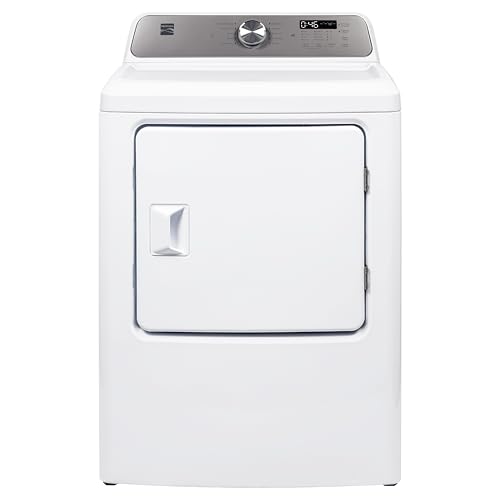
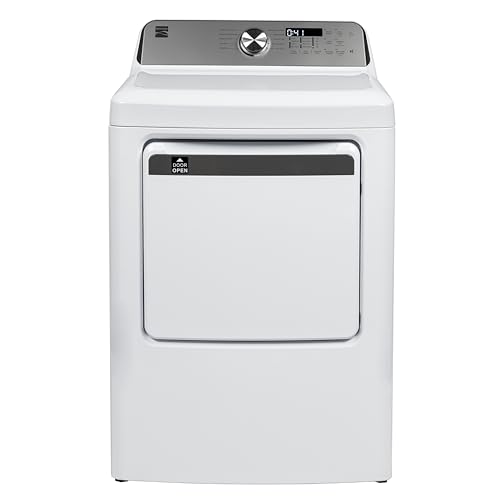
For most households, a large-capacity gas dryer with a moisture sensor from LG, Samsung, Whirlpool, Maytag or GE covers the needs, while renters and small apartments are usually better served by a ventless electric or heat pump unit, because a gas dryer needs a gas line and an outdoor vent. Gas models heat with a burner instead of an electric element, which is why many buyers with an existing gas hookup choose them for faster drying cycles and lower running costs in areas where natural gas is cheap. The choice mostly comes down to capacity, sensor quality, steam or sanitizing options, and whether your laundry space can handle the venting and gas connection.
Our top picks


As an Amazon Associate we earn from qualifying purchases at no extra cost to you.
Gas Dryers at a Glance
| Brand and line | Best for | Key features the makers list | Limits |
|---|---|---|---|
| LG gas dryers with sensor dry | Large families, smart-home users | Large drum around 7.4 cubic feet on bigger models, steam options, app connectivity on selected models | Higher-tier models add cost; steam needs a water connection on some versions |
| Samsung gas dryers | Buyers who want a matched pair with a washer | Large capacity drum, sensor drying, steam sanitize cycles on selected models | Feature tiers vary; some cycles need more clearance |
| Whirlpool gas dryers | Straightforward everyday laundry | Moisture sensing, wrinkle-prevent options, wide range of capacities | Basic models skip steam and smart features |
| Maytag gas dryers | Heavy loads and bulky bedding | Extra-power style cycles and large drums on top lines | Premium lines cost more than entry models |
| GE gas dryers | Buyers who want sensor drying without extras | Sensor dry, sanitize options on selected models, stackable options | Check capacity against your washer |
| Electrolux and Frigidaire gas dryers | Quiet operation seekers and budget-conscious buyers | Wide spread from basic to feature-rich models | Fewer high-end smart options at the low end |
What to Know Before You Buy a Gas Dryer
Confirm You Have the Right Hookup
A gas dryer needs three things that an electric dryer does not fully share: a gas supply line with a shut-off valve, a standard 120-volt outlet for the controls and drum motor, and an exhaust duct to the outdoors. Many laundry rooms in older homes only have a 240-volt outlet, which suits an electric dryer instead. If you are not sure what your home has, look for a capped gas pipe near the dryer spot or ask a licensed professional. The gas connection should be made or inspected by a qualified installer, and the makers state this in their manuals. Do not attempt to modify gas lines yourself.
Natural Gas Versus Propane
Most gas dryers ship set up for natural gas. Many makers sell or include a conversion kit for liquid propane, but the conversion should be carried out by a qualified technician following the manual. If your home runs on propane, confirm that the specific model you are considering supports conversion before you buy.
Venting Is Not Optional
Gas dryers produce combustion exhaust, so they must vent outdoors. They should never be vented into a garage, attic or crawl space. Ventless gas dryers are not a common product category, so apartment dwellers without an exterior wall should look at ventless electric or heat pump dryers instead. Rigid or semi-rigid metal ducting is generally preferred by manuals over thin foil or vinyl, and shorter, straighter duct runs dry faster and reduce lint buildup. The manual lists the maximum duct length and number of elbows for each model.
Capacity and Drum Size
Capacity is quoted in cubic feet. Large models from LG, Samsung and others are commonly listed around 7 to 7.5 cubic feet, while compact and standard units are smaller. A bigger drum gives clothes room to tumble, which can reduce drying time and wrinkling, but only if your washer is sized to match. A common rule of thumb from reviewers is that the dryer drum should be roughly twice the washer drum capacity, because wet laundry needs room to expand.
Sensor Dry Versus Timed Dry
Moisture sensors measure how damp the load is and end the cycle when it is dry. Reviewers generally prefer sensor drying because it avoids over-drying, which wears fabrics and wastes energy. Timed modes are still useful for items like sneakers on a rack or small damp loads. Look for models that list a moisture sensor rather than only a temperature sensor.
Feature Comparison by Budget Tier
| Tier | What you typically get | What you give up |
|---|---|---|
| Budget | Basic cycles, mechanical or simple electronic controls, moderate drum size, sometimes a timed-only option | Steam, smart features, quieter motors, sanitize options |
| Mid-range | Moisture sensor, large drum, several fabric cycles, reversible door on some models, sanitize or allergen options | Premium finishes, deeper app control, extra-large drum on some lines |
| Premium | Steam options, app control, extra-large drums, more sensors, quieter operation, matched pedestal systems | Higher purchase cost and more electronics that can need service |
Who Each Type Suits
Large Families
Choose a model with a drum listed around 7 cubic feet or more, a bulky-item cycle, and a sensor. LG and Samsung large-capacity lines are frequently included in outlet roundups for this use, and Maytag is often cited for heavy loads such as comforters. Make sure your washer matches the capacity, otherwise the larger dryer drum offers little advantage.
Small Homes and Stackable Setups
If floor space is tight, look at gas dryers that are stackable with a matching front-load washer using a manufacturer stacking kit. Reviewers note that stacked units need extra overhead clearance and a reachable controls panel. Compact gas dryers exist but are less common than compact electric and ventless versions, so choices are narrower.
Allergy-Conscious Households
Steam and sanitize cycles on selected LG, Samsung, GE and Electrolux models are marketed to reduce certain allergens or bacteria on fabrics. Treat such claims as the maker’s statements and follow garment care labels. These cycles do not replace medical advice, so anyone with severe allergies should ask their clinician about laundry practices.
Value Seekers
A plain Whirlpool, GE or Frigidaire gas dryer with a moisture sensor and a handful of cycles does the core job. Skipping steam and Wi-Fi saves money and removes parts that can fail. Reviewers often point out that for many buyers the real savings come from correct venting and a clean lint trap, not from paying for extra programs.
Pick X If… Decision Table
| Pick this | If you |
|---|---|
| LG or Samsung large-capacity gas dryer | Do big loads, want app notifications or steam, and have a matching washer |
| Maytag gas dryer | Wash bulky items often and want a robust-feeling machine |
| Whirlpool or GE gas dryer | Want sensor drying with fewer extras and a simpler interface |
| Frigidaire or entry-level model | Need the lowest outlay and already have a gas line and vent |
| Electrolux gas dryer | Want quieter operation and a design that suits a matched laundry pair |
| A ventless electric or heat pump dryer instead | Cannot vent outdoors or do not have a gas line |
Safety and Care Notes
Clean the lint screen after every load, and clear the exhaust duct and the cavity behind the lint screen on the schedule the manual gives. Restricted airflow is a common cause of long drying times and is a recognised fire hazard according to fire safety agencies. Keep the area around the dryer free of boxes, detergent and flammable products. Do not dry items stained with gasoline, cooking oil, solvents or similar flammable substances unless the care label and manual say it is safe, and wash them first as directed.
If you ever smell gas, do not operate switches or appliances. Leave the home and call the gas utility or emergency services from outside. Install a carbon monoxide alarm near sleeping areas if your home has fuel-burning appliances, and follow the alarm maker’s replacement schedule. Have a qualified technician service the dryer if you notice the burner not igniting, unusual odors or scorched smells.
Alternatives to Consider
- Electric dryer: Easier to install where there is a 240-volt outlet and no gas line. Running costs depend on local electricity and gas rates.
- Heat pump or condensing ventless dryer: Good for apartments with no exterior vent. Makers list lower energy use, but cycles often run longer.
- Washer-dryer combo: Handy for very small spaces but with smaller capacity and slower finishing, according to reviewers.
Frequently Asked Questions
Is a gas dryer cheaper to run than an electric one?
It depends on local utility rates. In regions where natural gas costs less than electricity per unit of heat, gas dryers tend to cost less per load. Comparing your local gas and electric rates against the energy guide figures from the maker gives the most accurate answer for your home.
Can I convert a gas dryer to propane?
Many makers offer a propane conversion kit for specific models, but the work should be done by a qualified technician following the manual. Not every model is convertible, so confirm this in the specifications before buying if you use propane.
Do gas dryers need a special outlet?
Gas dryers usually run on a standard 120-volt grounded outlet for the drum motor and controls, plus a gas line with a shut-off valve. Your manual lists the exact requirements, and a licensed electrician or installer can confirm your setup.
How often should I clean the dryer vent?
Clear the lint screen after every load and inspect the exhaust duct and vent hood at least once a year, or more often if drying times increase. Heavy use, long duct runs and pet hair all accumulate lint faster, so follow the schedule in the manual.
Are gas dryers safe?
Properly installed, vented and maintained gas dryers are widely used. Safety depends on correct installation by a qualified professional, an outdoor vent, a working carbon monoxide alarm in the home, and regular cleaning. Stop using the machine and call a professional if you smell gas or see abnormal flames.
What capacity should I choose?
A household of four or more usually benefits from a drum around 7 cubic feet or larger, while one or two people can often manage with a standard size. Match the dryer to your washer capacity and the space available, and measure doorways and the laundry room before ordering.
FAQ
Is a gas dryer cheaper to run than an electric one?
Can I convert a gas dryer to propane?
Do gas dryers need a special outlet?
How often should I clean the dryer vent?
Are gas dryers safe?
What capacity should I choose?
More from Amazon
Programs that pair well with the guide above. Offers and eligibility are set by Amazon and may change.
Free shipping on eligible items, Prime Video and more. Eligible new members can start with a free trial.
Start a Prime free trialAudiobooks and podcasts to listen to on the go. Eligible new members can start with a free trial.
Try Audible freeAd-free music streaming. Eligible new subscribers can start with a free trial.
Try Music Unlimited freeA free business account with business pricing and bulk-buying tools for work, shop or home office.
Create a business accountAs an Amazon Associate we earn from qualifying purchases.







