
Key takeaways
- Look at weeks, not nights: one bad score is normal. Patterns matter more.
- Anchor to routine: consistent bed and wake times often show clearer benefits than any gadget feature.
- Do not chase scores: some people become anxious about their data, sometimes called orthosomnia. If tracking makes sleep worse, stop for a while.
- Share with a clinician if asked: a doctor may find trend data useful alongside symptoms, though it will not replace a sleep study.
- Privacy: sleep and health data are sensitive. Read the privacy settings and the maker’s data policy before syncing to cloud services.
For most people, a wrist wearable such as an Apple Watch, a Fitbit or a Garmin is the easiest way to track sleep trends, while a smart ring like the Oura Ring suits those who find a watch uncomfortable in bed, and a bedside or under-mattress sensor such as the Withings Sleep Analyzer suits people who do not want to wear anything. None of these is a medical diagnostic tool, so persistent sleep problems belong with a doctor.
Our top picks


As an Amazon Associate we earn from qualifying purchases at no extra cost to you.
Sleep Trackers at a Glance
| Device type and example | Best for | Key stated traits | Limits |
|---|---|---|---|
| Smart ring (Oura Ring 4, Samsung Galaxy Ring) | Comfort in bed, long battery | Makers list sleep stages, heart rate, temperature trends and readiness scores | Oura requires a membership for full insights per the maker; sizing matters |
| Smartwatch (Apple Watch, Google Pixel Watch, Garmin) | All-in-one daily wearable | Makers list sleep stages, a sleep score and wellness features in current models | Bulky for some sleepers; daily charging for some models |
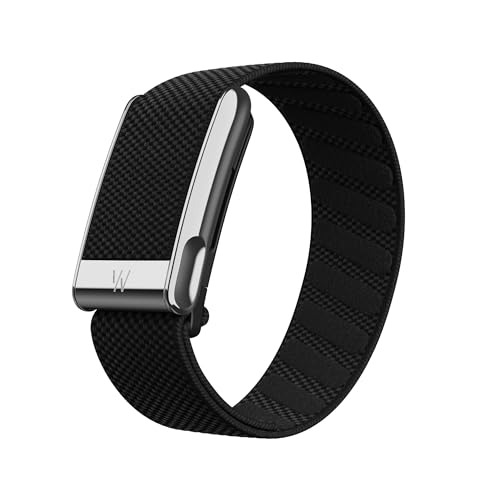
| Fitness band (Fitbit Charge series, Whoop) | Slim wrist wearing, trend focus | Makers list sleep tracking, heart rate variability and recovery metrics | Whoop is subscription based per the maker; fewer smart features |
| Under-mattress sensor (Withings Sleep Analyzer) | No-wear tracking, couples at night | Maker lists a sensor pad placed under the mattress tracking sleep and snoring | Needs a compatible mattress and bed; tracks the sleeper on its side |
| Armband or specialty (Garmin Index Sleep Monitor) | Upper-arm comfort, battery life | Maker lists an upper-arm band focused on sleep and pairing with Garmin Connect | Single-purpose device |
How Consumer Sleep Trackers Work
Most wearables estimate sleep from a mix of motion, heart rate and heart rate variability, and sometimes skin temperature or blood oxygen. Software then classifies the night into light, deep and REM stages. Sleep scientists and reviewers note that these stage estimates are less accurate than a lab sleep study, called polysomnography, which measures brain activity directly. Treat the data as a trend over weeks, not as a verdict about a single night.
Under-mattress sensors rely on movement and breathing detected through the bed. They avoid the discomfort of wearing a device but only capture what the mattress transmits, so a thick topper or an adjustable base can change results.
What to Consider
Comfort and form factor
A device you take off at night tracks nothing. A ring or a slim band is easier for side sleepers, while a large watch can annoy light sleepers. Check ring sizing guidance from the maker, because the correct size matters for sensor contact and comfort.
Battery life
Rings usually last several days between charges according to the makers, while smartwatches often need daily or every-other-day charging. Plan a charging window, such as during a morning shower, so the device is ready at night.
Subscriptions
Some trackers hide detailed insights behind a monthly or annual membership. Oura and Whoop describe membership models, and Fitbit and Garmin offer premium tiers. Read what the base device provides without payment, so you know the true cost before buying.
Phone compatibility
Apple Watch needs an iPhone, Pixel Watch and many Fitbit models pair with Android and iPhone to varying degrees, and Garmin works with both. Confirm compatibility with your phone’s operating system on the maker’s page.
Health features and cautions
Some makers list features such as sleep apnea notifications or breathing disturbance detection, and in some regions certain features have regulatory clearance. These are screening or notification tools, not a diagnosis. If you snore heavily, stop breathing at night, wake gasping, or feel exhausted despite long sleep, talk to your doctor rather than relying on an app.
Accuracy: What Reviewers Report
Independent reviewers and academic studies generally find that consumer trackers do a reasonable job estimating total sleep time and wake time compared with lab measurements, and a weaker job separating deep and REM stages. Scores such as “readiness” or “recovery” are proprietary composites, so they differ across brands and can not be compared directly. Use one device consistently so the trend is meaningful, and treat low scores as a prompt to review habits rather than as proof of a problem.
Using the Data Wisely
- Look at weeks, not nights: one bad score is normal. Patterns matter more.
- Anchor to routine: consistent bed and wake times often show clearer benefits than any gadget feature.
- Do not chase scores: some people become anxious about their data, sometimes called orthosomnia. If tracking makes sleep worse, stop for a while.
- Share with a clinician if asked: a doctor may find trend data useful alongside symptoms, though it will not replace a sleep study.
- Privacy: sleep and health data are sensitive. Read the privacy settings and the maker’s data policy before syncing to cloud services.
Budget Tiers
Budget: basic fitness bands and older-generation watches that include sleep tracking at modest cost. Mid-range: current Fitbit, Garmin and Galaxy Watch models with solid sleep dashboards. Premium: Oura Ring 4, recent Apple Watch models, Whoop and the Withings under-mattress sensor, often paired with a recurring membership. Add subscription cost to the sticker price when comparing.
Pick X If You Want…
| If you want… | Pick | Why |
|---|---|---|
| A single device for sleep, fitness and notifications | Apple Watch (iPhone users) or Pixel Watch | Sleep tracking plus a full smartwatch feature set |
| Comfort and multi-day battery | Oura Ring 4 or Galaxy Ring | Small form factor, designed for continuous wear |
| Low-cost entry | Fitbit Charge or Garmin Vivosmart-class band | Slim band with sleep stages and a companion app |
| Nothing on your body | Withings Sleep Analyzer | Sensor under the mattress |
| Recovery coaching | Whoop | Focus on strain, recovery and sleep, with a membership |
Alternatives
- Phone apps: apps like Sleep Cycle use microphone and motion. They cost less but are less reliable than a dedicated sensor.
- Sleep diary: a notebook recording bedtime, wake time and how you feel is free and often just as informative.
- Smart beds and mattress covers: products like Eight Sleep integrate tracking with temperature control at a premium tier.
- Clinical testing: a doctor can arrange home or lab sleep studies when symptoms suggest a disorder.
Buying Checklist Before You Order
Begin with how you sleep. Side sleepers who tuck an arm under a pillow often prefer a ring or an under-mattress sensor over a bulky watch. Hot sleepers may dislike a snug band that traps sweat. Check the phone you use, because a device that works best with one operating system may be limited on another. Read what the base device gives you without a membership, and what the app shows for free. Look at battery life against your routine: if you dislike charging every night, a ring or band with multi-day battery makes sense. Review the maker’s stated water resistance if you plan to wear the device in the shower, and use the ring sizing kit before you buy, since a poor fit reduces comfort and reading quality. Finally, consider whether you want a smart alarm that wakes you in a lighter sleep phase, a feature offered by several makers and described by reviewers as helpful for some people and unnoticeable for others.
Whatever you choose, give it a few weeks before judging it. The first nights are partly about getting used to wearing the device, and the software needs time to learn your usual patterns. If a tracker leaves you more worried than informed, it is not doing its job for you, and a plain sleep diary may suit you better.
Frequently Asked Questions
Are sleep trackers accurate?
They are fairly good at estimating when you were asleep and awake, and less reliable at identifying individual sleep stages. Research comparing wearables with lab sleep studies shows that accuracy varies by device and person. Use the numbers as a trend, not as a medical measurement.
Can a sleep tracker diagnose sleep apnea?
No. Some devices offer notifications about possible breathing disturbances, and some have regulatory clearance for that screening in certain regions. Only a clinician can diagnose a sleep disorder, usually after testing. See a doctor if you suspect apnea.
Is a ring better than a watch for sleep?
It depends on comfort and priorities. Rings tend to be lighter and have longer battery life per the makers, while watches give more features during the day. If a watch bothers you at night, a ring or band is worth trying.
Do I need a subscription?
Some devices, including Oura and Whoop, rely on a membership for much of their analysis, per the makers. Others provide basic tracking free and offer premium tiers. Read what is included before purchase to understand the total cost.
How long before the data becomes useful?
Many makers suggest wearing the device for a couple of weeks so the software can establish your baseline. After that, trends such as consistent late bedtimes or restless nights become clearer. A single night rarely tells you much.
Can tracking make sleep worse?
For some people, yes, because worrying about scores can raise stress at bedtime. If you notice this, turn off notifications, check the data only weekly or take a break from tracking. Talk to a professional if sleep problems persist.
FAQ
Are sleep trackers accurate?
Can a sleep tracker diagnose sleep apnea?
Is a ring better than a watch for sleep?
Do I need a subscription?
How long before the data becomes useful?
Can tracking make sleep worse?
More from Amazon
Programs that pair well with the guide above. Offers and eligibility are set by Amazon and may change.
Free shipping on eligible items, Prime Video and more. Eligible new members can start with a free trial.
Start a Prime free trialAudiobooks and podcasts to listen to on the go. Eligible new members can start with a free trial.
Try Audible freeAd-free music streaming. Eligible new subscribers can start with a free trial.
Try Music Unlimited freeA free business account with business pricing and bulk-buying tools for work, shop or home office.
Create a business accountAs an Amazon Associate we earn from qualifying purchases.







