
Key takeaways
- Open the gloves and air them out after every session; do not leave them sealed in a gym bag.
- Wipe the interior with a damp cloth and let them dry away from direct heat, which can crack leather and warp foam.
- Use moisture-absorbing inserts or antimicrobial sprays only as the maker suggests.
- Wash your hands and hand wraps regularly; shared gloves should be wiped down between users.
- Replace gloves when padding feels flat, seams split, or the closure no longer holds. Worn padding is a safety issue, not just a comfort issue.
Hayabusa T3-style training-and-sparring gloves suit most people who want one pair for bag work and light pad drills, Fairtex’s FGV12 Ultimate Combat Gloves suit people who want a classic open-palm fighter’s fit, and Venum’s Challenger line suits beginners who want a budget-to-mid-range pair for classes. The right choice depends on what you do in the gym: heavy bag rounds, pad work, grappling-heavy classes, or supervised sparring. This guide explains how MMA gloves differ, which product families fit which buyer, and how to size and care for them.
Our top picks


As an Amazon Associate we earn from qualifying purchases at no extra cost to you.
At a Glance
| Glove family | Best for | Stated design points | Limits |
|---|---|---|---|
| Hayabusa T3 MMA | Bag work, pad work, light drilling | The maker lists multi-layer foam and a wrap-around wrist closure on its MMA gloves | Mid-range to premium tier; thin padding is not meant for hard sparring |
| Fairtex FGV12 Ultimate Combat | Traditional fit, striking-heavy MMA classes | Leather construction made in Thailand, per the maker; open-palm design | Fit can feel snug for wide hands; sizing runs by weight-style letters |
| Venum Challenger / Contender MMA | First pair, group classes | The maker lists synthetic leather and foam padding in its entry lines | Budget to mid-range tier; padding wears faster under daily use |
| Title and Ringside MMA trainers | Gym-owned shared gear, kids’ classes | Makers list synthetic shells and simple hook-and-loop closures | Basic feel; limited fit adjustment |
| RDX and Everlast MMA gloves | Casual fitness and cardio classes | Makers list lightweight padding and a wide size range | Not designed as a durable fight-camp glove |
What MMA Gloves Actually Do
MMA gloves are open-fingered, lightly padded gloves designed so you can grip, clinch, and strike. Unlike boxing gloves, they leave the fingers free, so the padding sits mostly over the knuckles and back of the hand. That means they protect your hand from impact less than a bag glove or boxing glove does, and they also protect your training partner less. Many gyms require a larger, heavily padded glove for sparring and use true MMA gloves only for drills, grappling with strikes, and competition under the rules of the event.
Rules matter. Sanctioning bodies and event organizers set their own requirements for competition glove weight and construction, and these differ between amateur and professional bouts and between regions. If you plan to compete, ask the organizer or your coach which gloves are accepted before you buy. Gym policies also vary, so confirm what your coach expects for sparring.
Features That Separate Good Gloves From Weak Ones
Padding and Knuckle Protection
Most makers describe foam in layers, sometimes with a denser layer over the knuckles. Reviewers generally note that thin padding feels responsive but leaves the hand more exposed during heavy bag rounds. If you hit a heavy bag often, look for a glove with more padding over the knuckles and a snug fit, because loose gloves let the hand shift on impact. Padding compresses over months of use, so a pair used several times a week will feel less protective as it ages.
Wrist Closure
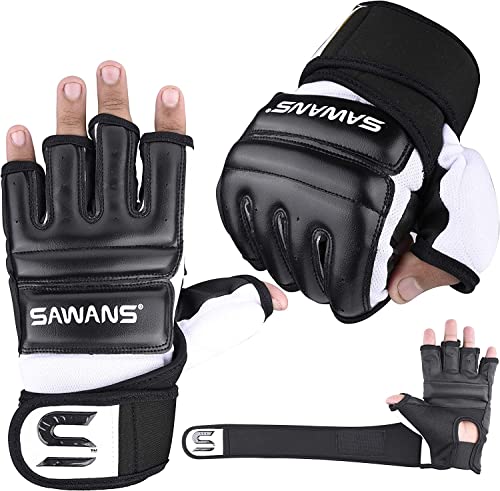
A wide hook-and-loop strap that wraps around the wrist gives support and keeps the glove from shifting. Some designs add a longer cuff for additional wrist coverage. Narrow straps are lighter and allow more movement, but they offer less stability. Wrist support in a glove does not replace hand wraps, and a coach can show you how to wrap properly.
Thumb Design
Some gloves attach the thumb to the body of the glove to reduce the chance of thumb injuries from pokes, while others leave the thumb free for grip. Free thumbs feel more natural when grappling, while attached thumbs feel more stable when striking. Check how the maker describes the thumb before buying, because the difference affects both training comfort and safety.
Material
Genuine leather usually molds to the hand over time and tends to be more durable, but it needs drying and occasional conditioning. Synthetic leather costs less, resists sweat staining, and needs less care, though reviewers often report that it cracks sooner under heavy daily use. Neither material is better in every situation; choose based on how often you train and how much maintenance you will do.
Picks by Buyer
Best All-Round Training Pair: Hayabusa T3 MMA
Hayabusa’s T3 range is widely covered by combat-sports outlets as a gym favorite for people who bag-train, pad-train, and drill. The maker markets the gloves with a wrap-around wrist design and layered foam. It sits in the mid-range to premium tier, which makes it a reasonable buy if you train several times a week. It is less suited to hard sparring than a dedicated sparring glove.
Best Traditional Feel: Fairtex FGV12 Ultimate Combat
Fairtex is a long-established Thai brand, and the FGV12 is its best-known MMA glove. The maker describes a leather build and an open-palm cut that leaves the hand free for grappling transitions. Reviewers note a snug fit and a break-in period. Pick this if you want a durable glove that molds to your hand and you do not mind spending in the premium tier.
Best for Beginners: Venum Challenger and Contender
Venum’s entry and mid-level lines target people who are starting classes. The maker lists foam padding and an easy-to-adjust closure. They are comfortable for group classes and cardio-style sessions, but heavy daily training will wear the padding quickly. They suit people who want to try the sport before committing to a more expensive pair.
Best Shared or Kids’ Gear: Title and Ringside Trainers
Title Boxing and Ringside are common suppliers to gyms. Their MMA trainers use simple synthetic shells and basic closures. They work for shared gym stock and youth classes, where durability and cost matter more than fit refinement. Children’s gloves should always be sized to the child and approved by the coach.
Best for Casual Fitness: RDX and Everlast
If you only attend occasional fitness classes with bag work, makers such as RDX and Everlast offer lightweight gloves with wide size ranges at the budget tier. They are not made for fight preparation, and reviewers often say they are best treated as light-duty gear.
Pick X If… Decision Table
| Pick this | If you |
|---|---|
| Hayabusa T3 MMA | train several times a week, mix bag work and pads, and want a supportive wrist |
| Fairtex FGV12 | prefer leather, want a traditional open-palm feel, and accept a break-in period |
| Venum Challenger or Contender | are new to the sport and want an affordable first pair |
| Title or Ringside trainers | need shared gym gloves or youth sizes |
| RDX or Everlast | attend occasional fitness classes and want low cost |
| A separate 12-16 ounce boxing glove | spar regularly; MMA gloves are rarely the right choice for hard sparring |
Sizing and Fit
MMA gloves are sold in small, medium, large, and extra-large, and some brands use hand circumference or palm width to define each size. Because sizing charts differ between makers, measure your hand using the chart on the maker’s product page rather than assuming your usual size. A good fit holds the hand firmly without pinching the fingers, and you should be able to make a full fist without the padding bunching. Wear your usual hand wraps when trying gloves on, because wraps add bulk.
If you are between sizes, a snug size is generally preferred for striking because it reduces slippage, while a slightly larger size can feel better for long grappling sessions. Leather gloves relax with use, so a tight leather pair may fit better after a few weeks.
Care and Hygiene
- Open the gloves and air them out after every session; do not leave them sealed in a gym bag.
- Wipe the interior with a damp cloth and let them dry away from direct heat, which can crack leather and warp foam.
- Use moisture-absorbing inserts or antimicrobial sprays only as the maker suggests.
- Wash your hands and hand wraps regularly; shared gloves should be wiped down between users.
- Replace gloves when padding feels flat, seams split, or the closure no longer holds. Worn padding is a safety issue, not just a comfort issue.
If you notice persistent hand or wrist pain, numbness, or swelling after training, stop and see a doctor or physiotherapist rather than relying on different gloves.
Safety Notes
MMA gloves reduce but do not remove the risk of hand injuries. Learn to wrap your hands properly, throw punches with correct form, and follow your coach’s guidance on which gloves to use for each drill. Do not use thin MMA gloves for hard sparring unless your gym allows it, and always use a mouthguard and other protective gear required by your gym.
Alternatives to Consider
- Boxing bag gloves: better hand protection for heavy bag work if you rarely grapple.
- Hybrid sparring gloves: several makers sell larger, more padded gloves with a more open design for controlled sparring.
- Grappling gloves: thinner gloves meant for submission-focused training with little or no striking.
Frequently Asked Questions
Can I use MMA gloves for boxing?
You can hit pads and light bags with MMA gloves, but they have less padding than boxing gloves. For heavy bag work or sparring, boxing gloves protect your hands better. Many gyms prohibit MMA gloves for boxing-style sparring for this reason.
What is the difference between training and fight gloves?
Training gloves typically have more padding and are built for repeated use, while fight gloves are lighter and may be regulated by the event organizer. Rules differ by region and organization, so ask the organizer before you buy competition gloves.
Do I need hand wraps under MMA gloves?
Most coaches advise wrapping your hands even when using padded gloves because wraps support the small bones of the hand and wrist. Ask your coach to show you a wrapping method that fits your glove.
How long do MMA gloves last?
It depends on how often you train and how well you care for them. Casual users may get a year or more, while people who train daily may notice flattened padding sooner. Replace them once the padding feels compressed or seams start to fail.
Are leather gloves better than synthetic?
Leather tends to last longer and mold to your hand, but it needs more care. Synthetic gloves cost less and are easier to maintain, although they often wear out faster under heavy use. Choose based on training volume and maintenance habits.
What size should I buy?
Use the maker’s sizing chart, which usually relies on hand circumference or palm width. A snug fit with full fist closure is generally preferred, and leather may loosen slightly with use.
FAQ
Can I use MMA gloves for boxing?
What is the difference between training and fight gloves?
Do I need hand wraps under MMA gloves?
How long do MMA gloves last?
Are leather gloves better than synthetic?
What size should I buy?
More from Amazon
Programs that pair well with the guide above. Offers and eligibility are set by Amazon and may change.
Free shipping on eligible items, Prime Video and more. Eligible new members can start with a free trial.
Start a Prime free trialAudiobooks and podcasts to listen to on the go. Eligible new members can start with a free trial.
Try Audible freeAd-free music streaming. Eligible new subscribers can start with a free trial.
Try Music Unlimited freeA free business account with business pricing and bulk-buying tools for work, shop or home office.
Create a business accountAs an Amazon Associate we earn from qualifying purchases.







