
Key takeaways
- Hire a licensed plumber or electrician: Sewage pits involve hazardous gases, electrical connections and local code requirements. Do not enter a sewage pit; sewer gas can be dangerous. Follow the maker’s manual and local regulations.
- Electrical protection: Pumps should be on a dedicated, properly grounded circuit with ground-fault protection where required by code. Do not alter the plug or cord.
- High-water alarm: An alarm warns if the pump fails or the pit fills. Many installers pair a pump with one.
- Battery backup: If power outages are common, a backup system can keep a basement bathroom usable. Do not rely on it as a substitute for pump maintenance.
- Maintenance: Test the float by filling the basin with water as the maker instructs, inspect the check valve, and keep non-flushable wipes out of the system. Many makers suggest periodic inspection.
- Lifespan: Reviewers and installers often cite roughly a decade or more for quality pumps under normal use, but this varies by cycle count and maintenance.
The best sewage pump for most homes is a fractional-horsepower submersible sewage ejector from an established maker such as Zoeller, Liberty Pumps, Wayne, Goulds or Superior Pump, sized to the lift height and flow the job needs and rated to pass the solids your fixtures send down. Because a failed pump means a flooded basement bathroom, pump type, solids handling and switch design matter more than horsepower alone, and installation should follow local plumbing code and the maker’s manual.
Our top picks

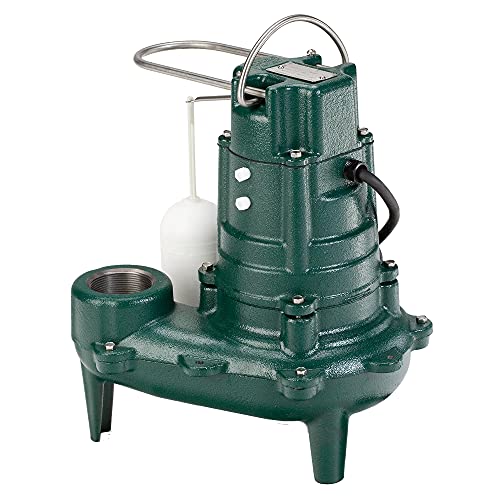

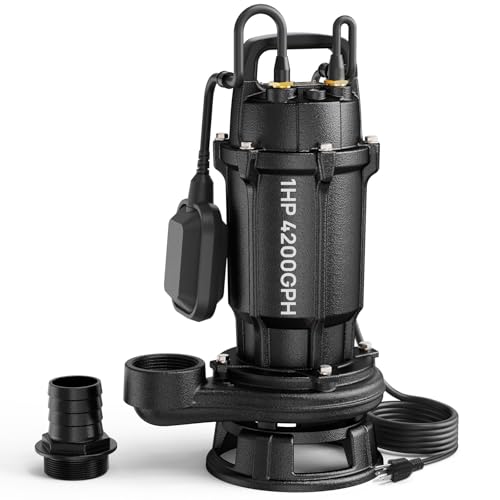
As an Amazon Associate we earn from qualifying purchases at no extra cost to you.
Sewage Pump Types at a Glance
| Type or model line | Best for | Key traits as described by makers | Limits |
|---|---|---|---|
| Zoeller Flow-Mate / Waste-Mate sewage pumps | Basement bathrooms and ejector pits | Cast iron construction, sewage solids handling, wide availability | Vertical float needs adequate pit width |
| Liberty Pumps ProVore and LE series | Residential sewage ejector and grinder-type setups | Heavy-duty residential line, solids handling per model, accessory options | Choose the correct model for sewage versus effluent |
| Wayne sewage pumps | Budget to mid-range replacement | Common big-box line, cast iron body in some models | Fewer high-end features |
| Goulds Pumps submersible sewage | Long-term residential use | Well-known Xylem brand, bronze or cast iron options | Mid-range to premium |
| Superior Pump sewage pumps | Value-oriented replacements | Cast iron or thermoplastic builds by model | Warranty and service vary by seller |
| Grinder pump systems (Liberty, Zoeller, others) | Long or uphill discharge lines, small-diameter pipe | Cutters grind solids so smaller pipe can be used | More costly, more complex |
Specifications such as horsepower, solids handling and maximum head differ across production runs; the table reflects how makers describe each line rather than a single model’s numbers, so always confirm values on the datasheet for the exact model.
What Sewage Pumps Do
A sewage ejector pump sits in a sealed basin, usually below the lowest level of the house, and lifts wastewater from basement toilets, showers and sinks up to the main drain line. A sump pump, by contrast, handles groundwater and is not meant to move toilet waste. Using one in place of the other is a common mistake and can lead to clogs and failure.
How to Choose a Sewage Pump
Solids handling
Residential sewage pumps are typically listed to pass 2-inch solids; check the maker’s specification for the model you want, and consider how often you will flush non-flushable items. A pump that cannot pass the required solids size will clog and burn out. Grinder pumps cut waste into slurry and are the choice when discharge pipe is small or the lift is long.
Horsepower, head and flow
Makers publish pump curves that show gallons per minute at a given vertical lift (head). Many residential sewage ejectors use a fractional-horsepower motor, often listed around one-third to one-half horsepower, which is enough for typical basement bathrooms with moderate lift. Greater lift or longer horizontal runs mean you need a stronger motor. Compare the curve at your actual head, not the headline maximum.
Switch type
Piggyback tethered float switches allow the switch to be tested or replaced separately from the pump. Vertical float switches fit narrow basins. Electronic or pressure sensors have no moving float and resist tangling. Reviewers and plumbers often name float hang-up as a leading cause of failure, so the pit’s size and the float’s travel should match.
Materials and sealing
Cast iron bodies handle heat and abrasion well and help the motor shed heat. Thermoplastic bodies are lighter and corrosion-resistant. Look for sealed motor housings, an oil-filled or otherwise cooled motor, and a thermal overload protector as described by the maker.
Basin and plumbing
The pump must sit in a gas-tight basin with a vent and a check valve on the discharge. Local code governs basin size, venting and discharge pipe size. A proper check valve prevents wastewater from flowing back into the pit after each cycle.
Our Picks by Situation
Best for a typical basement bathroom: Zoeller or Liberty Pumps sewage ejector
Both brands are widely used by plumbers and are commonly named in installer guides. Zoeller sewage pumps are known for their cast iron housings, while Liberty Pumps offers a broad range of residential ejectors with accessory kits. Choose the model whose curve meets your head and whose solids rating matches the application.
Best for replacement on a budget: Wayne or Superior Pump
These brands are stocked widely and provide reasonable value for a straightforward swap. Check the warranty period and whether the model is listed for sewage rather than effluent only.
Best for demanding use: Goulds
Goulds submersible sewage pumps are marketed for heavier duty and often favored by contractors who want a long service life. They sit in the mid-range to premium tier.
Best for small-diameter or long discharge lines: grinder pump
Grinder pumps reduce solids to a slurry, enabling small-diameter discharge pipe and longer runs. They require careful selection and are usually installed by professionals.
Pick X If …
| Pick this | If you … |
|---|---|
| Zoeller sewage pump | want a widely available cast iron option for a basement bathroom |
| Liberty Pumps ejector | want a residential line with accessory and alarm options |
| Wayne or Superior Pump | need a budget-friendly replacement |
| Goulds submersible | want a heavier-duty, contractor-favored brand |
| Grinder pump | have long, uphill or small-diameter discharge |
| Sump pump instead | only need to move groundwater, not toilet waste |
Budget Tiers
Budget tier: Thermoplastic or basic cast iron pumps from value-oriented lines. They are acceptable for light, occasional use but may run hotter and wear faster.
Mid-range tier: Cast iron sewage ejectors from Zoeller, Liberty and Wayne with piggyback or vertical switches. They suit most households.
Premium tier: Goulds, higher-end Liberty and grinder systems with sealed controls and alarms. These make sense when failure would cause serious damage or when the plumbing layout is complex.
Installation, Safety and Care
- Hire a licensed plumber or electrician: Sewage pits involve hazardous gases, electrical connections and local code requirements. Do not enter a sewage pit; sewer gas can be dangerous. Follow the maker’s manual and local regulations.
- Electrical protection: Pumps should be on a dedicated, properly grounded circuit with ground-fault protection where required by code. Do not alter the plug or cord.
- High-water alarm: An alarm warns if the pump fails or the pit fills. Many installers pair a pump with one.
- Battery backup: If power outages are common, a backup system can keep a basement bathroom usable. Do not rely on it as a substitute for pump maintenance.
- Maintenance: Test the float by filling the basin with water as the maker instructs, inspect the check valve, and keep non-flushable wipes out of the system. Many makers suggest periodic inspection.
- Lifespan: Reviewers and installers often cite roughly a decade or more for quality pumps under normal use, but this varies by cycle count and maintenance.
Alternatives to Consider
- Macerating toilet system (Saniflo and similar): A compact unit behind or beside a toilet for adding a bathroom without a full ejector pit.
- Above-floor sewage ejector: A self-contained tank-and-pump system placed on the floor, used when digging a pit is impractical.
- Effluent pump: Designed for gray water or septic tank effluent, not raw sewage.
- Professional replacement kit: Many plumbers sell pre-assembled kits with basin, lid, pump and check valve.
Common Mistakes to Avoid
- Using an effluent or sump pump for sewage: These are not designed for solids and can clog or burn out.
- Choosing by horsepower only: Compare flow at your actual lift on the pump curve, not just the motor rating.
- Skipping the check valve: Without it, wastewater flows back into the pit after each cycle and the pump short-cycles.
- Ignoring venting: The basin must be vented to code to prevent gas buildup and allow proper operation.
Frequently Asked Questions
What is the difference between a sewage pump and a sump pump?
A sump pump removes groundwater or stormwater from a pit and is not designed for toilet waste. A sewage pump handles wastewater with solids and sits in a sealed, vented basin. Using a sump pump for sewage can cause clogs and early failure.
How much horsepower do I need?
Many basement bathrooms work with a fractional-horsepower motor, often one-third or one-half horsepower, but the right size depends on your vertical lift and pipe run. Read the maker’s pump curve at your head rather than relying on horsepower alone. A plumber can size it correctly.
Can I install a sewage pump myself?
Some people with plumbing and electrical skills do, but sewage basins involve hazardous gases, code requirements and permits. A licensed plumber is the safer choice, and an electrician should handle the wiring if you are not qualified.
How often should I test the pump?
Many installers and makers suggest testing the pump and float once or twice a year and after any extended period without use. Follow the instructions in your pump’s manual for the correct test method.
Why does my sewage pump keep running or clogging?
Common causes include a stuck float, a failed check valve, non-flushable items such as wipes, or a pump that is undersized for the head. Turn off power and call a plumber instead of reaching into the pit.
Do I need a grinder pump?
A grinder pump is useful when the discharge line is small, long or uphill, because it cuts solids into slurry. For a typical basement bathroom with standard pipe, a regular sewage ejector often does the job, but a plumber can advise based on code and layout.
FAQ
What is the difference between a sewage pump and a sump pump?
How much horsepower do I need?
Can I install a sewage pump myself?
How often should I test the pump?
Why does my sewage pump keep running or clogging?
Do I need a grinder pump?
More from Amazon
Programs that pair well with the guide above. Offers and eligibility are set by Amazon and may change.
Free shipping on eligible items, Prime Video and more. Eligible new members can start with a free trial.
Start a Prime free trialAudiobooks and podcasts to listen to on the go. Eligible new members can start with a free trial.
Try Audible freeAd-free music streaming. Eligible new subscribers can start with a free trial.
Try Music Unlimited freeA free business account with business pricing and bulk-buying tools for work, shop or home office.
Create a business accountAs an Amazon Associate we earn from qualifying purchases.







