
Key takeaways
- Budget: B8 bronze singles or boxed sets. Durable, bright, simple.
- Mid-range: Cast or machine-hammered B20 lines such as Meinl Classics Custom, Zildjian A Custom and Sabian AAX.
- Premium: Hand-hammered lines such as Byzance, HHX Evolution and K Custom, where individual pieces vary and trying them in person pays off.
For most drummers, an 18-inch medium-thin crash from a mid-range line such as Zildjian A Custom, Sabian AAX or Meinl Classics Custom is the safest first upgrade, while beginners on a tight budget are better served by a B8-bronze line or a boxed starter set, and players chasing a dark, trashy sound should look at hand-finished lines such as Zildjian K Custom Dark or Meinl Byzance. The right crash depends on your music, your room and how hard you hit, so this guide sorts current lines by sound character, size and budget tier.
Our top picks

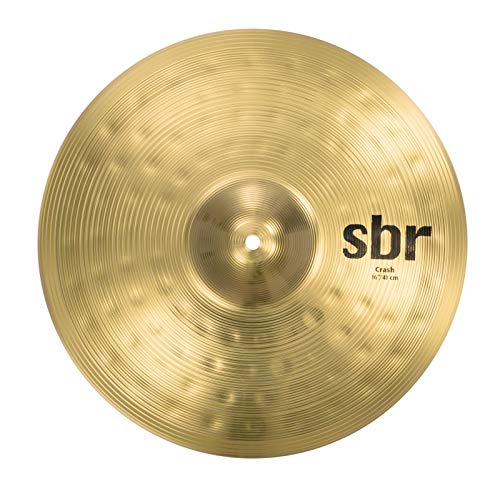


As an Amazon Associate we earn from qualifying purchases at no extra cost to you.
Crash Cymbals at a Glance
| Line | Best for | Character (as makers and reviewers describe it) | Limits |
|---|---|---|---|
| Zildjian A Custom | Rock, pop, studio | Bright, brilliant finish, quick response | Can sound sharp in small rooms |
| Zildjian K Custom Dark | Jazz, indie, blues | Dark, complex, lower-pitched wash | Less cut in loud bands |
| Sabian AAX | Loud rock, live stages | Bright, cutting, modern | Brightness may tire in small rooms |
| Sabian HHX Evolution | Versatile, heavier hitters | Hand-hammered, dark yet controlled | Premium tier |
| Paiste 2002 | Hard rock, metal | Classic bright, penetrating crash | Loud; needs hearing care |
| Meinl Byzance | Expressive, dark sounds | Hand-hammered, Turkish-style voice | Mid-to-premium tier |
| Meinl Classics Custom | Value pick, all styles | Bright to balanced | Less complex than hand-finished lines |
| Zildjian S Family / Sabian B8X | Beginners, budget | Straightforward and durable | Simpler overtones |
Understand the Alloys First
Cymbals are made from a few families of bronze. B20 bronze (roughly 80 percent copper and 20 percent tin) is used in most professional lines and is generally described as warmer and more complex. B8 bronze (about 92 percent copper and 8 percent tin) is cheaper and is usually described by reviewers as brighter and more direct. Some makers use proprietary alloys in specific families, so the alloy named on a product page is the most reliable guide to a line’s tier. Finish also matters: brilliant finishes look mirror-like and tend to sound brighter, while traditional or raw finishes tend to sound darker and drier.
Size and Weight
Crash cymbals commonly come in 14 to 20 inches. Smaller sizes (14 to 16 inches) speak quickly and fade fast, which suits accents and tight grooves. A 17 or 18 inch crash gives a fuller wash that suits most rock and pop kits. A 19 or 20 inch crash can double as a crash-ride but takes more effort to open up. Weight categories (thin, medium-thin, medium) change the feel: thinner cymbals react faster and sound darker or splashier, while heavier ones are louder, more focused and harder to break under heavy play.
Hammering also shapes the voice. Machine-hammered cymbals are consistent from piece to piece, which is why they dominate mid-range lines. Hand-hammered and hand-lathed cymbals differ slightly from one to another, and many players buy them in person so they can pick one that suits their ear.
Top Picks by Player Type
Zildjian A Custom
The A Custom line is Zildjian’s bright, modern take on its classic A family, with a brilliant finish and a thinner profile. The maker presents it as a studio and stage staple. Reviewers often cite its fast attack and shimmering decay. It suits rock, pop and general-purpose gigging. Buyers who prefer dark tones may find it too glassy.
Zildjian K Custom Dark
This line is for drummers who want a lower, more complex crash. Zildjian describes the K Custom Dark as dark and complex, with hand-lathed detail. It sounds at home in jazz, blues, indie and lower-volume rooms. In louder bands the darker voice may get buried.
Sabian AAX
AAX is Sabian’s bright, cutting line, popular with rock and pop drummers who need projection. The maker describes it as modern and powerful, and several outlets rate AAX crashes as strong options for loud live situations. The cost is brightness, which can become fatiguing in a small practice space.
Sabian HHX Evolution
HHX Evolution is Sabian’s hand-finished line, aimed at players who want dark tones with controlled sustain. It sits in the premium tier, so it makes sense for working drummers or serious hobbyists rather than first-time buyers.
Paiste 2002
Paiste’s 2002 line has a long history in rock and metal. Reviewers describe the crash as bright, loud and penetrating. It is a strong option when you play alongside amplified guitars. Players in small rooms should pair it with hearing protection.
Meinl Byzance
Byzance is Meinl’s hand-hammered, Turkish-influenced line. Makers and reviewers describe it as warm and expressive, with several finishes such as Traditional, Brilliant and Dark. It is a good choice when you want variety and a personal voice, and it costs more than Meinl’s cast lines.
Meinl Classics Custom
Classics Custom offers a bright to balanced sound at a mid-range tier. Reviewers frequently place it among the better value lines for drummers who want a professional-sounding crash without the premium tier. It is a sensible second crash or an upgrade from a starter set.
Budget Starters: Zildjian S Family and Sabian B8X
These lines are built to survive young or inexperienced hands. They are usually bright and simple, with less nuance than B20 cymbals. They suit practice rooms, school kits and learners who are still deciding what sound they like.
Pick X If…
| If you… | Choose |
|---|---|
| Play loud rock or metal | Sabian AAX or Paiste 2002 |
| Play jazz, blues or quiet gigs | Zildjian K Custom Dark or Meinl Byzance |
| Need an all-round studio crash | Zildjian A Custom |
| Want strong value | Meinl Classics Custom |
| Are a beginner | A B8 bronze line such as S Family or B8X |
| Are a working pro seeking hand-finished tone | Sabian HHX Evolution |
Budget Tiers
- Budget: B8 bronze singles or boxed sets. Durable, bright, simple.
- Mid-range: Cast or machine-hammered B20 lines such as Meinl Classics Custom, Zildjian A Custom and Sabian AAX.
- Premium: Hand-hammered lines such as Byzance, HHX Evolution and K Custom, where individual pieces vary and trying them in person pays off.
Fit and Setup Notes
Most crash cymbals fit a standard 8 mm threaded cymbal stand tilter with felt washers on both sides and a wing nut tightened only enough to hold the cymbal in place so it can move freely. Over-tightening dampens the sound and encourages cracks. Position the crash so the stick strikes the edge at a glancing angle rather than straight down, which is a common cause of edge damage. Boom stands give more reach, while straight stands suit compact kits. Make sure the cymbal can swing without hitting the ride, toms or the stand’s own legs.
Care and Safety
- Wipe with a soft cloth after playing to remove skin oils.
- Use cleaners made for your cymbal finish. Brilliant finishes can be polished; raw or natural finishes are usually left to age.
- Avoid abrasive pads or household cleaners on lathed grooves.
- Stop playing if you see a hairline crack at the edge; cracks tend to grow.
- Cymbals are loud. Drummers commonly use earplugs designed for music, and hearing specialists advise seeing an audiologist if ringing persists after playing.
Alternatives to Consider
- Istanbul Agop: Hand-made Turkish cymbals that reviewers praise for a warm, vintage-leaning voice at a premium tier.
- Thin crashes such as Zildjian K Sweet: For softer, faster, more musical washes.
- Low-volume cymbal packs: Perforated cymbals that cut volume substantially, handy for apartments, though the sound differs from standard cymbals.
Auditioning and Buying Tips
Cymbals are among the most subjective purchases in drumming, so try them if you can. Play each crash with the sticks and force you normally use, and listen from where you sit as well as from a few feet away, because cymbals sound different to the player than to the audience. Compare candidates in the same room and at the same volume. Bring a recording of your own band or a track you love, and ask whether the cymbal fits that sound.
If you must buy online, read the maker’s description of attack, sustain and brightness, and look for sound samples from the maker or independent reviewers. Choose a seller with a clear return policy, because two cymbals of the same model can sound slightly different, especially in hand-hammered lines. When adding a crash to an existing kit, aim for contrast with your ride and hi-hats instead of duplicating them, and match the overall tonal family so the kit blends.
Frequently Asked Questions
What size crash cymbal should I buy first?
An 18-inch medium-thin crash is a common first choice because it covers loud accents and fuller washes. If your kit is small or you play tighter styles, a 16 inch crash offers faster response. You can add a second size later for contrast.
Is B20 bronze worth the extra cost?
For many players, yes, because reviewers consistently describe B20 lines as more complex and musical. However, B8 cymbals can sound good and last well, so a beginner who is still shaping a sound can start there without feeling shortchanged.
How many crash cymbals do I need?
Many drummers start with one or two. Two crashes of different sizes, for example 16 and 18 inches, let you vary the accent without changing cymbals. Larger kits may use three or more, but there is no rule.
What is the difference between a crash and a crash-ride?
A crash-ride is usually a larger, medium-weight cymbal, often 19 to 20 inches, built to handle both crashing and steady ride patterns. It saves space on a compact kit, but it is rarely as responsive as a dedicated crash or as articulate as a dedicated ride.
Why did my crash crack?
The usual causes are striking the edge head-on, over-tightening the wing nut, and using a cymbal that is too thin for your playing style. A glancing stroke, a loosened wing nut and a heavier weight can reduce the risk. Cracked cymbals are generally retired, since repairs rarely restore the original sound.
Can I buy a cymbal pack instead of single cymbals?
Packs from Zildjian, Sabian and Meinl bundle hi-hats, a crash and a ride at a lower tier than buying separately, which suits beginners. The trade-off is that the included crash may not match your taste later, so serious players often swap it first.
FAQ
What size crash cymbal should I buy first?
Is B20 bronze worth the extra cost?
How many crash cymbals do I need?
What is the difference between a crash and a crash-ride?
Why did my crash crack?
Can I buy a cymbal pack instead of single cymbals?
More from Amazon
Programs that pair well with the guide above. Offers and eligibility are set by Amazon and may change.
Free shipping on eligible items, Prime Video and more. Eligible new members can start with a free trial.
Start a Prime free trialAudiobooks and podcasts to listen to on the go. Eligible new members can start with a free trial.
Try Audible freeAd-free music streaming. Eligible new subscribers can start with a free trial.
Try Music Unlimited freeA free business account with business pricing and bulk-buying tools for work, shop or home office.
Create a business accountAs an Amazon Associate we earn from qualifying purchases.







