Key takeaways
- Luster: the depth and sharpness of reflection on the surface. High luster means you can see a crisp reflection of a window or lamp; low luster looks chalky.
- Surface quality: small spots, bumps or ridges are normal in natural pearls. Fewer visible marks usually mean a higher tier.
- Shape: round is the most prized, but near-round is hard to tell apart on a stud worn at ear level.
- Size: measured in millimetres across. Smaller pearls look delicate and office-friendly; larger ones read as statements.
- Matching: a pair should match in colour, size and luster. Mismatched pairs are a frequent complaint in reviews of low-cost sets.
- Nacre thickness: thick nacre lasts longer and keeps its shine. Sellers rarely state it for budget pairs, so a clear return policy is useful.
Freshwater pearl studs in sterling silver or gold-filled metal suit most buyers who want everyday wear on a modest budget, while Akoya pearls in solid gold are the better fit for anyone who wants the classic, mirror-bright look of a gift-worthy heirloom. Pearl type, size, surface quality and metal matter more than brand, and the notes below explain how to weigh them.
Our top picks
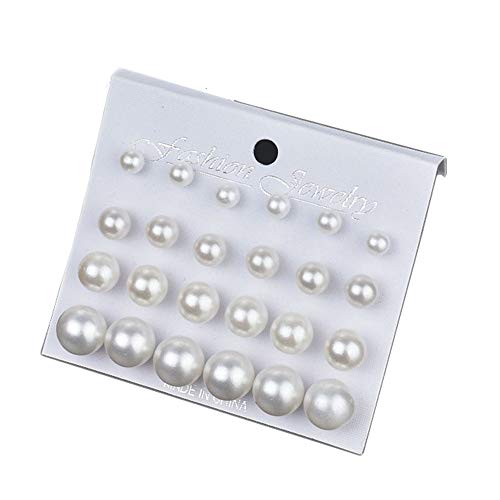


As an Amazon Associate we earn from qualifying purchases at no extra cost to you.
Pearl Earrings at a Glance
| Style | Best for | Typical stated details | Limits |
|---|---|---|---|
| Freshwater stud | Daily wear, first pair, gifts | Sellers usually list pearl diameter in millimetres and metal type | Luster and roundness vary widely at the budget tier |
| Akoya stud | Classic bright, rounder look | Makers such as Mikimoto describe Akoya as a saltwater cultured pearl | Costs more per millimetre; sizes tend to be smaller |
| Tahitian drop or stud | Darker, statement colours | Natural colour range from grey to green and peacock tones, per jewellers | Larger, heavier, more premium |
| South Sea stud | Largest, softest satin glow | Sold in larger diameters by premium jewellers | Premium tier; weight matters for comfort |
| Pearl drop or dangle | Evenings, weddings | Lists drop length and post or hook style | More movement, more snagging risk |
| Pearl hoop or huggie | Modern everyday look | Lists hoop diameter and closure type | Small pearls; closures need care |
Know the Four Main Pearl Types
Almost every pair sold today uses cultured pearls, which means a person seeds the oyster or mussel and the animal builds the nacre layers. The type tells you what to expect in size, colour and cost tier.
Freshwater
Freshwater cultured pearls are grown in mussels and are the most common choice for budget and mid-range earrings. Jewellers describe them as available in white, cream and pastel tones, in shapes from near-round to rice-like. Because supply is large, quality ranges from very dull to very bright, so look for sellers that state luster and surface grade rather than only listing a size.
Akoya
Akoya pearls come from saltwater oysters and are the traditional choice for formal strands and studs. Reviewers and jewellers commonly describe them as rounder with a sharper, mirror-like shine. They are typically smaller than South Sea pearls, so a pair of Akoya studs often sits in the mid-range to premium tier.
Tahitian
Tahitian pearls are grown in black-lipped oysters and are known for darker body colours with overtones. They suit anyone who finds white pearls too traditional.
South Sea
South Sea pearls, from white or gold-lipped oysters, are the largest commonly sold type and are usually priced at the premium tier. Jewellers describe their glow as softer and more satin-like than Akoya.
What Actually Determines Quality
Gemological labs and retailers generally judge pearls on the same handful of factors. Understanding them helps you compare listings that otherwise look alike.
- Luster: the depth and sharpness of reflection on the surface. High luster means you can see a crisp reflection of a window or lamp; low luster looks chalky.
- Surface quality: small spots, bumps or ridges are normal in natural pearls. Fewer visible marks usually mean a higher tier.
- Shape: round is the most prized, but near-round is hard to tell apart on a stud worn at ear level.
- Size: measured in millimetres across. Smaller pearls look delicate and office-friendly; larger ones read as statements.
- Matching: a pair should match in colour, size and luster. Mismatched pairs are a frequent complaint in reviews of low-cost sets.
- Nacre thickness: thick nacre lasts longer and keeps its shine. Sellers rarely state it for budget pairs, so a clear return policy is useful.
Metal, Posts and Backs
The setting often decides whether a pair is comfortable and safe for sensitive ears.
- Solid gold (for example 14k) posts are widely listed as suitable for people who react to other metals, though individual reactions vary.
- Sterling silver is common at the budget and mid-range tier and can tarnish over time, which is cosmetic and can be polished off.
- Gold-plated or vermeil pieces have a surface layer that can wear thin with daily use.
- Stainless steel and titanium posts are sometimes listed by makers as options for sensitive ears.
- Backs: push backs are easy but can loosen; screw backs and locking backs hold more securely for valuable pairs.
If you have a known metal allergy, check the full material list, avoid pieces that do not state the post metal, and talk to a doctor or dermatologist if irritation, redness or swelling persists.
Choosing by Budget Tier
Budget
Budget pearl earrings are usually freshwater pearls on sterling silver or plated posts. Expect smaller sizes and some variation in luster. They are a sensible first pair or a gift where the exact match of the pearls is less critical. Look for sellers that photograph the actual pearls and show them side by side.
Mid-range
Mid-range is where careful freshwater grades, entry-level Akoya and solid-gold posts overlap. Brands such as Blue Nile and Mejuri are often mentioned by reviewers in this space, along with many independent jewellers. You generally gain better matching, better luster descriptions and more secure backs.
Premium
Premium pairs include higher-grade Akoya, Tahitian and South Sea pearls on solid gold or platinum, often sold by established houses such as Mikimoto. At this level, ask for a written description of pearl type, size range and a return window, and consider an independent appraisal for insurance.
Size and Fit Notes
- Pearls of roughly 6 to 8 mm are commonly described by jewellers as a classic stud size for adult wear. Larger pearls feel more formal and weigh more on the lobe.
- Girls and teens are usually matched with smaller studs and secure backs. For young children, follow the seller’s age guidance, since small parts can be a choking hazard.
- Drop styles should be matched to neckline and hair: long drops suit pulled-back hair and open necklines.
- Piercings that are still healing should be fitted with the piercer’s recommended material, not decorative pearls, until a professional says it is fine.
Care: How to Keep Pearls Looking Good
Pearl is a soft organic gem, so jewellers consistently advise putting pearls on last after hair spray, perfume and makeup, and taking them off first at the end of the day. Wipe them with a soft, slightly damp cloth, let them dry, and store them separately from harder gems that can scratch them. Avoid ultrasonic cleaners, steam and household cleaners unless the maker says the piece is safe. Check the posts and backs occasionally and replace worn backs to avoid losing a pearl.
Pick X If You Want…
| Pick this | If you want… | Watch out for |
|---|---|---|
| Freshwater studs in sterling silver | An affordable everyday pair or first purchase | Uneven luster and matching; tarnish over time |
| Freshwater studs on solid gold posts | Better skin compatibility and a lasting setting | Pearl grade still varies; ask for details |
| Akoya studs | A bright, round, traditional look | Higher cost for smaller diameters |
| Tahitian studs or drops | A darker, distinctive colour | Natural colour variation between pearls |
| South Sea studs | A large pearl with a soft glow | Premium tier and weight |
| Pearl hoops or huggies | A contemporary, low-fuss style | Closure strength and small pearl size |
Alternatives Worth Considering
- Lab-made or simulated pearls: glass or coated beads cost less and have uniform shape, but they are not natural cultured pearls and the finish can wear off. Sellers should label them clearly.
- Keshi and baroque pearls: irregular shapes with a distinctive, organic look, often at a lower tier than round pearls.
- Pearl-and-diamond or pearl-and-gemstone studs: add sparkle for evening wear, with more metalwork to inspect.
Frequently Asked Questions
Are freshwater pearls good enough for everyday earrings?
Yes, for most wearers. Freshwater cultured pearls are widely used in everyday jewellery, and good ones keep their shine for years with sensible care. The main difference from Akoya is typically a less mirror-like surface and more shape variation at the budget tier.
What size pearl studs should I buy?
Jewellers commonly describe roughly 6 to 8 mm as a classic adult size. Choose smaller for a delicate or office look and larger for a more noticeable one. Remember that larger pearls are heavier and can feel more prominent on small ears.
How can I tell real cultured pearls from imitations?
Sellers should state the pearl type clearly. Many jewellers suggest a gentle rub against the edge of a tooth: real pearls feel slightly gritty while imitations feel smooth, though this is not a lab test. For valuable pairs, an independent gemologist can confirm.
Are pearl earrings safe for sensitive ears?
The pearl itself rarely causes trouble; the post metal usually does. Solid gold, titanium or surgical-grade materials are often listed by makers for sensitive ears, but reactions differ. Stop wearing a pair if you notice redness or swelling, and see a doctor if it does not settle.
How do I clean pearl earrings?
Wipe them with a soft, damp cloth after wearing and let them air dry. Avoid harsh chemicals, ultrasonic cleaners and abrasive cloths. Follow the maker’s care instructions where provided.
Which pearl type lasts the longest?
Durability depends mainly on nacre thickness and how you care for them rather than on the type alone. All pearls are soft compared with diamonds or sapphires, so keep them away from perfume, sweat and rough storage. Thicker nacre generally holds its luster better over time.
FAQ
Are freshwater pearls good enough for everyday earrings?
What size pearl studs should I buy?
How can I tell real cultured pearls from imitations?
Are pearl earrings safe for sensitive ears?
How do I clean pearl earrings?
Which pearl type lasts the longest?
More from Amazon
Programs that pair well with the guide above. Offers and eligibility are set by Amazon and may change.
Free shipping on eligible items, Prime Video and more. Eligible new members can start with a free trial.
Start a Prime free trialAudiobooks and podcasts to listen to on the go. Eligible new members can start with a free trial.
Try Audible freeAd-free music streaming. Eligible new subscribers can start with a free trial.
Try Music Unlimited freeA free business account with business pricing and bulk-buying tools for work, shop or home office.
Create a business accountAs an Amazon Associate we earn from qualifying purchases.