Key takeaways
- Focal Sphear review covering the 10.8mm Mylar driver, 16 ohm design, fit, controls and sound character to help wired in-ear buyers decide with confidence.
The Focal Sphear is a wired, closed-back in-ear headphone from the French audio maker Focal, a company better known for loudspeakers and full-size headphones. The Sphear brought that speaker heritage down to pocket size, using an unusually large 10.8mm Mylar electrodynamic driver for an in-ear design, a bass reflex housing, and a fit shaped to suit a wide range of ear shapes and sizes. It was positioned as a high-resolution portable option for listeners who wanted a fuller, more natural presentation than typical small earbuds of its era, without moving up to an over-ear headphone.
That positioning still frames how the Sphear should be judged today. This is a wired-only, passive in-ear headphone with an omnidirectional microphone and a universal in-line remote for music and calls. It has no Bluetooth, no active noise cancellation, no app, and no battery to charge. Its appeal rests on three things: the large driver and its low-end extension, the choice of silicone and memory foam tips for isolation and comfort, and a simple plug-and-play connection that works with phones, tablets, computers, and portable players that offer a standard headphone output. Readers considering a used pair, a remaining-stock pair, or a comparison against newer wired in-ears will find the full specification picture below.
As an Amazon Associate, we earn from qualifying purchases.
Quick Verdict
The Focal Sphear suits listeners who prefer wired listening, a warm and full low end, and a choice of silicone or memory foam tips in a lightweight 15 gram design. Its 16 ohm impedance and 103 decibel sensitivity make it easy to drive from portable devices. Buyers who need Bluetooth, active noise cancellation, or a currently stocked model with broad retail support should look at newer alternatives instead.
Key Specs
| Specification | Detail |
|---|---|
| Type | Closed-back intra-aural in-ear headphone |
| Driver | 10.8mm Mylar electrodynamic driver |
| Design | Bass reflex housing |
| Impedance | 16 ohms |
| Sensitivity | 103 decibels SPL at 1 milliwatt and 1 kilohertz |
| Total harmonic distortion | Less than 0.3 percent at 1 milliwatt, 50 hertz to 10 kilohertz |
| Frequency response | 20 hertz to 20 kilohertz |
| Microphone | Omnidirectional, in-line |
| Controls | Universal in-line remote for music and phone calls |
| Weight | 15 grams, about 0.030 pounds |
| Included tips | Silicone tips in small, medium, and large, plus memory foam tips in small, medium, and large |
| Included accessories | Carrying case and aircraft adapter |
| Connectivity | Wired only, no Bluetooth and no active noise cancellation |
Design and Setup
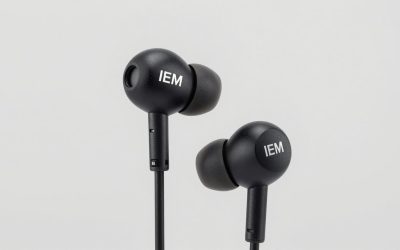
The Sphear uses a closed-back intra-aural design, meaning each earpiece sits inside the ear and seals against the ear canal rather than resting loosely at the entrance. That seal matters for two reasons. First, it provides passive noise isolation, reducing outside sound by physical blocking rather than by electronic processing. Second, it supports the bass response, because a consistent seal helps a small driver maintain low-frequency output. Focal paired the housing with a high-gloss finish and a rounded shape intended to suit different ear shapes, and the overall weight is listed at just 15 grams, which keeps the earpieces themselves from feeling heavy during longer sessions.
Tip choice is central to the design. The package includes three pairs of silicone tips and three pairs of memory foam tips, each set in small, medium, and large. Silicone tips are generally quicker to insert, easier to wipe clean, and more durable over repeated use. Memory foam tips compress before insertion and then expand to fill the ear canal, which can improve the seal and isolation for ears that silicone tips do not fit evenly. Having both materials in three sizes gives a buyer a realistic chance of finding a stable fit without buying extra accessories, and fit is not a minor detail here: a poor seal on any in-ear headphone reduces bass, thins the sound, and lets in more outside noise, while a good seal does the opposite.
Setup is as simple as wired audio gets. There is no pairing step, no firmware, no charging, and no companion app to install. The listener selects a tip size and material, seats each earpiece with a gentle push and slight rotation until the seal feels even on both sides, and connects the plug to a phone, tablet, computer, portable player, or aircraft entertainment system using the supplied aircraft adapter. The in-line remote handles basic music control and call answering, and the omnidirectional microphone picks up voice for phone calls without needing to hold a device close to the mouth. Because the Sphear is passive, it also keeps working when a wireless headphone would have stopped for a recharge, and it introduces no Bluetooth connection step when switching between a laptop and a tablet during a workday.
The carrying case also matters, because cables tangle and tips detach easily in pockets and bags. A case that holds the earpieces, cable, and spare tips in one place protects the headphone and makes it easier to travel with, covering most situations a commuter or frequent flyer will meet.
Features and Performance
The headline specification is the driver. At 10.8mm, the Mylar electrodynamic driver is large for an in-ear headphone, and Focal presented that size as a way to extend low-frequency response while keeping an overall tonal balance rather than a bass-only presentation. On paper, the rated frequency response runs from 20 hertz to 20 kilohertz, covering the full standard range of human hearing. A larger moving surface can shift more air at low frequencies, which is why the Sphear was described by its maker as offering a rich and natural sound with an extended low end. Listeners who favor acoustic music, vocal recordings, podcasts with full-voiced presenters, and film soundtracks are the natural audience for that kind of tuning, where weight in the lower registers adds presence without needing electronic bass boost.
The electrical specifications make the Sphear easy to pair with everyday sources. An impedance of 16 ohms is low, and a sensitivity of 103 decibels at 1 milliwatt is comparatively high, so phones, tablets, laptops, and portable players can drive the Sphear to comfortable listening levels without a separate headphone amplifier. That matters for a portable product: a buyer does not need to budget for extra hardware or carry a second device to get the intended performance. Total harmonic distortion is rated at less than 0.3 percent across the 50 hertz to 10 kilohertz range at 1 milliwatt, a figure that points to clean reproduction at normal listening levels on specification alone.
Sound character, judged from the specification and design rather than from any listening claim, follows from those choices. A closed-back housing with a bass reflex approach and a large driver points toward a fuller low end than a small, open earbud design, while the Mylar driver material and the stated goal of tonal balance point away from a sharply boosted treble presentation. Memory foam tips can reinforce that character by improving the seal, which listeners often perceive as stronger and more consistent bass. Silicone tips, by contrast, can feel a little more open and are faster to fit when the headphones are going in and out of the ears many times a day, such as during office work or errands. Neither tip choice changes the driver, but the seal each listener achieves will shape what reaches the ear more than any single number on the specification sheet.
For calls and everyday control, the specification is deliberately basic. The omnidirectional microphone is suited to phone calls in reasonably quiet surroundings, such as a home office, a quiet street, or a parked car. An omnidirectional pickup hears sound from all directions, so it is not the right tool for clear calls in a loud train station or a windy street, where a directional microphone or a modern processing system in a wireless earbud would cope better. The universal remote covers the essentials of play, pause, and call handling without a screen or an app, which keeps the Sphear simple but also limits customization: there is no equalizer to adjust, no transparency mode to enable, and no firmware update path to add features later.
Durability expectations should be set by the format rather than by any special claim. The Sphear is a wired in-ear headphone with a fixed cable arrangement typical of its generation, so careful cable handling and consistent use of the carrying case are the main protections against wear. There is no stated water resistance rating in the manufacturer specification used for this review, so the Sphear should not be treated as a workout headphone for heavy rain or intense training sessions where sweat exposure is constant. For commuting, desk listening, travel, and relaxed home use, that limitation is easier to accept, because those settings reward sound quality, isolation from a good seal, and zero charging routine more than they reward weather sealing.
Availability is the most important performance caveat of all, and it is addressed directly in the reference table at the end of this review. The Sphear is an older model that has been discontinued in many markets, and no current Amazon US listing with a confirmed available offer could be verified for this review. That does not change the specification picture, but it changes the buying advice: any remaining pair should be checked carefully for condition, completeness of the tip sets and accessories, and a working remote and microphone before purchase, especially when the pair is used or sold as remaining stock through a smaller seller.
Who It’s For / Who Should Skip
The Sphear is for listeners who still prefer a wired connection and value the reliability that comes with it. Frequent travelers who want a lightweight in-ear headphone that works with an aircraft adapter, never needs charging, and packs into a small case will understand the appeal immediately. So will desk listeners who move between a computer and a phone during the day and do not want to manage Bluetooth pairing, listeners who find memory foam tips more comfortable than silicone alone, and buyers who like the idea of a large-driver, full-sounding presentation from a respected speaker brand in a pocketable form. The low impedance also suits listeners whose only source is a phone or a laptop, because no amplifier purchase is needed to use the Sphear as intended.
The Sphear also works well as part of a small wired collection: a backup when wireless batteries run flat, a low-latency option for video and calls on a computer, and a simple spare set for a travel bag or desk drawer.
Several buyers should skip the Sphear. Anyone who wants true wireless freedom for training, commuting with frequent movement, or hands-free use around the house should choose a current Bluetooth model instead. Anyone who needs active noise cancellation for regular flights or a loud open office should also look elsewhere, because the Sphear relies only on the passive isolation of its seal. Listeners who want an app-based equalizer, adjustable listening modes, wireless multipoint connection, or a stated water resistance rating will not find those features here. Finally, buyers who want a brand-new, widely stocked model with straightforward warranty support should be cautious about an older, discontinued line: if a current, supported product matters more than the specific Sphear design, a newer wired or wireless in-ear model is the safer purchase.
How the Sphear Compares With Alternatives
Compared in general terms, the Sphear sits in an interesting middle position. Against basic wired earbuds bundled with phones or sold as inexpensive spares, it offers a larger driver, a choice of two tip materials in three sizes, a carrying case, and an aircraft adapter, all of which point to a more considered design for dedicated listening. Against modern true wireless earbuds, it gives up Bluetooth, active noise cancellation, transparency listening, touch controls, charging cases, and water resistance ratings, while gaining a connection that never needs charging and never drops out. Neither side of that trade is automatically better; the right answer depends on whether the listener values simplicity and wired reliability or convenience and electronic features.
Against newer wired in-ear models from specialist brands, the Sphear specification remains respectable on driver size, impedance, and sensitivity, but newer rivals may offer detachable cables, which extend a product’s life because a damaged cable can be replaced. Against over-ear headphones, the Sphear is far smaller and easier to carry, but it cannot match the sense of space or the comfort of a full-size headphone over very long desk sessions. In short, the Sphear competes on sound-focused simplicity rather than on features, so a buyer should weigh the seal and tip selection first, then the wired connection, then the discontinued status and the condition of any available pair.
FAQ
Is the Focal Sphear a wireless headphone?
No. The original Sphear covered in this review is a wired in-ear headphone with an in-line remote and an omnidirectional microphone. It has no Bluetooth, no battery, and no charging case. Focal later sold a separate wireless model under a similar name, so buyers should confirm exactly which version a listing describes before purchasing, especially when shopping for remaining stock or a used pair.
Does the Focal Sphear need a headphone amplifier?
No separate amplifier is required for normal use. The Sphear is rated at 16 ohms impedance with a sensitivity of 103 decibels at 1 milliwatt, a combination that phones, tablets, laptops, and portable music players can drive to comfortable listening levels. A quality source with a clean headphone output is enough to use the Sphear as its specification intends, without extra hardware in the chain.
Which ear tips come with the Focal Sphear?
The Sphear is supplied with silicone tips in small, medium, and large, and with memory foam tips in the same three sizes. Silicone tips are quicker to fit and easier to clean, while memory foam tips expand in the ear canal and can provide a stronger seal and better passive isolation. Trying both materials is worthwhile, because the quality of the seal has a direct effect on bass response and outside noise reduction.
Is the Focal Sphear still sold on Amazon US?
No current Amazon US listing with a confirmed available offer could be verified for this review, and the model has been discontinued in many markets. The reference table below therefore records the Sphear as not sold on Amazon US rather than attaching an unverified listing. Buyers who find a pair through another channel should check the condition, the completeness of the tips, case, and aircraft adapter, and the working state of the remote and microphone before buying.
Final Verdict
The Focal Sphear remains a well-specified example of what a sound-first wired in-ear headphone looked like at its best: a large 10.8mm Mylar driver, an easy 16 ohm load, a thoughtful choice of silicone and memory foam tips, passive isolation from a closed-back seal, and a small kit of genuinely useful travel accessories, all in a 15 gram design that asks nothing of the listener beyond plugging it in. For a listener who values that simplicity and finds a complete pair in good condition, the Sphear still makes a coherent case as a travel, desk, and everyday wired option.
The verdict comes with an equally clear condition. This is an older, discontinued model with no Bluetooth, no active noise cancellation, no stated water resistance rating, and no verified current Amazon US availability, so it should be bought knowingly rather than by default. Buyers who need modern wireless features or current retail support should choose a newer model. Buyers who want wired reliability, a full low end from a large driver, and a fit they can tune with two tip materials will understand exactly why the Sphear earned its following, and why it is still worth a careful look when a good pair turns up.
Product and ASIN Reference
| Product | ASIN |
|---|---|
| Focal Sphear In-Ear Headphones | Not sold on Amazon US |
FAQ
Is the Focal Sphear a wireless headphone?
Does the Focal Sphear need a headphone amplifier?
Which ear tips come with the Focal Sphear?
Is the Focal Sphear still sold on Amazon US?
More from Amazon
Programs that pair well with the guide above. Offers and eligibility are set by Amazon and may change.
Free shipping on eligible items, Prime Video and more. Eligible new members can start with a free trial.
Start a Prime free trialAudiobooks and podcasts to listen to on the go. Eligible new members can start with a free trial.
Try Audible freeAd-free music streaming. Eligible new subscribers can start with a free trial.
Try Music Unlimited freeA free business account with business pricing and bulk-buying tools for work, shop or home office.
Create a business accountAs an Amazon Associate we earn from qualifying purchases.