Key takeaways
Home security installation guide readers want to know if they can set the system up themselves and do it right, so this home security installation guide walks the decisions and names six systems. Below you will learn when DIY beats a pro, and how to place and test it all so it truly protects you well.
Our top picks


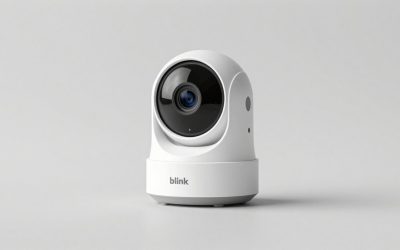
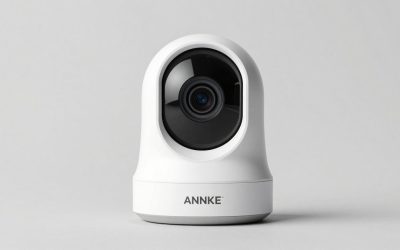
 Ring Indoor Cam
Color Night Vision keeps footage clear after dark
Manual privacy cover physically blocks the camera and mic
Flexible swivel mount adapts to tabletop or high placement
Plug-in design needs a nearby power outlet
Advanced features like rewatching footage need a separate Ring Protect subscription

As an Amazon Associate we earn from qualifying purchases at no extra cost to you.
As an Amazon Associate we earn from qualifying purchases.
By Daniel Foster
DIY Or Professional, And Why It Matters
Most modern systems are designed for DIY, but wiring, home size, and your comfort with tools decide whether that is the right call. Working through the DIY-versus-pro choice, the wired-versus-wireless split, and a testing plan keeps a home security installation guide focused on a setup that works, not one that looks installed but leaves gaps.
Installation Decision Numbers
The deciding factors are DIY versus professional install, wired versus wireless equipment, the tools and time required, renter constraints like no drilling, and a testing plan to confirm coverage. Wireless, no-drill kits favor DIY and renters, while wired systems and large homes may justify professional help.
Then weigh whether you want monitoring, since self-monitored kits need no dispatch setup while professional monitoring adds a service to configure. Confirm the system deregisters and re-registers if you move, and that it supports a cellular backup so alerts survive an internet or power cut.
Check what each install actually involves, from peeling adhesive sensors to running cable and mounting a hub, and match it to your skills and time. A system you can install and test in an afternoon suits most homes, while complex wired coverage is where professional help earns its cost. For most wireless kits, a careful afternoon is all a confident DIYer needs to finish the job.
Placement, Space, And Fit
Plan coverage before mounting anything: contact sensors on doors and accessible windows, a motion sensor in a room corner about 7 ft (2.1 m) high across walk paths, cameras at entries, and the hub central on strong signal. Placement, not the number of devices, decides whether the system truly covers your home.
For wireless kits, confirm each sensor is within hub range through walls and floors, and clean surfaces so adhesive holds. Wired systems need cable runs measured in advance and a spot for any recorder, so plan routes before drilling and confirm voltage and connectors on any hardwired swap.
Renters should favor adhesive, no-drill sensors that peel off cleanly and a portable hub, avoiding permanent changes. Cover the entries and blind spots that matter first, keep keypads accessible, and place cameras where Wi-Fi is strong so the install holds up in daily use. Cleaning each surface before mounting is what keeps adhesive sensors from peeling weeks later.
Tools, Testing, And Common Mistakes
DIY installs need only basic tools for most wireless kits, a screwdriver, level, and drill for optional mounts, while wired setups add cable, connectors, and more time. Read the instructions fully first, since the most common mistakes come from skipping steps or mounting before planning coverage.
Testing is the step people skip and regret: after install, trigger every sensor, walk-test motion detectors, check camera angles day and night, and confirm alerts reach your phone. Re-test after any change, since a sensor that drifts out of alignment or a camera aimed at a wall protects nothing.
Common mistakes include weak Wi-Fi at outdoor cameras, sensors on dusty surfaces that peel, motion detectors aimed at heat sources, and no cellular backup. Fix these at install rather than discovering them during an emergency, and document where everything is so maintenance and battery changes are simple later. The right home security installation guide treats testing as the step that proves the work.
Six Install-Friendly Systems
These six span no-drill DIY kits, budget systems, and integration-friendly platforms, plus when to consider professional install, so this home security installation guide fits any skill level. Each entry names a real drawback, because the easiest system to install is not always the one with the coverage or monitoring you need. This home security installation guide fits any level, from no-drill kits to a full professional install.
| System | Install | Monitoring | Best for |
|---|---|---|---|
| SimpliSafe | No-drill DIY | Self or pro | Easiest setup |
| Ring Alarm | DIY | Self or pro | Alexa homes |
| eufy | No-drill DIY | Self, no fee | Skip fees |
| Wyze | DIY | Low-cost | Budget setup |
| Abode | DIY | Self or on-demand pro | Integrations |
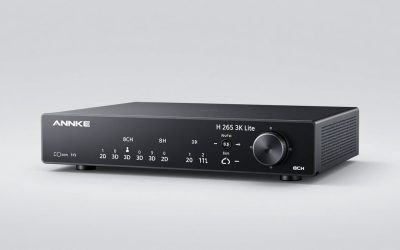
| Wired NVR / pro install | Professional | Local | Whole-home wired |
SimpliSafe For The Easiest Setup
SimpliSafe’s wireless, no-drill sensors and plug-in hub make it one of the easiest systems to install in an afternoon, peeling off cleanly when you move. Self-monitoring is free and professional dispatch is optional with no contract, so setup and service both stay simple.
The drawback is that the best experience, including dispatch and full history, leans on a subscription, and component costs grow with coverage. Price the exact sensors you need, and choose a tier with cellular backup if you want alerts to survive an outage.
For a beginner-friendly DIY install, SimpliSafe is hard to beat in this guide. Plan coverage first, stick sensors on clean surfaces, test every device, and add dispatch only if you want responders, keeping the whole setup renter-friendly and portable. For renters especially, the no-drill approach makes moving out as painless as setting up.
Ring Alarm For Alexa Homes
Ring Alarm installs easily with contact and motion sensors and a hub that arms by app or routine, integrating tightly with Alexa and Ring cameras. For a household already on Ring, adding the alarm is straightforward and unified with existing devices.
The drawback is ecosystem lock-in, fees for recorded video and dispatch, and Ring’s data policies. Cloud reliance means confirming outage behavior, though cellular backup is available on the monitored tier for alerts during an internet cut.
For Alexa homes, Ring Alarm is an easy DIY install in this guide. Mount sensors on clean surfaces, test arming and alerts, and budget for any plan, treating voice and cloud convenience as extras over a system that still works with the keypad. For an Alexa home, arming by routine is convenient, but the keypad remains the reliable fallback.
eufy For Skipping Fees
eufy’s wireless cameras and sensors install without drilling and lean on local storage and free self-monitoring, so setup avoids both tools and subscriptions. On-device detection trims false alerts, and the gear travels easily to a new home.
The drawback is that professional dispatch is not the focus, and some features involve cloud services. Without dispatch, you rely on yourself or a neighbor to act on alerts, which suits self-reliant households more than those wanting responders.
For fee-free DIY, eufy fits this guide well. Mount sensors and cameras on clean surfaces, keep footage local to skip fees, place battery cameras where recharging is practical, and test everything, adding a wired unit at busy entries for reliability. Keeping footage on the hub sidesteps fees while the gear travels easily to a new address.
Wyze For A Budget Setup
Wyze offers a low-cost monitored kit and cheap cameras that install easily, making a budget DIY setup accessible. For a first system on a tight budget, it covers arm, alert, and optional monitoring affordably with simple placement.
Compromises include slower app response, fewer integrations, and reliance on Wyze’s cloud reliability. It is a value setup rather than a polished flagship, so temper expectations and confirm how alerts behave during an outage before depending on it.
As the budget install in this guide, Wyze gets you protected cheaply. Plan coverage, mount devices on clean surfaces, test every sensor and camera, and step up to a system with cellular backup and dispatch if reliability becomes a priority later. As a first system on a budget, it protects the essentials while you learn what you need.
Abode For Integrations
Abode installs as a DIY kit while supporting a wide range of sensors and smart-home standards, appealing to those who want security woven into automations. Self-monitoring and on-demand professional dispatch add flexibility for travel or specific needs.
The drawback is a steeper learning curve than the simplest kits, and some features sit behind plans. Building and tuning the right setup takes more effort, so budget time to configure sensors and test routines before relying on them.
For integration-minded DIYers, Abode rewards the work in this guide. Plan coverage, install and name each sensor, test automations and alerts, and add cellular backup so a network hiccup does not disable both the automations and the alarm. Building in a cellular backup keeps both the automations and the alarm alive through an outage.
Wired NVR Or Professional Install For Whole-Home Wired
When you want continuous wired camera coverage or a large, complex home fully protected, a wired NVR system or professional install is worth considering. Professionals handle cable runs, mounting, and configuration, delivering robust coverage without the DIY learning curve.
The drawback is higher cost and less flexibility to change things yourself later, plus scheduling and access for the installer. For renters or simple homes it is overkill, but for owners wanting whole-home wired reliability, the professional route saves effort and mistakes.
For complex wired coverage, professional install closes this guide’s range. Get quotes, confirm the equipment records locally and fee-free where possible, and plan camera placement with the installer so the finished system covers every entry and blind spot you care about. For a complex home, letting a professional plan the runs avoids the most common install mistakes.
See More:
- Best eyeshadow blender brush
- Best frozen foods for air fryer
- Best frozen food for air fryer
- Best way to reheat steak in air fryer
- Best air fryer recipes book
Finishing Your Installation The Right Way
The best path in this home security installation guide depends on you: no-drill DIY kits from SimpliSafe, eufy, or Wyze suit most homes and renters, Ring and Abode add ecosystem and integrations, and a wired NVR or pro install fits complex whole-home coverage. Match the install to your skills, home, and monitoring needs.
Plan coverage before mounting, place sensors and cameras where they actually protect, add cellular backup, and test everything day and night before you trust it. Because people install most around moving season and after a scare, timing varies, but the goal this home security installation guide serves is a system that is not just installed, but proven to work. A tested system you trust beats an impressive one you never actually verified after install.