Key takeaways
Ring vs SimpliSafe is one of the most common home security match-ups, since both offer wireless DIY systems with optional monitoring, so this Ring vs SimpliSafe comparison weighs what actually differs. Below you will see how they compare on monitoring, fees, ecosystem, and easy DIY install right now.
Our top picks


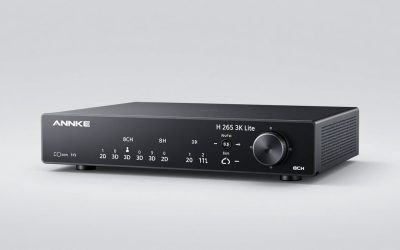
 SimpliSafe 8 Piece Wireless Home Security System
- Power Source: Battery Powered
- Compatible Devices: Smartphone
- Video Capture Resolution: 720p
No contract required for the base security system
Motion sensors work well with pets under 60 pounds
App lets you arm and disarm from anywhere
Camera resolution is limited to 720p
Panic button's police dispatch requires a monitoring subscription


As an Amazon Associate we earn from qualifying purchases at no extra cost to you.
As an Amazon Associate we earn from qualifying purchases.
By Daniel Foster
How These Two Systems Differ
Both are wireless and DIY, but they diverge on ecosystem and video: Ring leans into Alexa and a broad camera lineup, while SimpliSafe focuses on the alarm and no-contract monitoring. Sorting monitoring, fees, ecosystem, and install first keeps a Ring vs SimpliSafe decision grounded in how you actually live rather than brand loyalty.
Ring And SimpliSafe Decision Numbers
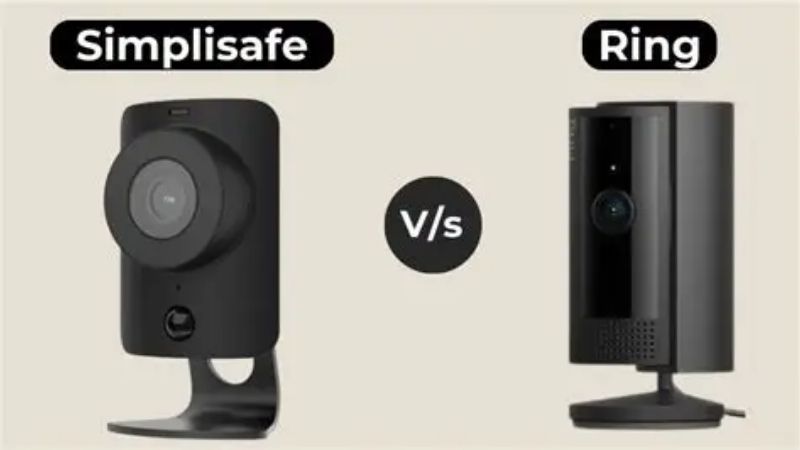
The deciding factors are the monitoring model (both offer free self-monitoring and optional no-contract professional dispatch), the fees for recorded video and monitoring, the ecosystem breadth, the install (both are wireless DIY), and cellular backup on monitored tiers. Both cover the basics; the differences are ecosystem and video.
Ring’s strength is tight Alexa integration and a wide range of cameras and doorbells, while SimpliSafe’s is a focused alarm with straightforward, no-contract monitoring and less ecosystem lock-in. Decide whether you want a camera-rich Alexa ecosystem or a cleaner alarm-first system with flexible dispatch.
Confirm how each behaves offline, since both lean on the cloud for some features while the alarm and keypad work locally, and both offer cellular backup on paid tiers. Weigh Ring’s data policies and ecosystem against SimpliSafe’s simpler, more privacy-neutral, alarm-centric approach. Sorting these differences first prevents a choice driven by brand loyalty rather than by fit.
Placement, Space, And Fit
Both use wireless, no-drill sensors, so plan coverage the same way: contacts on doors and accessible windows, motion in a room corner about 7 ft (2.1 m) high, and the hub central on strong signal. Placement matters more than brand, so cover real entries and blind spots first with either system.
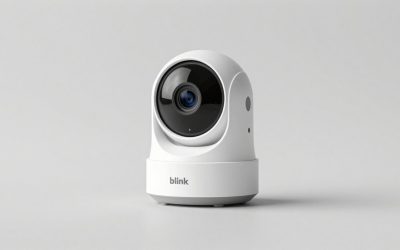
For cameras, Ring’s lineup gives more placement options across doorbells and outdoor units, while SimpliSafe’s cameras are fewer but integrate with its alarm. Confirm Wi-Fi reaches each camera, and for either brand favor wired power at busy entries to avoid frequent battery recharging.
Both are renter-friendly and portable, deregistering and re-registering at a new address. Keep keypads accessible, mount sensors on clean surfaces so adhesive holds, and test coverage after install, since either system only protects the entries you actually cover well. Placing sensors on clean surfaces and testing each one is what makes either system dependable.
Fees, Ecosystem, And Monitoring
Both offer free self-monitoring for phone alerts and optional professional dispatch without a contract, so neither traps you in a long agreement. Recorded video needs a plan on both, so tally the subscription across cameras, since fees, not hardware, drive the long-term cost either way.
Ecosystem is where they split: Ring ties into Alexa and a broad device range, appealing if you want voice control and many cameras, while SimpliSafe stays focused and less locked-in. If you value a camera-rich Alexa home, Ring leans ahead; if you want a clean alarm, SimpliSafe does. Either way, both avoid long contracts, which keeps the cost of switching later reassuringly low.
Monitoring quality on both is capable, with cellular backup on paid tiers keeping alerts alive during outages. Weigh Ring’s data and law-enforcement policies, which some buyers scrutinize, against SimpliSafe’s simpler posture, and choose the dispatch flexibility and privacy stance that fit you. Weighing the ongoing subscription heavily is wise, since fees outlast the hardware on both.
Six Picks Across Both And Beyond
These six span both brands’ core kits and cameras plus two alternatives, so this Ring vs SimpliSafe guide helps you land on a fit rather than just a winner. Each entry names a real drawback, because the better system depends on whether you want an Alexa camera ecosystem or a focused, flexible alarm. This Ring vs SimpliSafe guide lands you on a fit, not just a winner, across both brands here.
| Pick | Strength | Monitoring | Best for |
|---|---|---|---|
| SimpliSafe kit | Focused alarm | No-contract pro | Flexible dispatch |
| Ring Alarm | Alexa ecosystem | No-contract pro | Voice + cameras |
| Ring cameras/doorbell | Video lineup | Cloud plan | Camera-rich homes |
| SimpliSafe cameras | Alarm integration | Optional plan | Unified system |
| eufy (alternative) | Local, no fee | Self, no fee | Skip fees |
| Abode (alternative) | Integrations | Flexible | Smart-home fans |
SimpliSafe Kit For Flexible Dispatch
The SimpliSafe kit centers a focused alarm with wireless sensors, free self-monitoring, and optional no-contract professional dispatch plus cellular backup on paid tiers. For buyers who want a clean, alarm-first system with flexible monitoring, it is the heart of the SimpliSafe case.
The drawback is fewer cameras and less ecosystem breadth than Ring, and the best features lean on a plan. Component costs grow with coverage, so price the sensors you need, and confirm which functions stay free if you self-monitor. The no-contract dispatch is the real appeal for anyone who dislikes being tied to an agreement.
In this Ring vs SimpliSafe match-up, the SimpliSafe kit wins for flexible, low-lock-in dispatch. Plan coverage, install without tools, add dispatch only when you want it, and lean on the keypad and cellular backup for reliable operation during outages. For a clean, low-lock-in alarm, the SimpliSafe kit is the natural heart of its case here.
Ring Alarm For Voice And Cameras
Ring Alarm pairs the alarm with tight Alexa integration and Ring’s broad camera lineup, letting you arm by voice and unify cameras, doorbell, and alarm in one app. For an Alexa household wanting a camera-rich system, it is the core of the Ring case.
The drawback is ecosystem lock-in, fees for recorded video and dispatch, and Ring’s data policies. Cloud reliance means confirming outage behavior, though cellular backup covers the alarm on the monitored tier.
In this comparison, Ring Alarm wins for voice control and camera breadth. Budget for plans across cameras and monitoring, confirm Wi-Fi at each device, and treat the ecosystem convenience as the trade for more fees and lock-in than SimpliSafe. For voice control and camera breadth, Ring Alarm is where its ecosystem advantage shows most.
Ring Cameras And Doorbell For Camera-Rich Homes
Ring’s cameras and doorbells are a major draw, offering many models, tight Alexa integration, and a coordinated app for homes that want extensive video coverage. For camera-first buyers, the lineup breadth is Ring’s clearest advantage over SimpliSafe.
The drawback is that recorded video needs a Ring Protect plan, so fees scale with cameras, and data policies warrant review. Battery models need recharging, so wire busy entries, and confirm Wi-Fi reaches each camera for reliable clips.
For camera-rich homes, Ring’s video lineup is the reason many choose it in this match-up. Budget the subscription across every camera, place units where Wi-Fi is strong, and weigh the ongoing cost against SimpliSafe’s leaner, more alarm-focused approach. For camera-first homes, the lineup breadth is the clearest reason to lean Ring in this match-up.
SimpliSafe Cameras For A Unified System
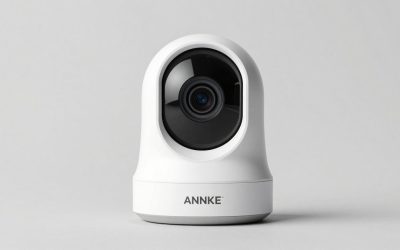
SimpliSafe’s cameras integrate with its alarm so motion or an entry event can tie to recording, keeping everything in one focused system. For buyers who want cameras that complement the alarm rather than a sprawling lineup, the integration is clean.
The drawback is a smaller camera range than Ring and reliance on a plan for the best video features. Confirm which recording features are free, and place cameras where Wi-Fi is strong, wiring busy entries to avoid frequent recharging.
For a unified alarm-and-camera system, SimpliSafe’s cameras suit this guide’s focused buyer. Integrate them with the alarm, confirm the plan features you need, and accept fewer model choices as the trade for a cleaner, less cluttered system than Ring’s. For a tidy, unified system, SimpliSafe’s cameras suit buyers who dislike a sprawling lineup.
eufy For Skipping Fees (Alternative)
As an alternative to both, eufy leans on local storage and free self-monitoring with no required subscription, appealing if fees are your main objection to Ring or SimpliSafe. On-device detection trims false alerts, and clips live on a hub rather than a server.
The drawback is that professional dispatch is not the focus, so anyone wanting responders should look to the monitored brands. Some features involve cloud services, so confirm which stay free before assuming the no-fee tier covers everything.
For fee-averse buyers, eufy is the strongest alternative in this comparison. Keep footage local to skip fees, pair with a wired camera at busy entries, and consider a monitored system instead if professional response matters more than avoiding a subscription. For fee-averse buyers, eufy is the alternative that sidesteps the plan question entirely.
Abode For Smart-Home Fans (Alternative)
Abode is a flexible alternative supporting many sensors and smart-home standards, with self-monitoring and on-demand professional dispatch, appealing to those who want deep integration beyond either Ring or SimpliSafe. Its openness suits custom, automation-heavy setups.
The drawback is a steeper learning curve and some features behind plans, so building the right setup takes effort. Confirm which integrations you need are supported, and budget setup time to configure and test everything before relying on it. A quick test of every automation is what turns a flexible platform into a dependable one.
For smart-home fans, Abode is a capable alternative in this guide. Map your coverage and automations, add cellular backup, and test routines, choosing it over Ring or SimpliSafe when integration breadth matters more than a turnkey, single-brand experience. For automation fans, Abode rewards the extra setup with deeper cross-brand integration.
See More:
- Best eyeshadow blender brush
- Best frozen foods for air fryer
- Best frozen food for air fryer
- Best way to reheat steak in air fryer
- Best air fryer recipes book
Which Should You Choose?
The Ring vs SimpliSafe answer depends on priorities: choose Ring for tight Alexa integration and a camera-rich ecosystem, and SimpliSafe for a focused, flexible alarm with no-contract dispatch and less lock-in. Both offer free self-monitoring, optional dispatch, and cellular backup, so neither traps you in a contract. Both keep you flexible, so the real decision is ecosystem breadth versus a focused alarm.
If fees are your concern, eufy skips them; if integration is, Abode goes deeper. Because subscription fatigue and no-contract monitoring drive many of these decisions now, weigh the ongoing cost heavily, but the goal of this Ring vs SimpliSafe comparison is the system whose ecosystem, fees, and monitoring fit how you actually live. Weigh the fees over several years, since that ongoing cost usually outweighs the hardware gap.